From the Valley to the clouds: Star Valley woman among the top Navy fighter pilots

Like a lot of people growing up, Rebecca Ryan loved the movie “Top Gun” as a kid. According to the Star Valley graduate, she wore out the VHS tape of the Tom Cruise jet fighter epic. But the wearing out of the tapes was more of a byproduct of her dream rather than an inspiration for it.
“Being a Navy fighter pilot is something I’ve wanted to do since I was seven years old,” she told SVI. “I had the movie all memorized but that’s not the reality of what we do.”
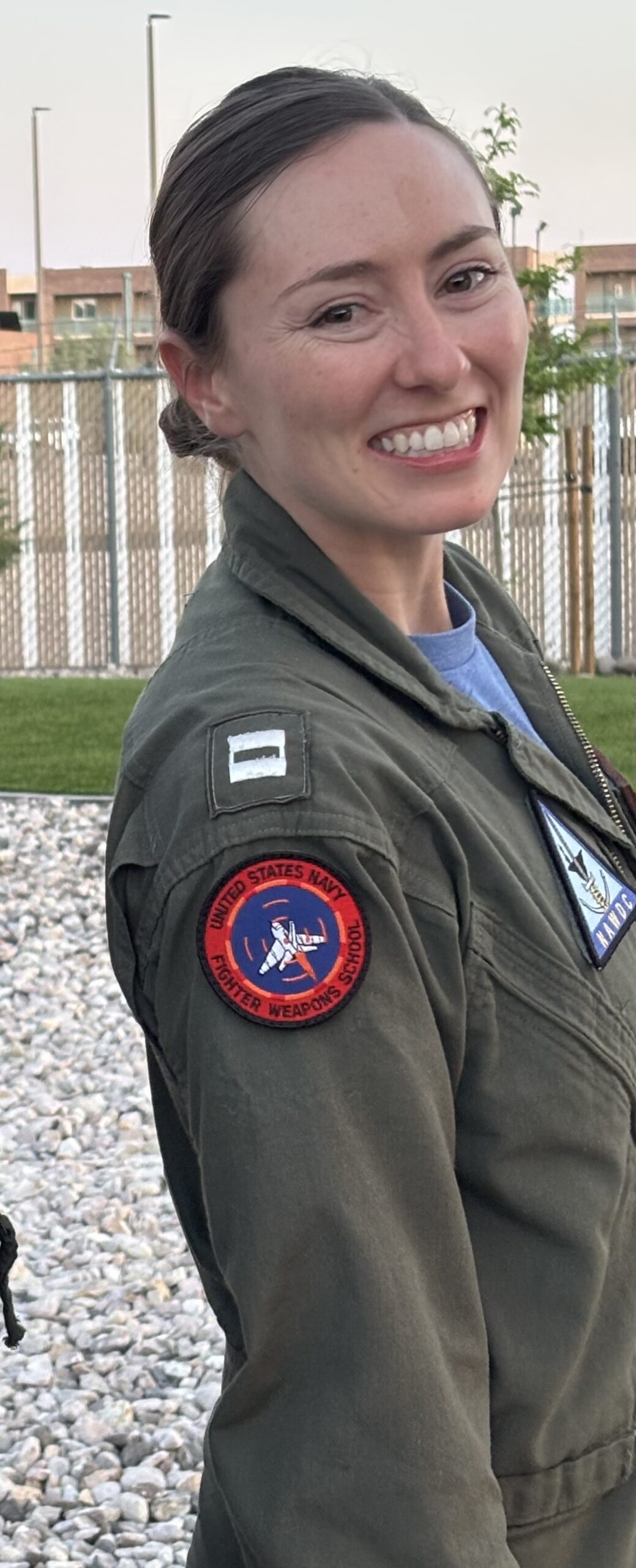
This past summer, Ryan, a SVHS graduate with the Class of 2012, earned her way into the United States Navy Strike Fighter Tactics Instructor program or “Top Gun” as part of an already impressive career, one of a less than 30 woman to have ever earned the patch for her uniform.
But as with anything that is impressive, this one part of her journey is only a piece of a path that has been filled with challenges that have been overcome with perseverance, dedication and skill.
First off, how does a former SVHS cross-country runner even get to the next step?
“In order to become a Navy pilot, you have to become a commissioned officer,” Ryan said. “Notre Dame has a program to do that so that allowed me to have a good scholarship to go there.”
While in South Bend, Ryan studied Math Statistics and Computer Science. She was commissioned in May of 2017 and went to flight school where the first of many paths was laid out in front of her
“You put in your preference but there’s no guarantee,” she said. “I got my first choice”
As you might have guessed, the Navy doesn’t just hand you a fighter jet.
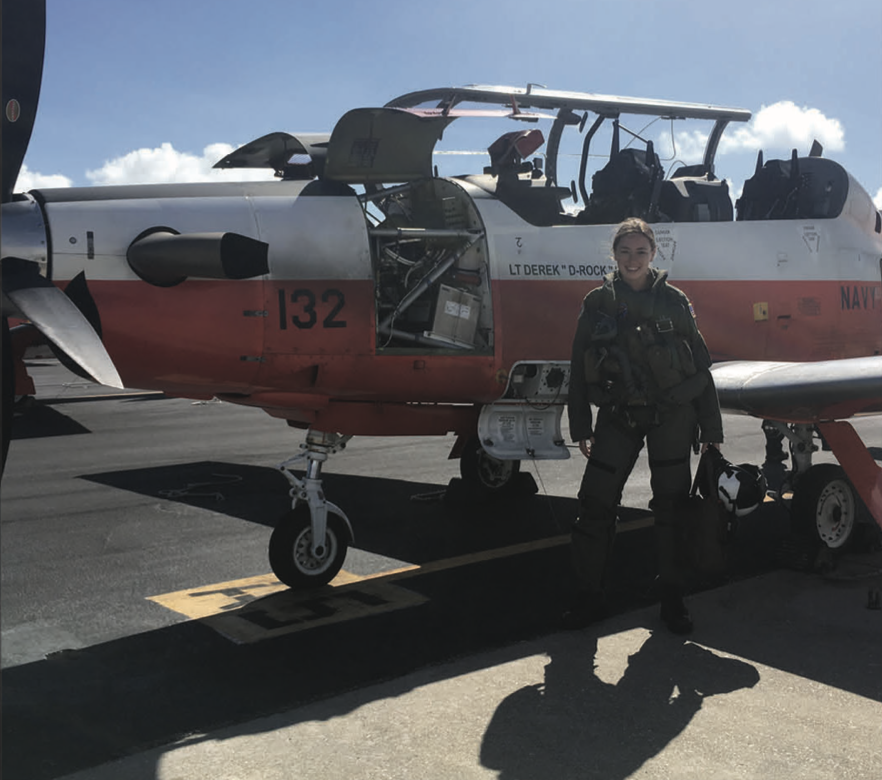
“It’s a two to three year process to move from a civilian aircraft under supervision,” she added. “We start on civilian aircraft like the Piper Cherokee or a Cessna. But soloing comes later in an aircraft called the T-6B Texan 2, which is “meant to be the Navy’s primary flight trainer. It’s a high-performance propeller aircraft.”
“Then we go to Navy Aviation Preflight training. The overall idea is the Navy wants you to fly the Navy way. At the end of that, you go through Aviation Water Survival. Before you ever fly you will learn how to do water survival.”
This includes being put into a helicopter simulator which is then flipped upside down wearing blackout goggles.
“There are people who fail,” Ryan commented. “It is trimmed down to who they think will be able to do it.”
From there, she eventually soloed and then began the process of learning aerobatics. The program has constant oversight which includes the necessity to hit developmental checkpoints.
But that still doesn’t put you in a jet. Pilots fly where they are assigned to fly.
“There are people who really wanted jets, which I really wanted,” she said. “I just went in with a good attitude. I still decided to put jets first in my preferences. You have to have be at the top of the class to be there so I worked really hard.”
Rebecca’s hard work paid off as she got her top preference.
“I was ecstatic,” she replied. “I waited until everyone left the room and did a happy dance. I put it first because I knew I’d always wonder. I was open to other things but a lot of people think they want jets but then they change their minds if they have issues with it. It’s a tough lifestyle and it’s kind of a brutal community. Some people want more of a work/life balance.”
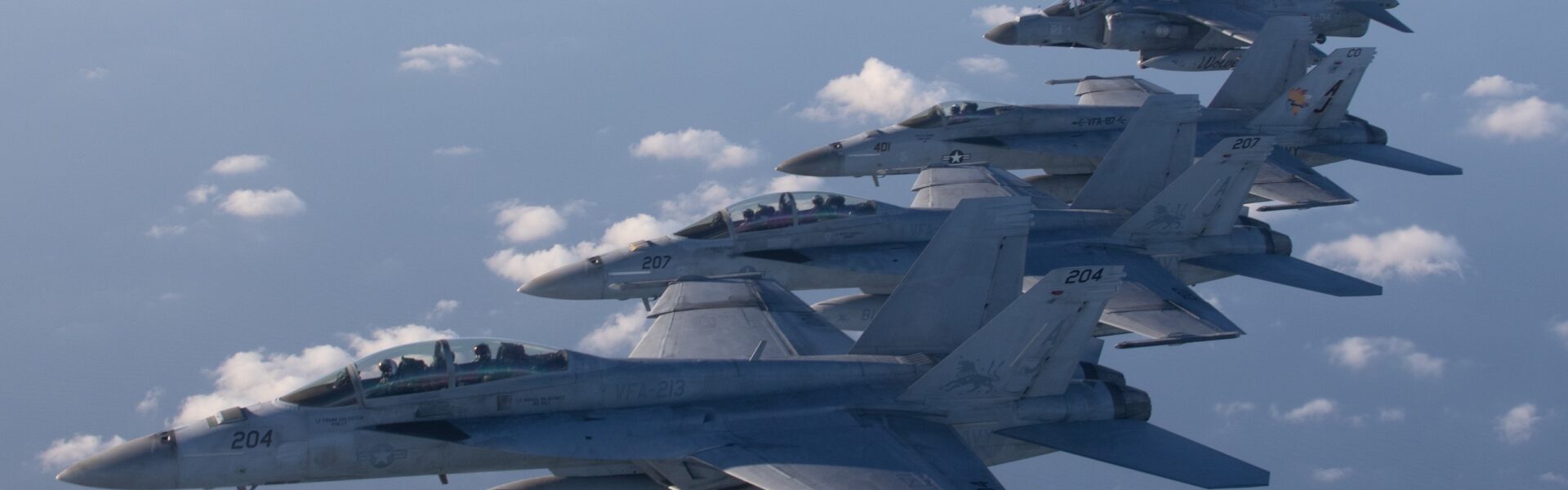
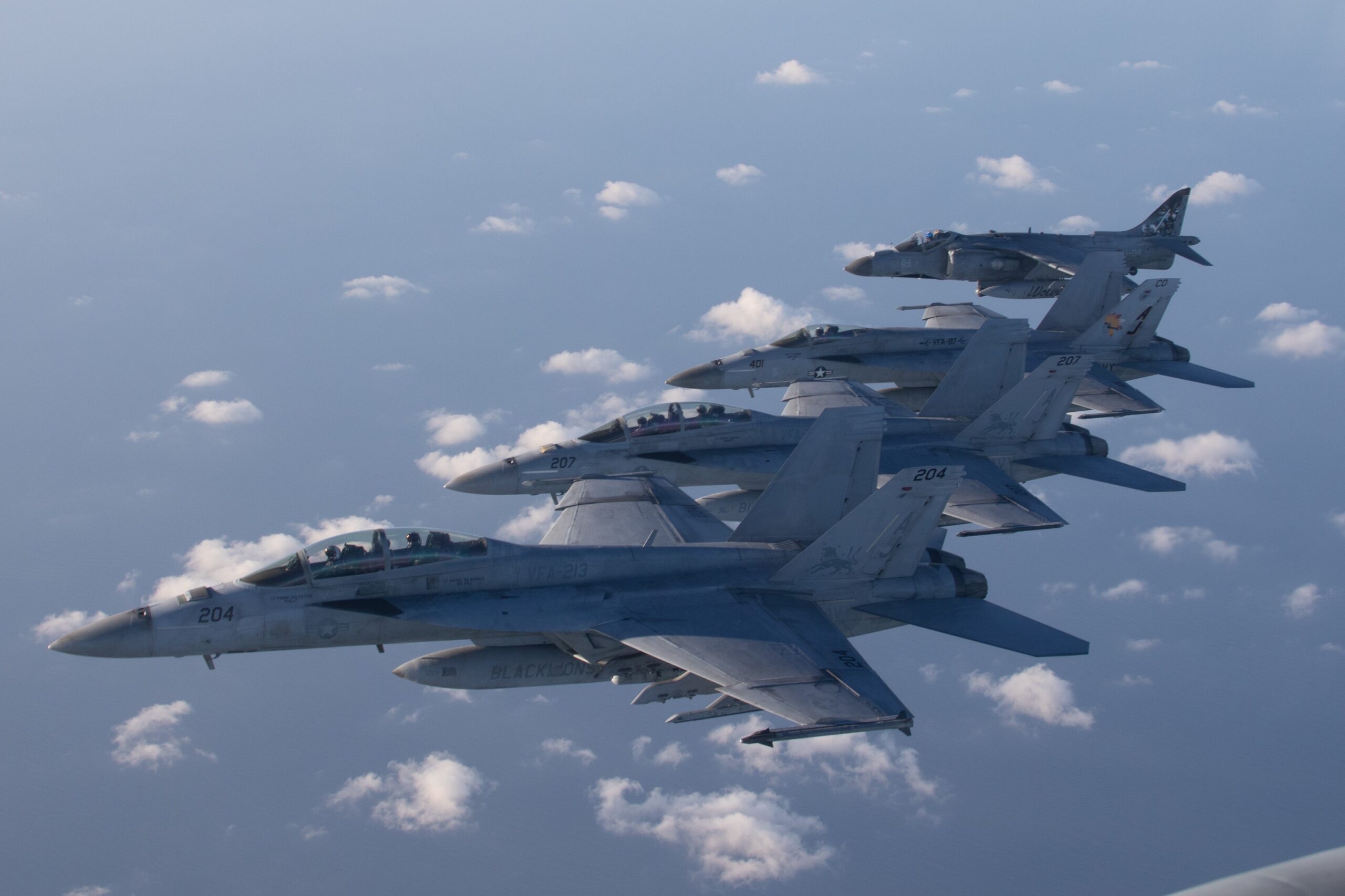
Her happy dance then led her to the VFA community for fixed-wing either aircraft. Unlike a traditional acronym, the “V” refers to the wings of the aircraft itself. It is otherwise referred to as the Strike Fighter Squadron. This community includes jets like the F-18 or F-35.
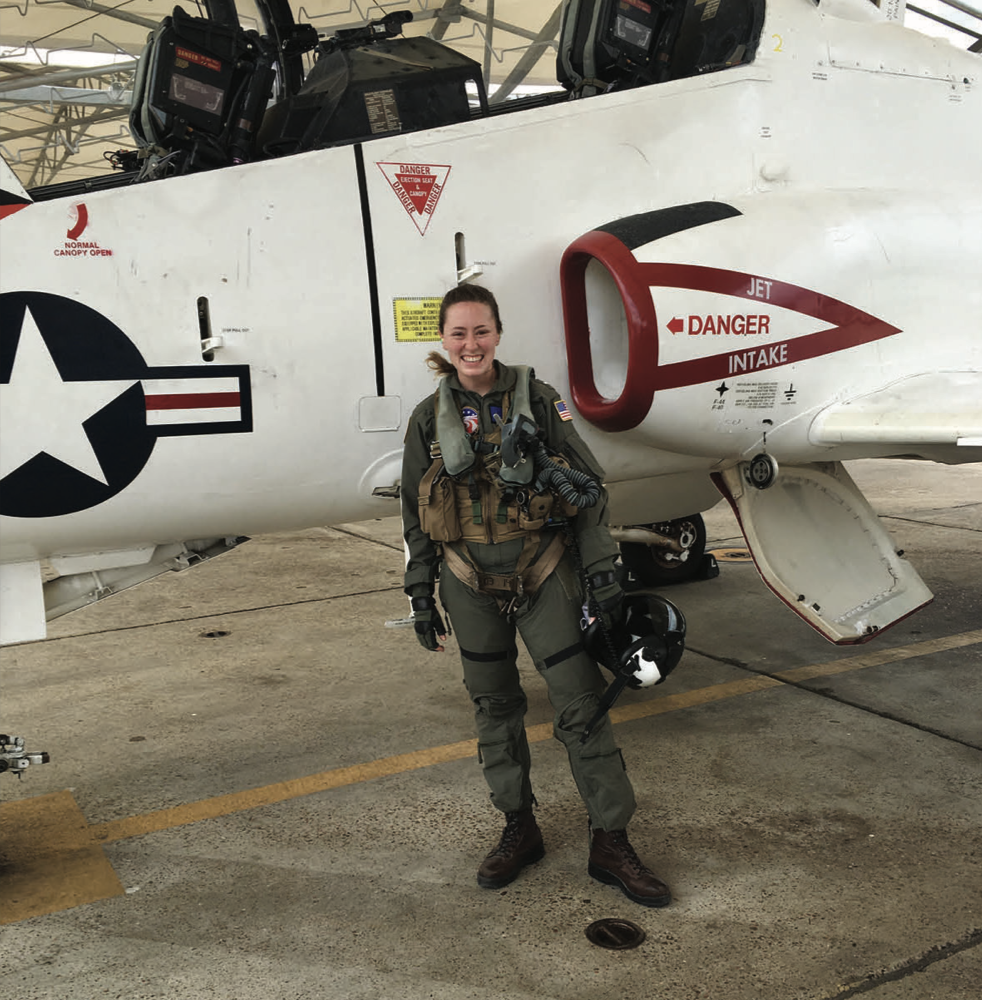
Her flight training aircraft was the T-45 Goshawk where she continued to push her limits.
“I think that was probably the most difficult thing,” she said. Your biggest jump or leap in ability level and expectations are there. The T-45 was a lot. It’s kind of an unstable aircraft. It’s a brutal community and there is no real positive feedback. It’s tough on your self-esteem and your confidence and I know a lot of people who failed. It makes you think, I hope I make it.”
As part of the Fleet Replacement Squadron (FRS), Ryan continued to stretch her abilities.
“You’re still learning a lot but learning about tactics and things that you’ve never had to worry about before,” she continued. “The pace is quicker and you are expected to be better and faster than the previous step. You’re never done learning.”
She continued to climb positions from a combat wingman to then a combat section lead and then to the combat division lead which leads three other planes. There is also Fighter Integration which leads up to seven other aircraft. But the process of earning a spot into the “Top Gun” program isn’t what movie-goers may imagine.
“It’s not the way you think it would be,” Ryan stated. “The movies portray the pilots competing against each other but that’s not the reality of what we do. There are some outliers who might be more arrogant or confident that you may see, but the three tenants are [to be] Humble, Credible and Approachable, and those are the the things that matter the most. We work together and you are stressed and not getting a lot of sleep and thinking you are going to fail out every day. It’s a high level of stress that you’re going through. The environment they create contributes to that. Just like any other military training.”
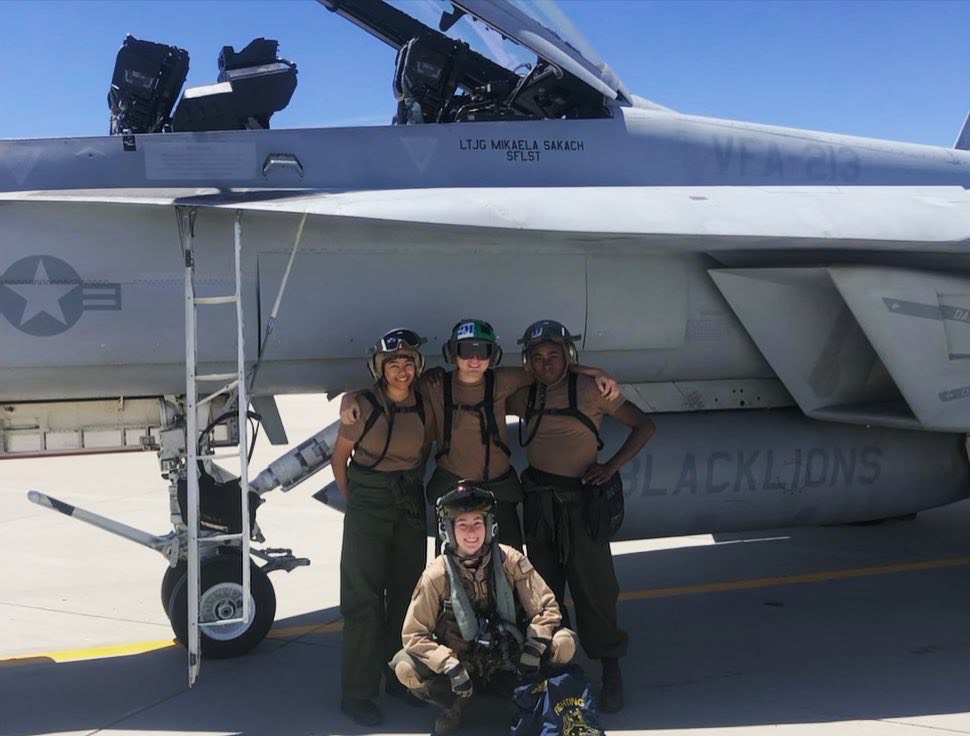
So what experiences does a little mountain town in rural Wyoming offer that could help with such specialized and brutal military endurance? As it turns out, you might be able to guess.
“He might laugh at this, but the lessons I learned from [Ty Draney and cross-country], those are what got me to this point,” she laughed. “I hear his voice in my head when things get hard.”
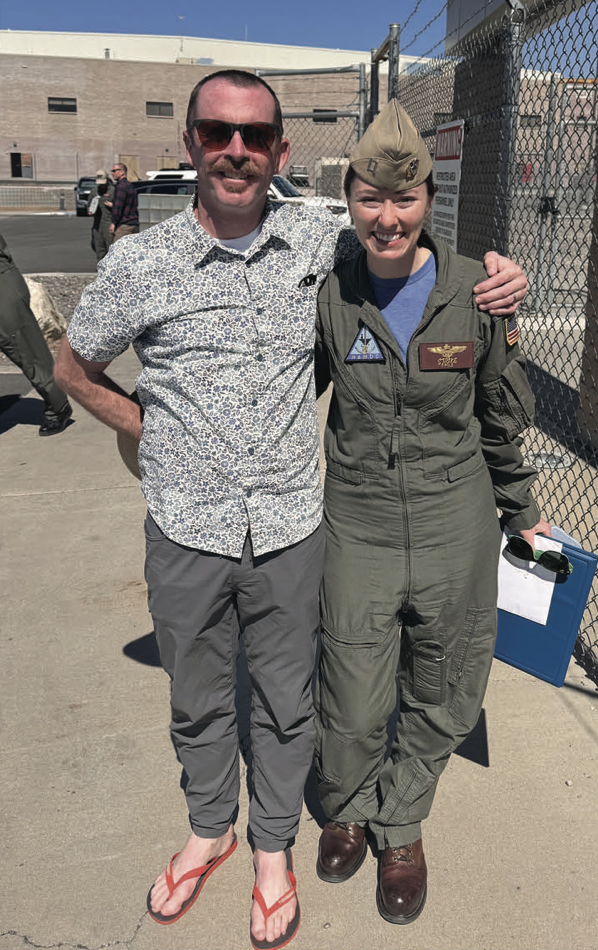
Maybe that’s why the connection made during the dog days of summer miles had coach Draney at her side when she was presented with her patch from the program.
“I could not believe he made the trip out,” Rebecca added.
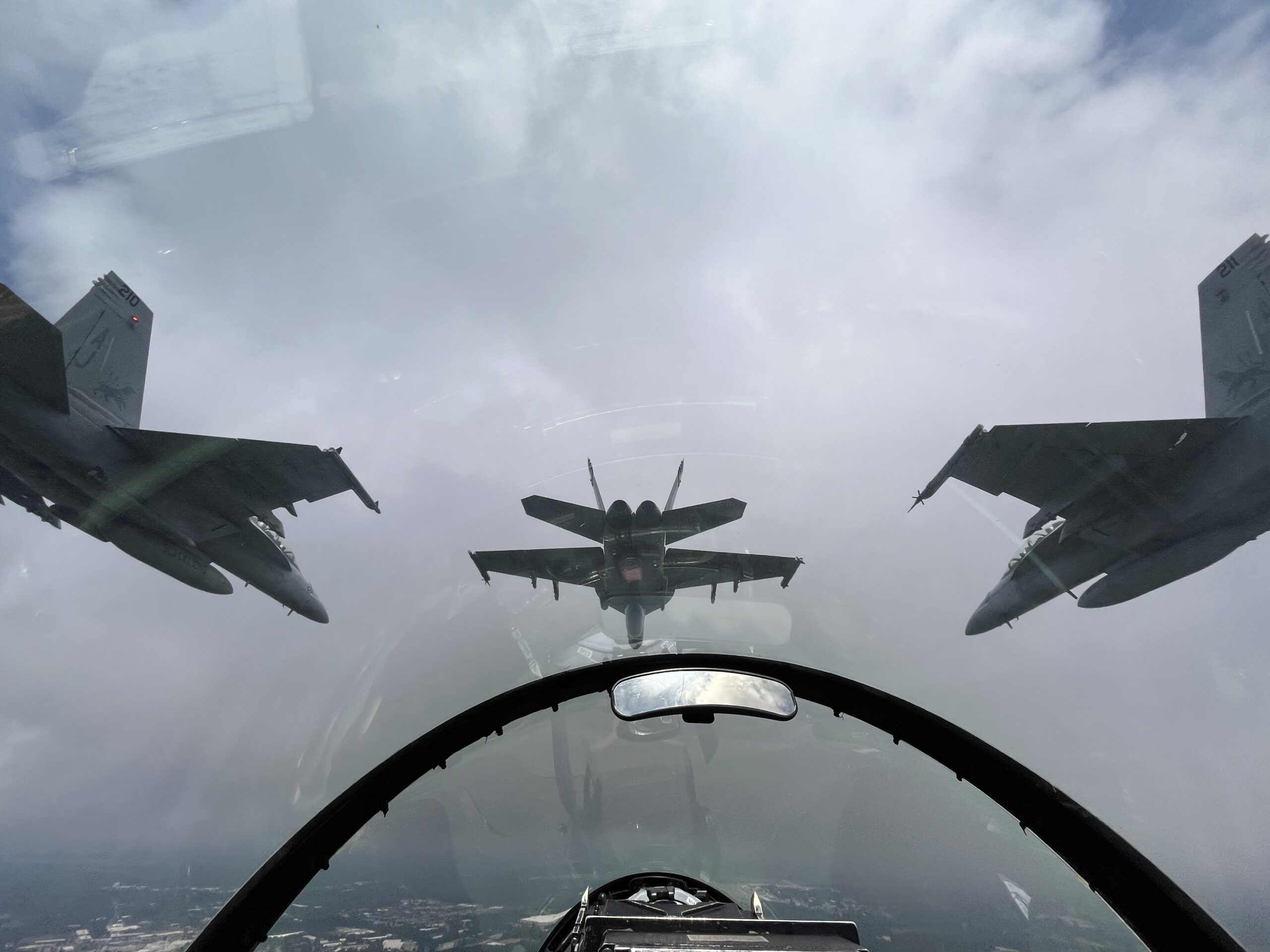
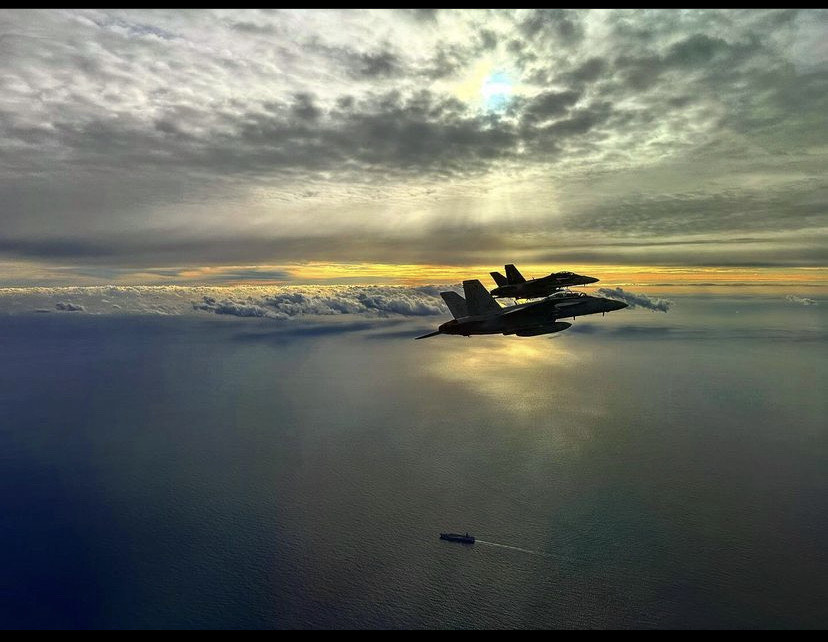
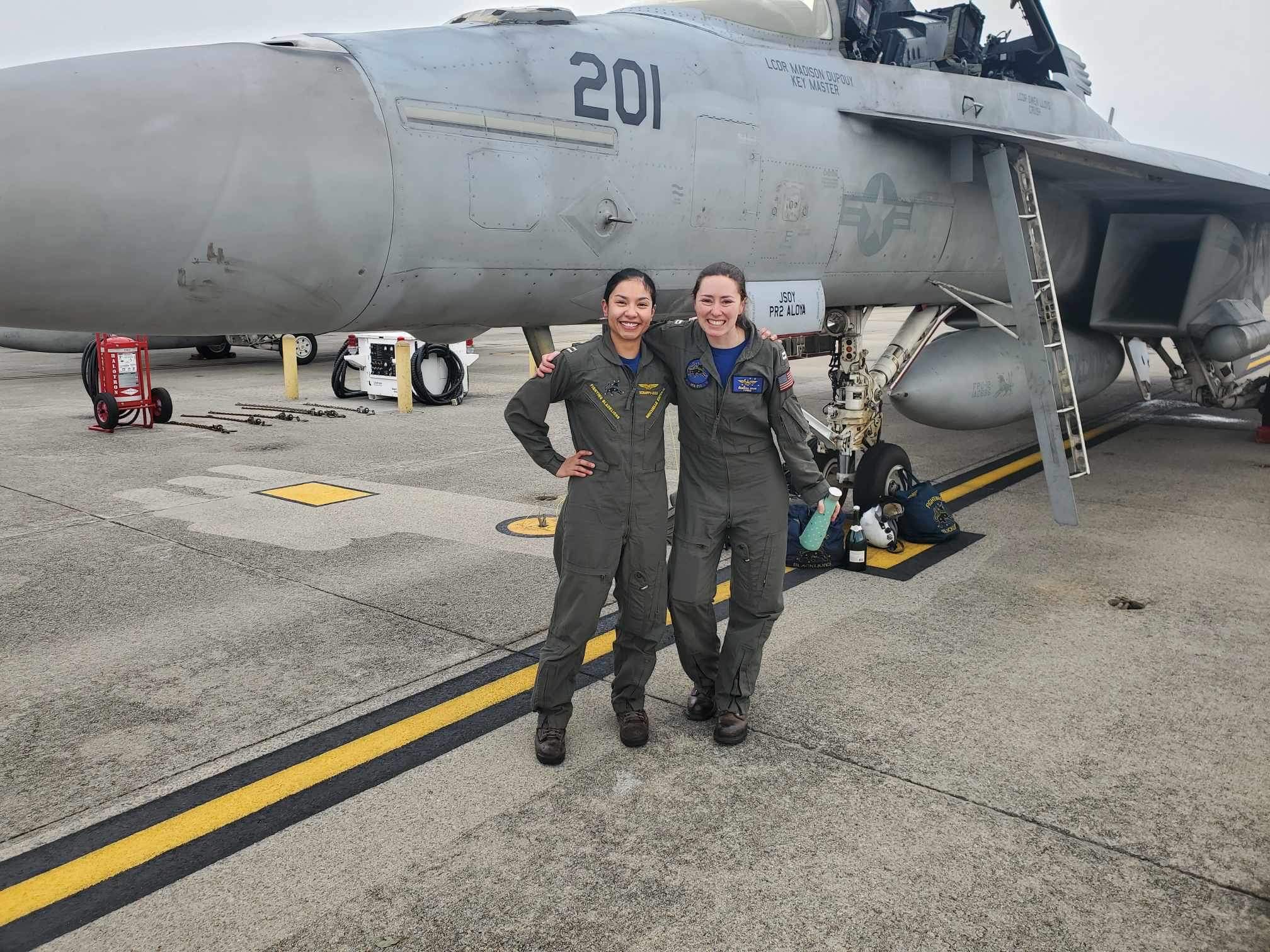
Lt. Rebecca Ryan, Strike Fighter Tactics Instructor, is flying the F-18 and F-16 Fighting Falcon for the U.S. Navy as part of an organization called the Naval Aviation Warfighting Development Center (NAWCD) where she trains air wings and carrier strike groups prior to their deployments. She’s not only part of a tiny percentage of advanced pilots who are on the front line of the country’s defense, she’s also an instructor for the next generation of pilots.
“If you have a dream, work hard, chase it,” she stated. “If you put in the work, there is no shortcuts. There’s that quote that says luck is when hard work meets opportunity, I got lucky so many times, but I worked my butt off and that matters so much.”
*Editors Note* – Rebecca has graciously offered to help any prospective pilots in what can be a very confusing path to navigate. Just contact SVI Media for more information on how to contact her in this regard.