Carnivore conflicts: 2025 report explores challenges for special team

By Mark Davis
Powell Tribune
Via- Wyoming News Exchange
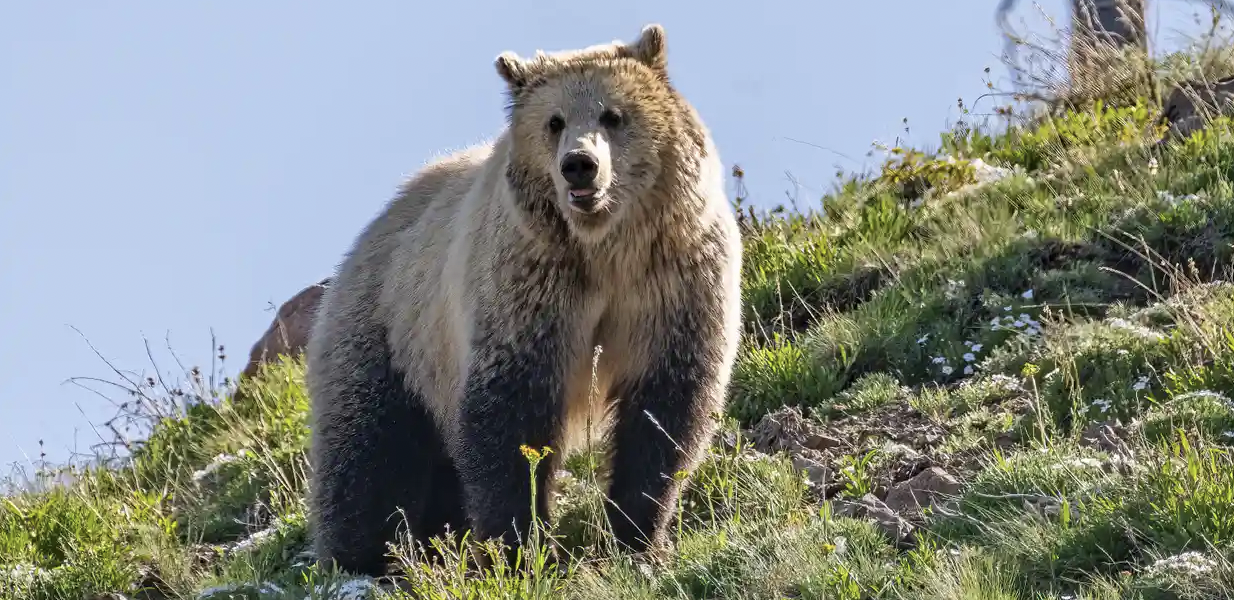
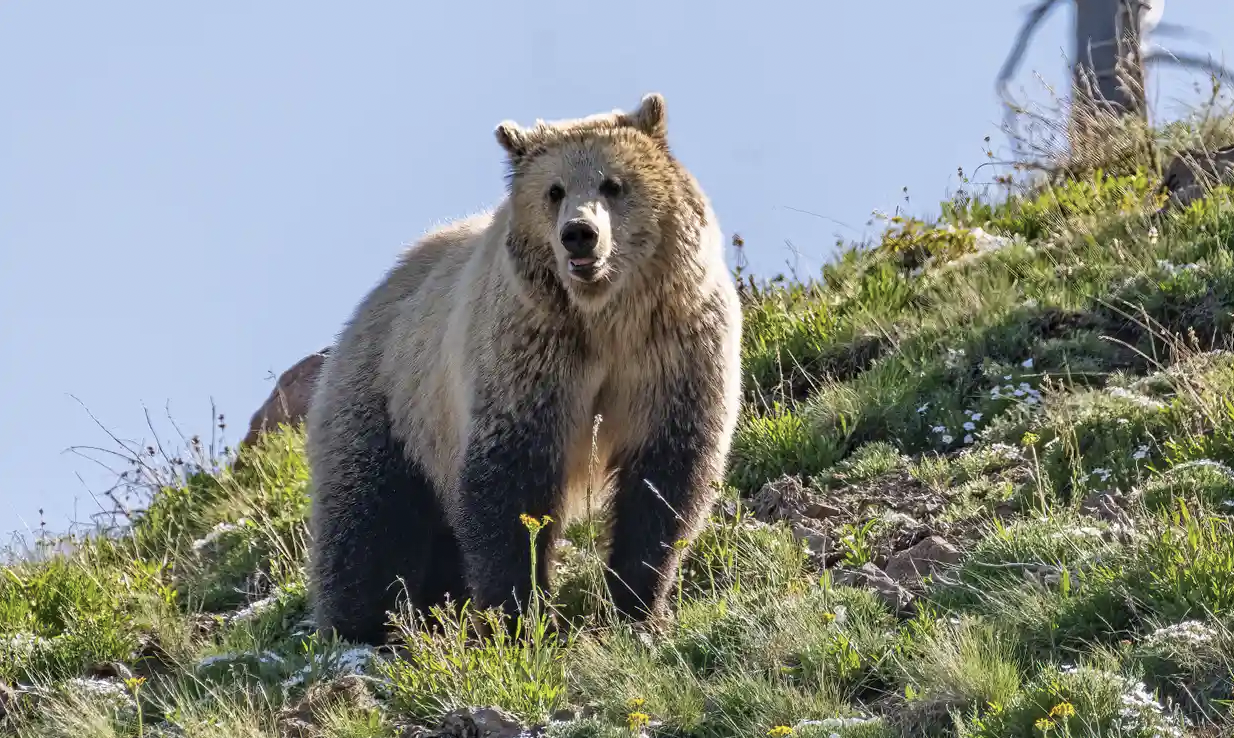
POWELL — Bears continued to dominate Wyoming large carnivore conflict reports in 2025, accounting for nearly six times more warden-confirmed conflicts than wolves and mountain lions combined.
Bears were involved in 412 conflict reports (220 grizzly bear, 192 black bear) last year, while mountain lions and wolves combined were only involved in 71 confirmed conflicts (36 mountain lion, 35 wolf), according to a report made in front of the Wyoming Game and Fish Commission this past week.
“We have bears occupying all the suitable habitat and beyond,” said the state’s top large carnivore expert Dan Thompson.
Thompson leads a crew of 10 large carnivore biologists who respond to conflict reports year round. Last year the first confirmed conflict was Jan. 3 and the final call of the year came Dec. 29.
Confirmed conflicts are those requiring actionable responses, including injury and death of livestock and humans and property damage — not just complaint calls.
“I don’t think (call) data is worth anything,” said Conflict Coordinator Brian DeBolt, adding that calls that are sometimes just sightings don’t fit the department’s definition of some sort of damage.
The Cody Region had the most large carnivore conflicts in the state with nearly 160 confirmed conflicts, followed by Lander (about 125), Pinedale (about 110), and Jackson and Sheridan (about 25). Laramie, Casper and Green River regions all recorded 15 or fewer conflicts.
“We have 10 to 12 people within the large carnivore section to handle [conflicts],” DeBolt said. “We do recruit help from wardens, and biologists, you know, when necessary. But the brunt of the work is about 10 people handling [conflicts] in Northwest Wyoming. The department is hardly new to responding to conflicts. Since 1982, team members, wardens and biologists have responded to 12,715 conflicts, including 6,089 for grizzly bears, 4,485 for black bears, 1,120 for mountain lions and 1,021 for wolves.
“Grizzly bear conflicts dominate what we do, even though they have the lowest distribution in regards to these four species within the state, they constitute the highest volume of conflicts that we deal with.”
Keep in mind that bears hibernate and typically are denning for several months. Grizzly bears in the Northern Rockies typically hibernate for five to seven months each year, generally from November through March or April. They enter dens to survive harsh winter conditions and food scarcity, often emerging earlier or later depending on food availability, pregnancy and weather, the Montana Fish, Wildlife and Parks Department reports.
Obviously, large carnivore biologists are doing more than simply responding to calls.
They are proactive on several different fronts, from fencing projects to the Bear Wise program.
One example of the work can be seen at Gallagher’s Corn Maze and Pumpkin Patch in Clark.
In 2023, nearly 20% of all conflict captures happened in or near the attraction. Now, after fencing in the family friendly destination with a five-strand, 9,600-foot-long electric fence on Sept. 27, 2024, the attraction is safe and grizzly bears haven’t bothered the approximately 10,000 visitors per year.
When there is a conflict, wildlife authorities can either capture the offending bear and move it to a new location or euthanize the animal, which is called removal.
“We try to relocate them, if at all possible with bears,” DeBolt said.
Relocation depends on many factors, including age, sex, physical condition and availability of suitable relocation sites. The blunt truth is the ecosystem is at its carrying capacity, and grizzly bears captured outside of what the federal government considers suitable habitat have a much lower chance of relocation than individuals living inside the suitable habitat, known as the Demographic Monitoring Area.
“I threw out all those factors really fast, but they’re all considered every time we catch an animal. Removing a critter isn’t taken lightly. It’s a big group decision,” DeBolt said.
A record number of grizzly bears made the U.S. Geological Survey’s list of probable and
known grizzly bear mortalities in 2025. The number of management removals have been trending higher, but the population and footprint of the species has also been growing, Thompson said.
“The years we have low grizzly bear mortalities, there’s no headlines, and I like to point that out to the media,” he said. “But the second we have a high number of grizzly bear mortalities, every headline goes there, and then I always remind them, because it’s the highest number of grizzly bears we recorded since the 70s.”
The above story may be used ONLY by members of the Wyoming News Exchange or with the express consent of the newspaper of its origin.