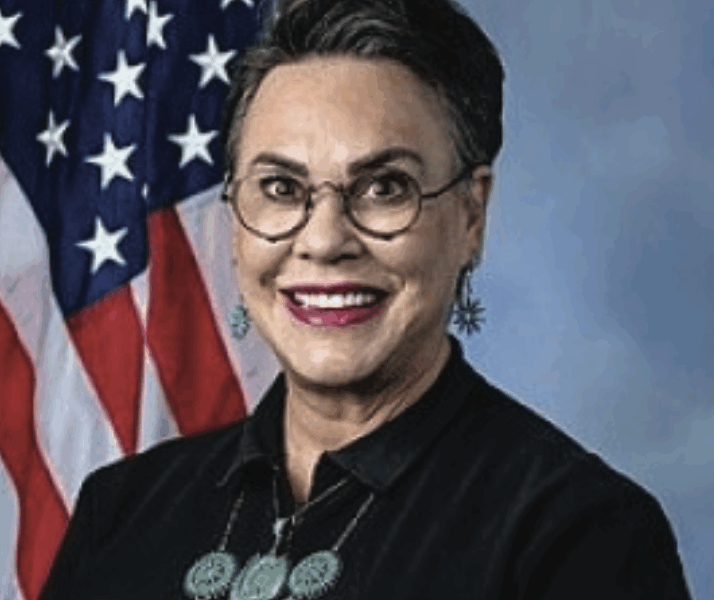

U.S. Representative Harriet Hageman (R-WY) introduced legislation to reform bonus‑bid payments on federal coal leases, saying the change will cut burdensome up‑front costs for producers, keep coal competitive, and help ensure reliable U.S. energy supplies.
Under current rules, companies winning federal coal leases must make large, front‑loaded bonus‑bid payments in five installments over the first four years of a lease. Hageman’s bill would instead stretch those payments into 10 equal installments, reducing the immediate cash burden on developers while keeping the total amount due to the federal government unchanged.
“This is a very important bill for the health and well‑being of our coal companies,” Hageman shared on the Weekday Wake‑Up. She described the present bonus‑bid schedule as “front-loaded,” explaining that coal operators, when they seek to expand their operations, have to pay the federal government millions, actually tens of millions of dollars, in order to expand their operations. But it can take as many as 10 or 12 years to actually earn that revenue back.”
Those long delays between paying upfront fees and seeing production revenue, she said, discourage expansion and threaten future coal output. “With the front‑end loading that we have with this bonus bid requirement, it is actually hindering our ability to expand our operations,” Hageman said. “We’re being told by our coal companies that despite the fact that we have hundreds of years of reserves, just in Wyoming alone being the largest coal producer, we are getting to the point where we are potentially going to be having a shortage of coal production because the companies just simply cannot afford these various federal requirements that they have.”
Hageman emphasized that her proposal does not reduce what companies ultimately pay to the federal government; it simply aligns payments with when companies begin to earn revenue. “I am not changing the amount that the coal companies will have to pay to the federal government for these bonus bids,” she said. “But I am spreading it out over a longer period of time rather than the first five years. I am doing it so that they can match their revenue with their cost outlays and payment of these bonus bids, so rather than a five‑year front‑end loading, we can do it over a ten‑year period, which would better match their income stream and allow them to continue to expand without going broke.”
The legislation arrives amid Republican efforts in the 119th Congress to reverse leasing restrictions adopted under previous administrations and to boost domestic coal production. Hageman framed the measure as part of a broader energy‑security agenda: “Americans are reminded every year how coal keeps us warm in the winter, and cool in the summer,” she said in a press release announcing the bill. “Reforming bonus bids on America’s coal producers will reduce more barriers on affordable, reliable power at the heart of the Republican agenda for energy dominance.”
Support from industry groups has been quick. The Wyoming Mining Association said a longer, more flexible payment schedule “will make acquiring leases more competitive and keep Wyoming coal strongly in the American energy mix.” The National Mining Association similarly praised the proposal as a way to unlock financing for long‑term domestic energy projects.
Hageman also tied the proposal to recent weather events and the limits of some renewable technologies during peak demand. On the radio, she noted that during recent blizzards and storms, “100% of the energy that has been consumed to keep the lights on in the houses warm has been either coal, oil, or gas or uranium/nuclear,” adding, “So wind and solar, they do not work at the time that you most need them. And that’s just a fact of life.”
Hageman said she will continue to press the measure as part of broader efforts to support Wyoming’s energy sector. “This is about energy production,” she said. “Coal demand is increasing with data centers and AI, and just what we need to power our economy.”
The bill’s path through Congress remains uncertain; sponsors and industry groups are urging hearings and bipartisan consideration, while opponents warn of longer‑term climate and public‑health consequences from expanded coal use.
To listen to the full interview, visit svinews.com/radio or visit hageman.house.gov to learn more.