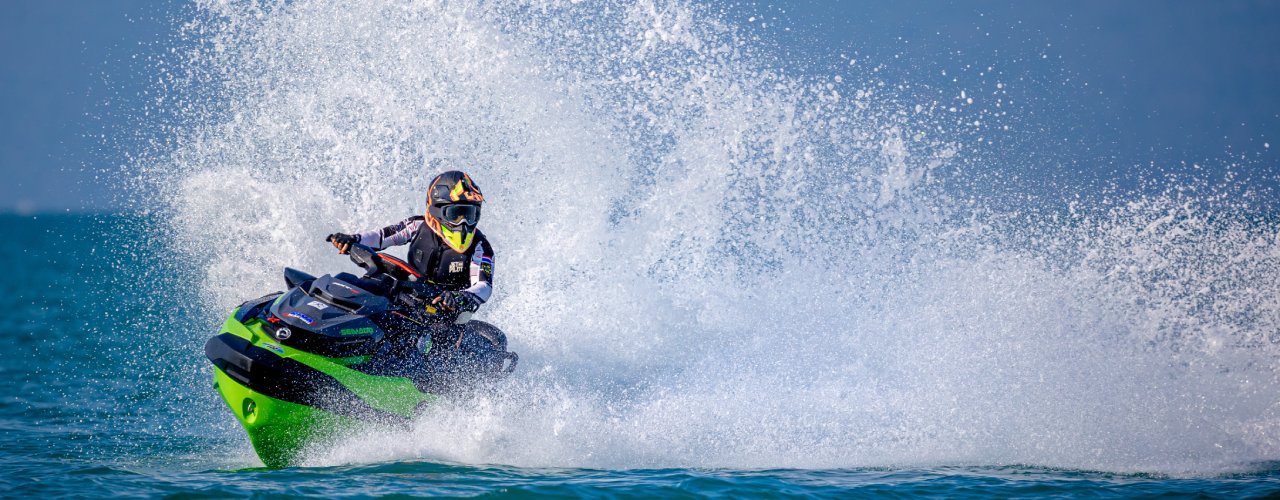

Keeping your jet ski in top shape ensures smooth, exciting rides every time. One essential part is the intercooler, which cools the air compressed by the supercharger to maintain your engine’s ideal temperature. However, it can develop problems if neglected. To keep your rides worry-free, it’s important to understand common jet ski intercooler issues and how to solve them.
Overheating
Overheating is a prevalent challenge with jet ski intercoolers and often stems from restricted water flow or extended high-performance usage. A clogged cooling system or debris in the water can reduce efficiency.
To counteract this, rinse the cooling system with clean water after every ride, especially if you’ve been riding in saltwater. A proper flush ensures that residual salt or debris doesn’t build up and compromise the system’s ability to manage heat.
Corrosion
Corrosion, especially in saltwater conditions, is another common jet ski intercooler issue. The metal components of an intercooler can deteriorate over time if they come into prolonged contact with salty environmental elements.
Preventative maintenance, such as using anti-corrosion sprays or rinsing the entire jet ski with fresh water post-ride, can help. If you spot corrosion early, professional cleaning or recoating may restore the intercooler’s integrity before total replacement becomes necessary.
Leaks
Leaks in the intercooler can develop due to wear and tear over time. These leaks cause coolant to escape, which diminishes the performance of the intercooler and puts the engine at risk of overheating.
Regularly looking for visible signs of leaking, such as water trails or a drop in coolant levels, can prevent further complications. Repairing small leaks early can save time and money, while larger damage might require replacing the unit altogether.
Blockages
Blockages are common, especially if you ride in areas with debris-laden water. A clogged intercooler compromises airflow and water flow, reducing its efficiency.
Routine maintenance, including system flushes and cleaning filters, is the best way to prevent blockages. If you notice reduced performance, it’s a good idea to check for and address any blockages immediately.
Damage From Impact
Impact damage can occur if your jet ski experiences rough handling or an accident. Dents, cracks, or misaligned parts can severely affect the intercooler’s performance.
After any significant impact, perform a thorough inspection or have a professional check the intercooler for damage. Replacing damaged components sooner rather than later can save further damage to the engine down the line.
Maintaining Your Jet Ski Intercooler for Optimal Performance
A well-maintained intercooler is key to keeping your jet ski running smoothly and performing at its best. Regular checks, timely cleaning, and addressing issues as soon as they arise are critical to ensure the longevity of your intercooler and your jet ski’s engine.
Proactive care minimizes potential problems and ensures that you’re always ready to cut through the waves whenever adventure calls. If you’re unsure about maintenance or repairs, consult a professional for preventative care that ensures peak performance on every ride.