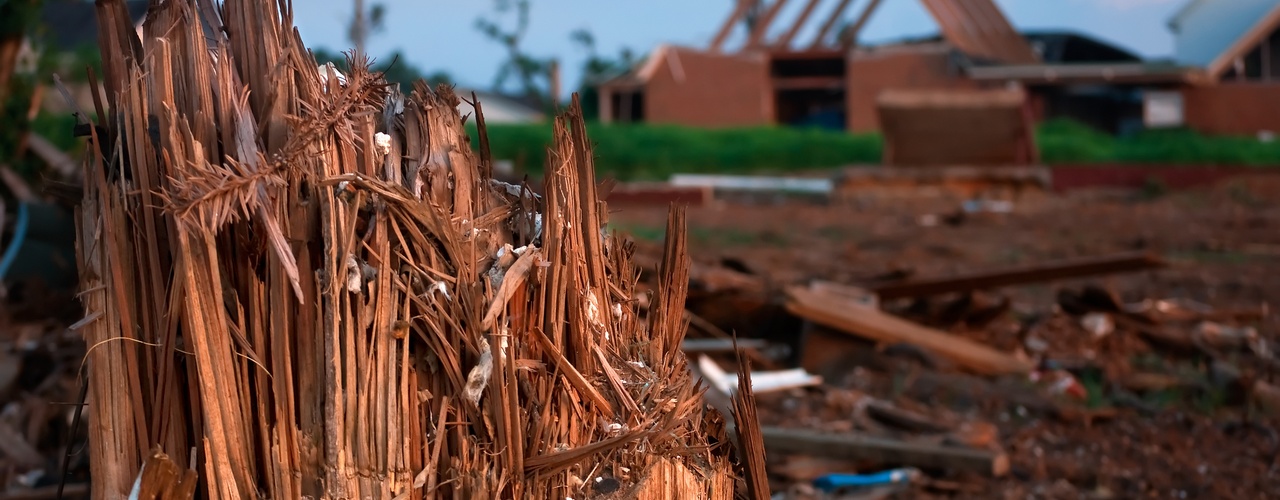

Natural disasters can strike with devastating force, leaving communities reeling and searching for ways to rebuild. While Wyoming may not experience hurricanes or tropical storms, it faces its share of natural disasters like wildfires, tornadoes, and flood risks. These events highlight the importance of resilience, preparation, and practical strategies for rebuilding communities after natural disasters.
Unique Challenges
Wyoming’s vast landscapes and rugged terrain present unique challenges when disasters strike. The dry climate makes Wyoming particularly vulnerable to devastating effects from wildfires, which spread quickly over the open land.
Similarly, the mountainous regions experience spring floods when melting snow overwhelms rivers and streams. These conditions demand customized approaches to both rebuilding and mitigating future risks.
Assessing Damage and Setting Priorities
The first step in recovery is assessing the extent of the damage to determine what you can salvage and what requires rebuilding. Local governments, emergency responders, and community leaders often coordinate during this phase to prioritize critical areas like homes, infrastructure, and public services. Strategic resource allocation, focusing on both immediate needs and long-term recovery, helps build a strong front against natural disasters.
Clearing Debris and Preparing for Reconstruction
After disasters like wildfires or floods, one of the most significant tasks is clearing debris and preparing the area for rebuilding. This task is where modern machinery is needed, and how track loaders are beneficial. They are particularly useful at removing debris, hauling heavy materials, and quickly leveling ground.
Alongside track loaders are machinery like excavators for foundational digging and bulldozers for clearing large areas. These machines form the backbone of swift and effective recovery.
Resilience and Sustainability in Rebuilding
Disasters provide an opportunity to build back stronger and improve community resilience. This rebuilding means incorporating materials and designs that reduce vulnerabilities—for example, using fire-resistant construction materials in wildfire-prone areas or elevating structures in flood zones. Upgraded drainage systems and community-wide sustainability measures, like renewable energy installations, can also mitigate long-term risks.
Resilience also involves updating building codes to reflect lessons learned from past disasters. By doing so, communities ensure that new infrastructure can withstand future challenges and become a foundation for safer living.
The Power of Community Collaboration
Rebuilding isn’t just about reconstructing physical places; it’s about restoring the connections between neighbors. Community collaboration plays an important role in the recovery process.
Initiatives like fundraisers, volunteer rebuilding efforts, and shared community events foster solidarity and strengthen emotional well-being. The shared experience of recovering together builds a sense of unity, which is often as important as the physical reconstruction itself.
Leveraging Technology for Long-Term Recovery
Modern technology plays an increasingly important role in disaster recovery. Advanced tools like drones can survey damage and monitor reconstruction progress, while geographic information systems (GIS) help identify risk-prone areas and inform rebuilding plans. These innovations complement the work of heavy machinery, ensuring that recovery efforts are both efficient and forward-looking.
Building a Better Tomorrow
For Wyoming and other regions facing wildfires, floods, and other crises, rebuilding communities after natural disasters is an opportunity to not only repair what was lost but to create healthier, safer, and more resilient communities. By combining modern tools, thoughtful planning, and the strength of community collaboration, we can guarantee a brighter future that stands ready to face the challenges to come.