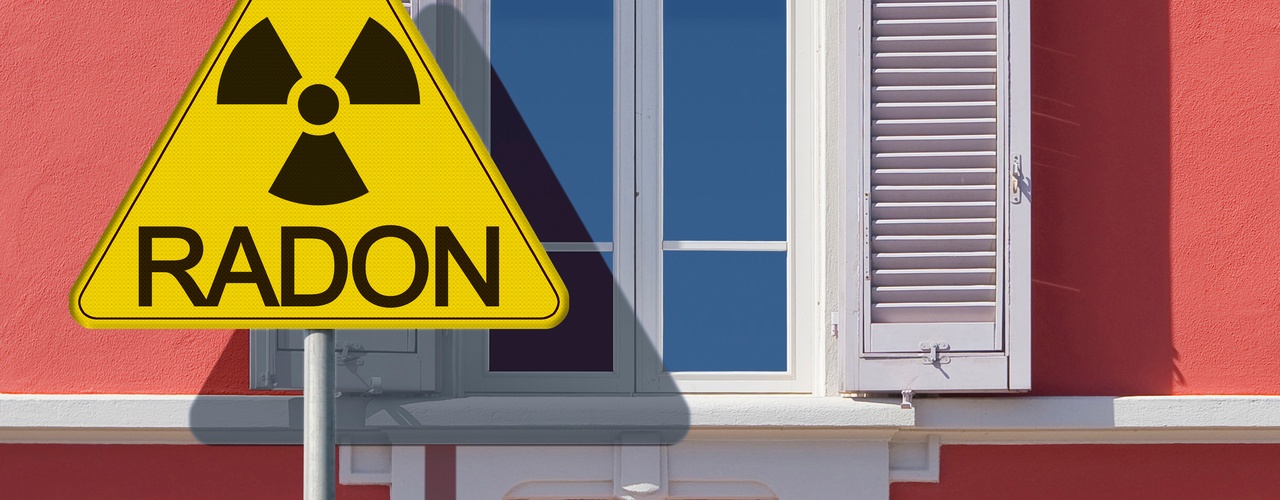

Radon presents a serious, invisible threat to homes across America. This naturally occurring radioactive gas seeps through foundations, accumulates indoors, and poses substantial health risks.
If you’re a homeowner considering a mitigation system, you may have some questions. Below, we’ll answer some frequently asked questions (FAQs) about home radon systems.
What is Radon Mitigation?
First, let’s answer the most basic question regarding homeowners about radon: what are these systems and how do they work? Radon mitigation refers to the process of reducing radon gas concentrations in buildings to safe levels. These systems prevent radon from entering your home and remove existing radon that has already accumulated indoors.
Professional radon mitigation creates barriers between radon sources and your living spaces while actively venting contaminated air to the outdoors. The process transforms dangerous indoor environments into healthier homes where families can breathe easier.
How Does a Radon Mitigation System Work?
Most radon mitigation systems use sub-slab depressurization, which creates negative pressure beneath your home’s foundation. A fan-powered system draws radon-laden air from underneath the concrete slab before it enters your living spaces.
The system includes several components that work together seamlessly. A network of pipes beneath your foundation collects radon gas, while a fan creates the suction to move contaminated air. This air travels through a vent pipe that extends above your roofline, safely dispersing radon into the outdoor atmosphere where it dilutes to harmless levels.
Do I Need a Radon Mitigation System?
The EPA recommends radon mitigation when indoor radon levels measure 4.0 picocuries per liter (pCi/L) or higher. However, any detectable radon level poses some health risk, so many homeowners choose mitigation even at lower concentrations.
Professional radon testing reveals your home’s specific radon levels through short-term or long-term monitoring. Short-term tests provide results within days, while long-term testing offers more accurate annual averages.
Can I Install a Radon Mitigation System Myself?
Another FAQ about home radon mitigation systems that we can answer is whether homeowners can make the installation a DIY project. Installing radon mitigation systems demands special knowledge in building construction, HVAC, and radon behavior. Professionals understand local building codes, proper fan sizing, and optimal pipe placement.
Improper installation can cause inefficient radon reduction, increase infiltration, moisture problems, or even fire hazards from faulty electrical work. Professionals also offer system warranties and ongoing maintenance.
How Disruptive is a Radon Mitigation System?
Many homeowners worry about the disruption and aesthetic impact of installing a radon mitigation system. The good news is that most installations only require a single day or work, minimizing disruption to your household.
Installers typically place the system’s visible components discreetly, usually on the exterior of the home. Radon fan noise levels can vary, but most modern systems are quiet, similar to the hum of a refrigerator. After installation, the system operates silently in the background, offering continuous protection without you even noticing it’s there.
Protecting Your Family’s Future Health
Radon mitigation systems offer lasting protection against lung cancer, silently and effectively reducing radon levels with minimal maintenance. By acting, you commit to your family’s health and preserve your home’s value, so contact a certified radon professional today to explore testing and installation options to safeguard your home for years to come.