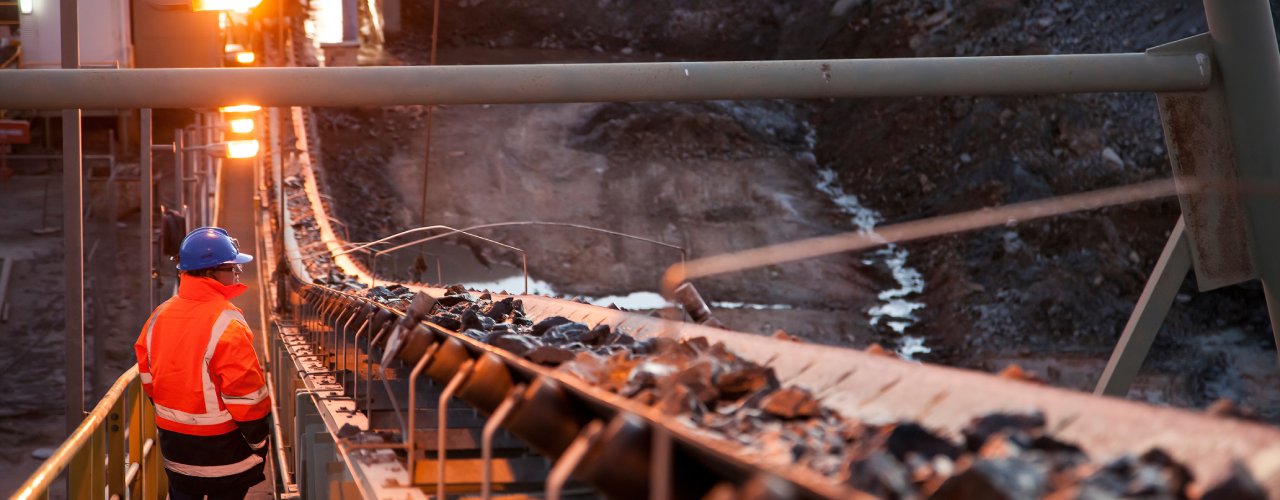

Mining operations present a complex mix of hazards—think extreme temperatures, low visibility, fire, and abrasion risks. A single piece of gear is rarely sufficient; proper protection often requires a systematic approach. Effective safety hinges on correctly layering personal protective equipment (PPE) for multi-hazard mine tasks, creating a protective system that adapts to changing conditions and job requirements.
Building Your Base Layer
The layer closest to your skin manages moisture and provides a primary defense against fire. A quality base layer should be moisture wicking to pull sweat away from the body. This keeps you dry and comfortable during your work.
This layer must also be flame-resistant (FR). Garments made from FR-rated materials will not melt or drip when exposed to heat, preventing severe burns.
The Insulating Mid-Layer
Next, a mid-layer provides insulation. Its main job is to trap body heat to keep you warm in cold environments. Options such as FR-rated fleece or specialized wool blends offer excellent warmth without adding excessive bulk. This layer must also allow moisture to pass from the base layer to the outer shell, maintaining the moisture wicking system.
The Protective Outer Shell
The outer layer is your shield against the immediate work environment. This shell should provide robust protection from abrasion, cuts, and punctures. It also needs to be flame resistant and waterproof or water resistant in order to handle rain and snow.
High-visibility properties are also essential, and you should ensure that the garment design is compatible with safety harnesses and other necessary equipment. The integrity of these garments relies heavily on their construction. This is why heat-resistant threads are crucial in industrial gear, as they maintain seam strength during thermal events.
Protecting Extremities
Head, hands, and feet require specific solutions. A helmet is standard, but consider attachments for eye, face, and respiratory protection based on the task at hand. Gloves must strike a balance between dexterity and protection against cuts, impacts, and chemicals. Your boots should offer safety toes, puncture-resistant soles, and support that’s appropriate for the terrain.
Final Checks for Fit and Function
A correctly layered system should not restrict movement. Check your range of motion before starting a task. Always inspect each garment for damage before use, as compromised gear offers compromised protection.
Understand your apparel’s protection levels, such as those indicated by NFPA 2112 or NFPA 70E ratings, and adjust your gear when tasks change. Following a systematic approach to layering PPE for multi-hazard mine tasks provides adaptable protection for a demanding job.