
Underground mining remains a vital part of America’s economy, extracting valuable resources from beneath the surface across multiple states. While surface mining often gets more attention, underground operations continue to produce essential materials that power industries nationwide. Let’s take an inside look at five US places still completing underground mining, and why they remain a steadfast economic asset.
What Is Underground Mining?
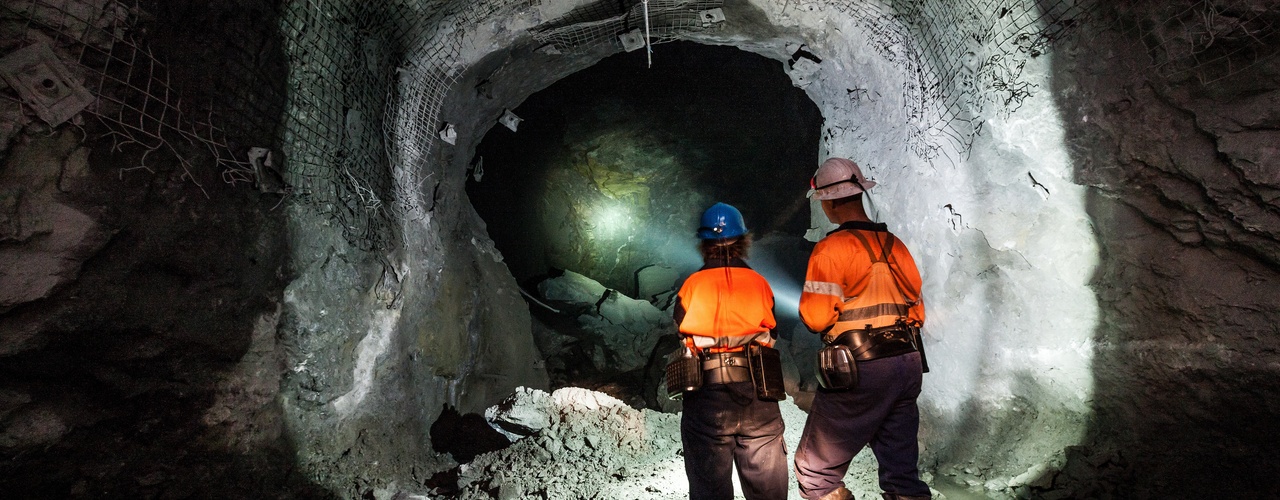
Underground mining involves extracting minerals, coal, and other resources from deposits located deep beneath the earth’s surface. Miners access these resources through shafts, tunnels, and underground chambers, using specialized equipment and techniques to safely remove materials.
This method proves essential for accessing high-quality deposits that surface mining cannot reach. Underground operations supply critical materials for energy production, manufacturing, and construction industries, making them indispensable to US commerce and infrastructure development.
Why Underground Mining Continues
Several factors drive the continuation of underground mining operations across the United States:
- Resource Accessibility: Many valuable deposits exist only at depths requiring underground extraction.
- Economic Viability: Underground mining often yields higher-quality materials with better profit margins.
- Environmental Considerations: Underground operations minimize surface disruption compared to open-pit mining.
- Strategic Resource Needs: National security and energy independence require domestic mining capabilities.
5 US Places Still Completing Underground Mining
West Virginia
West Virginia leads the nation in underground coal production, with operations spanning the Appalachian region. The state’s complex geological formations contain high-quality bituminous coal that underground mines extract through room-and-pillar and longwall mining methods.
Kentucky
Kentucky operates extensive underground coal mining throughout its eastern and western regions. The state produces thermal and metallurgical coal through sophisticated underground systems, contributing significantly to national energy supplies.
Pennsylvania
Pennsylvania maintains active underground mining for coal and other minerals. The state’s mining heritage continues through modern operations that extract anthracite and bituminous coal from deep seams throughout the region.
Wyoming
Wyoming combines surface and underground mining operations, with underground facilities focusing on high-quality coal deposits in the Powder River Basin. These operations use advanced technology to extract coal efficiently while maintaining safety standards.
Arizona
Arizona conducts underground mining primarily for copper, silver, and other metals. The state’s underground copper mines produce substantial quantities of this essential metal for electrical and construction industries.
Equipment Challenges in Underground Operations
Underground mining faces unique equipment challenges that operators must address to maintain productivity and safety. Heavy machinery operates in confined spaces with limited ventilation, creating maintenance difficulties and increasing wear rates. Issues in underground mining equipment often stem from dust accumulation, moisture exposure, and the constant vibration from drilling and extraction activities.
Equipment reliability becomes critical since breakdowns in underground environments require complex repair procedures and can halt entire operations. Specialized transportation systems must move personnel and materials through narrow tunnels, demanding robust and precisely engineered machinery.
The Future of Underground Mining
Underground mining continues to play a crucial role in America’s resource extraction industry. These five places demonstrate how underground operations adapt to modern demands while maintaining essential production levels. As technology advances and safety standards improve, underground mining will remain an important component of the nation’s mining sector, providing materials that support economic growth and energy independence.