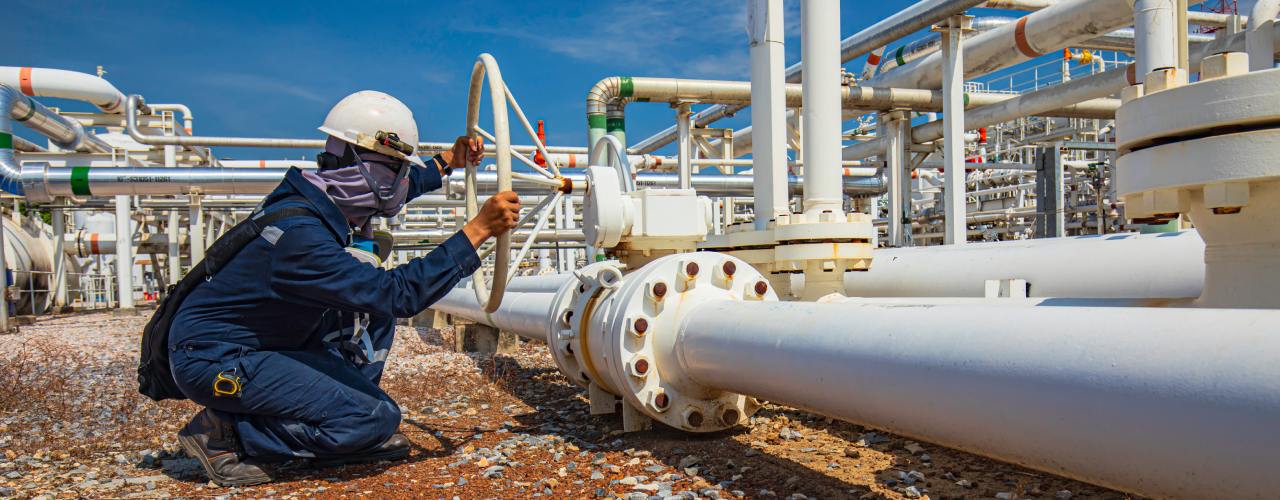

Pipeline tapping, also known as hot tapping or wet tapping, is a fundamental procedure in mining operations that allows companies to add new connections or perform maintenance on existing pipelines without shutting down the entire system. For industries like coal and natural gas, where continuous operation is directly tied to profitability, this process is essential. It enables the seamless extraction and transportation of resources, ensuring uninterrupted flow from source to destination.
But why is precision so critical here? This guide goes into greater depth on why precision matters so much in the pipeline tapping process. That way, you can fully grasp the importance of getting this right when the time comes to make fixes or adjustments.
Safety Implications of Precision
In high-stakes environments like mining, precision is not just a goal; it’s a critical safety requirement. An imprecise tap can compromise the structural integrity of a pipeline, leading to leaks, ruptures, or even explosions. For natural gas pipelines, a minor error can release flammable materials, creating an immediate and severe safety hazard for workers and the surrounding area. Similarly, in coal slurry pipelines, a poorly executed tap can result in significant spills, posing risks and requiring costly cleanup efforts.
Historical incidents have shown that failures often trace back to a lack of precision, underscoring the need for meticulous planning and execution. That’s why you need a trained team on the job that uses some of the more advanced tools for precision wet tapping on the market. That way, the chance of mistake or injury goes way down.
Efficiency and Cost-Effectiveness
Precision in pipeline tapping has a direct impact on a company’s bottom line. Every minute of operational downtime translates to lost revenue. By executing a tap correctly the first time, companies avoid unscheduled shutdowns, reduce the need for costly emergency repairs, and minimize resource loss.
Accurate tapping ensures the new connection is sound and the flow rate is optimized, maximizing output and operational efficiency. Over the long term, investing in precise tapping methods and skilled technicians is a cost-effective strategy that pays dividends through reliable performance and reduced maintenance expenses.
Regulatory Compliance and Environmental Responsibility
The final reason why precision matters in the pipeline tapping process is that mining operations are subject to stringent industry standards and environmental regulations. A failure in pipeline integrity can lead to substantial fines, legal action, and lasting damage to a company’s reputation. Precision tapping helps ensure that all modifications meet or exceed regulatory requirements, safeguarding against compliance-related penalties.
Furthermore, it plays a vital role in environmental stewardship. By preventing leaks and spills, precise pipeline tapping minimizes the ecological impact of mining operations, helping to protect local ecosystems and maintain public trust.