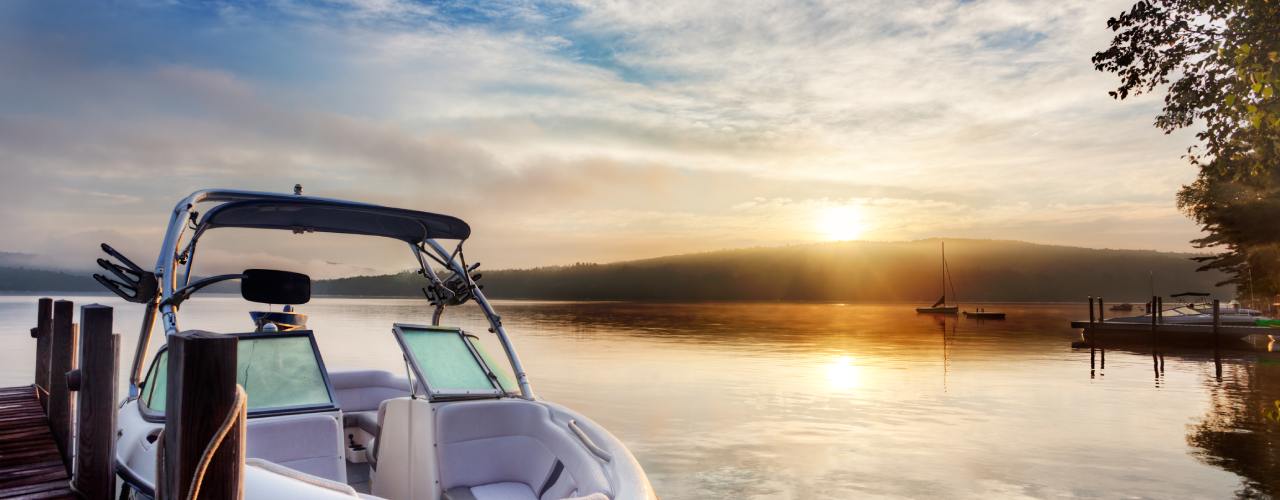

Owning a boat brings unparalleled freedom and adventure, but it also comes with financial responsibilities. Understanding the ongoing costs of boat ownership is crucial for anyone considering this exciting lifestyle. This guide breaks down the primary expenses you can expect, ensuring you are prepared for the journey ahead.
Mooring and Dockage Fees
Unless you can store your boat on your own property, you will need to pay for a place to keep it. Mooring or dockage fees are a significant and recurring expense. Costs vary widely depending on location, the size of your vessel, and the amenities offered by the marina. A premium slip in a popular coastal city will be far more expensive than a simple mooring in a quieter lake. Researching local marina rates will give you a clear picture of what to budget for this essential service.
Essential Insurance Coverage
Boat insurance is not just a recommendation; it’s a necessity that protects your investment and provides liability coverage. The cost of insurance depends on several factors, including the boat’s value, age, size, and where you plan to use it. Policies can cover everything from physical damage and theft to personal liability and medical payments. When buying a fishing catamaran, for instance, you might consider additional coverage for specialized equipment. It is wise to shop around and get quotes from multiple providers to find the best coverage for your needs.
Routine Maintenance Expenses
Regular maintenance is key to keeping your boat in safe, working condition and preserving its value. These costs include routine tasks like engine servicing, hull cleaning to prevent biofouling, and checking electrical systems. You should also budget for seasonal tasks such as winterization and spring commissioning if you live in a climate with cold winters. While some owners handle these tasks themselves to save money, professional servicing does the job right and prevents more costly repairs later.
Managing Fuel Costs
Fuel is one of the most variable expenses of boat ownership. The amount you spend will depend entirely on how often you use your boat, the size of its engine, and prevailing fuel prices. A small boat used for occasional weekend trips will consume far less fuel than a larger powerboat used for long-distance cruising. Tracking your fuel consumption and planning your trips efficiently can help you manage this expense, but it’s important to set aside a flexible budget to account for fluctuations.
By understanding these key expenses, you can create a realistic budget that covers all aspects of the ongoing costs of boat ownership. This preparation allows you to fully enjoy your time on the water without financial stress.