
The cold winter months mean we spend more time indoors staying warm. While fireplaces and heaters provide comfort, they also introduce new hazards. There are several fire risks you need to pay attention to during the winter to keep your home and family safe.
Heating Equipment Dangers
Heating equipment is a primary source of home fires during winter. Furnaces, space heaters, and wood stoves all require careful attention and regular maintenance. Keep all flammable items—including blankets, curtains, and furniture—at least three feet away from any heat source.
During this season, it’s beneficial to bring in a qualified professional to inspect the furnace and clean the chimney. For portable space heaters, choose models that have an automatic shut-off feature in case they tip over. It’s best practice to never leave a space heater unattended or running overnight while you sleep.
Electrical Fire Hazards
We use more electricity in the winter for lighting and heating, which puts a strain on electrical systems. Overloaded electrical outlets and old, frayed extension cords are common causes of fires. Avoid plugging too many appliances into one outlet or extension cord.
Inspect all cords for damage, such as cracks and worn spots, and replace them if necessary. Refrain from running electrical cords under rugs or carpets, as this generates heat and is a fire hazard. If your home has frequent power surges or flickering lights, consult an electrician to check the wiring.
Candle and Decoration Fires
Candles add a cozy atmosphere, but an open flame is always a risk. Never leave burning candles unattended, and keep them away from children, pets, and anything that might catch fire. Place them on a stable surface.
Holiday decorations also contribute to fire risks. Inspect the wires for damage before plugging them in.
Also, keep in mind that a dry Christmas tree is extremely flammable. Water it daily and dispose of it shortly after the holidays.
Kitchen Fire Safety
Cooking activities increase when families gather indoors for the holidays. Unattended cooking is a frequent cause of kitchen fires. Always stay in the kitchen when frying, grilling, or broiling food.
Keep a fire extinguisher nearby, and learn how to use it. In case of a grease fire, smother the flames with a metal lid and turn off the heat. Never use water to put out a grease fire; the flames will only spread and make the situation worse.
Campfire Safety
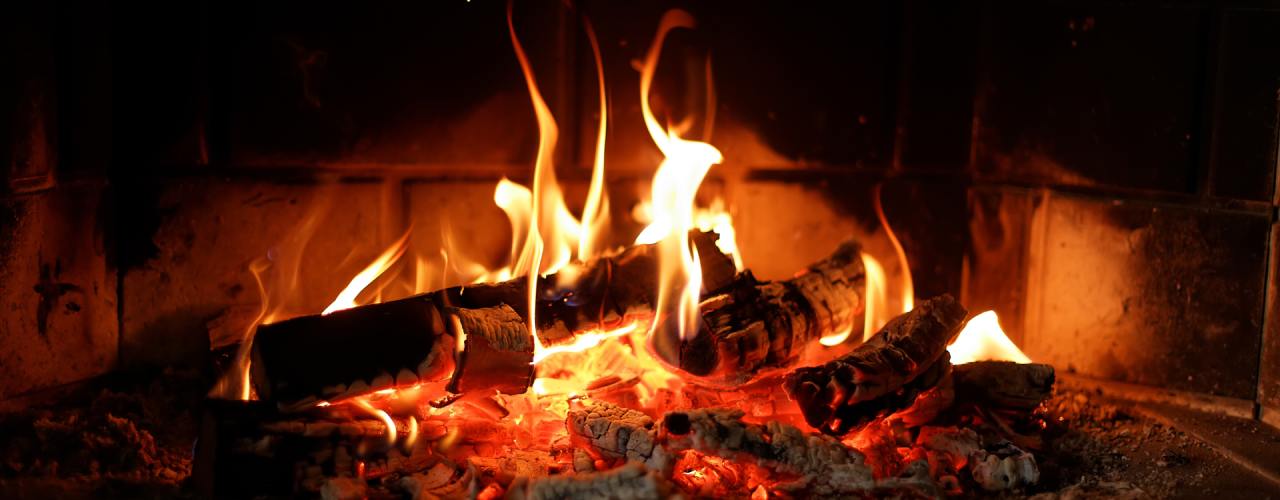
Fire risks in the winter months aren’t confined to the inside of your home. When relaxing in the backyard, always build the fire in a designated fire pit, away from tents, dry leaves, and overhanging branches.
Never leave a campfire unattended, and fully extinguish the flames before leaving the site or going to sleep. Use water or dirt to douse the fire completely, stirring the ashes to ensure no hot spots remain.
People need to understand what causes fires to ignite in order to prevent them. Knowing that fuel, heat, and oxygen are the driving factors of fires, you can identify and eliminate hazards. Stay vigilant with your heating equipment, electrical systems, and cooking habits to enjoy a safe, warm winter season.