
Working in Western Wyoming or Eastern Idaho requires grit. The weather changes instantly, and the jobs demand resilience. Whether you work in construction, oil and gas, or agriculture, specific hazards exist everywhere.
Unfortunately, preventable accidents happen often. Workers frequently lack the correct personal protective equipment (PPE) for the specific task. You must prioritize your well-being against job site dangers and harsh elements. Are you wearing the right safety gear for the job? This is the first, most important step to protect yourself.
High-Visibility Clothing Standards
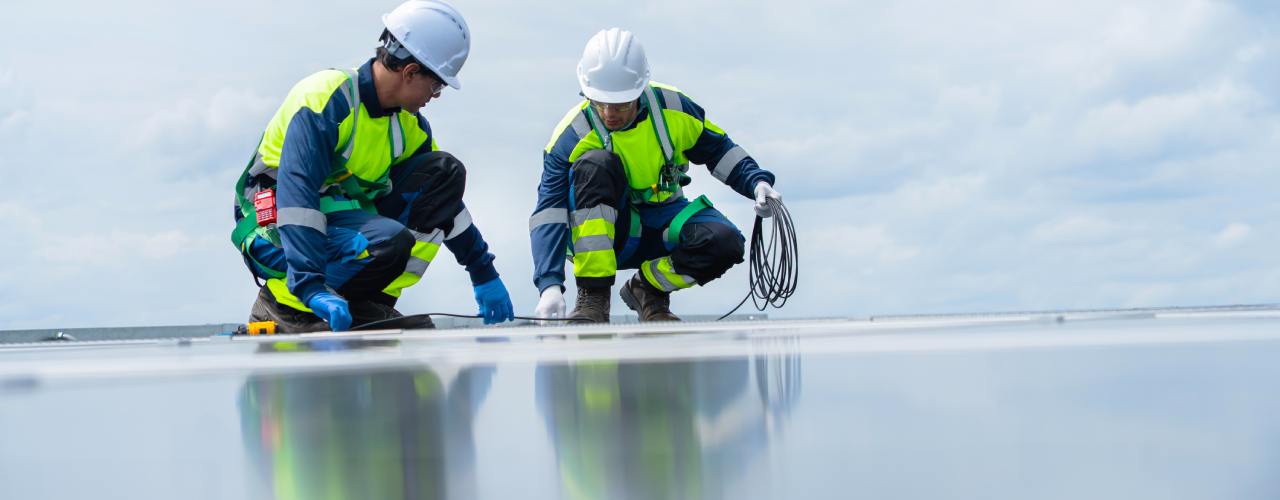
Construction sites and roadways present high risks for workers on foot. You need other drivers and heavy equipment operators to see you clearly. Visibility becomes even more critical during our long, dark winters or when summer dust kicks up. Standard orange vests might not work for every situation. Traffic speed and weather conditions dictate exactly what you need.
For example, workers near traffic traveling over 50 mph require more reflective material than warehouse workers. You should learn more about safety vest classes to make sure you select the right level of visibility for your specific environment. The American National Standards Institute (ANSI) sets these regulations to keep you safe. Wearing the correct class makes you stand out against complex backgrounds.
Protecting Your Head and Eyes
Falling objects and flying debris pose constant threats on almost any job site. A quality hard hat protects against impact, but it also safeguards against electrical shocks and burns. Check the expiration date molded into the plastic of your hat. UV rays and extreme cold degrade the material over time, which reduces its effectiveness.
Eye protection is just as important. Safety glasses prevent dust, wood chips, metal shards, and chemicals from causing permanent damage. Regular sunglasses do not offer the same protection. Look for Z87+ markings on your eyewear frames and lenses. This mark indicates that they meet high-impact standards.
Gear for the Elements and Extremities
Our region throws extreme cold, wind, and rough terrain at you. Your gear must handle sub-zero temperatures and slippery surfaces. Standard work boots often fail on icy patches or rocky ground. You need specialized footwear and hand protection to maintain control and prevent frostbite.
Consider these essential items for local conditions:
- Insulated Steel-Toe Boots: Look for aggressive tread for traction on ice and mud. Composite toes work well in winter because they do not conduct cold like steel.
- Thermal Impact Gloves: These maintain dexterity while protecting your hands from cuts, crushes, and freezing temperatures.
- Hearing Protection: Loud machinery causes cumulative hearing loss. Earplugs or earmuffs are vital around drill rigs and heavy equipment.
- Respiratory Protection: Masks protect your lungs from silica dust, agricultural particles, and welding fumes.
Ignoring safety protocols puts you and your crew at significant risk. Take a few minutes today to inspect your current equipment and make sure you have the right safety gear for the job. Replace anything that shows signs of wear, cracks, or damage. Proper gear keeps you working hard and ensures you return home safe every night.