
Construction drives our local economy here in the mountain west. From new housing developments in Idaho Falls to infrastructure projects near Jackson, the industry provides essential jobs and supports our communities. But this work comes with significant risks. Construction sites are dynamic environments where hazards exist around every corner, resulting in several common workplace injuries. Let’s look at a few.
Falls From Heights
Falls remain the leading cause of injury in the construction industry. Workers often perform tasks on scaffolding, ladders, roofs, or other elevated platforms. Even a fall from a relatively low height can result in broken bones, spinal cord damage, or traumatic brain injuries.
Lack of proper fall protection often contributes to these incidents. Safety harnesses, guardrails, and secure footing are essential. Unstable surfaces or slippery conditions due to our unpredictable Wyoming and Idaho weather can also increase the risk. Snow and ice accumulation on walkways or scaffolding creates treacherous conditions that demand constant vigilance.
Struck-By Accidents
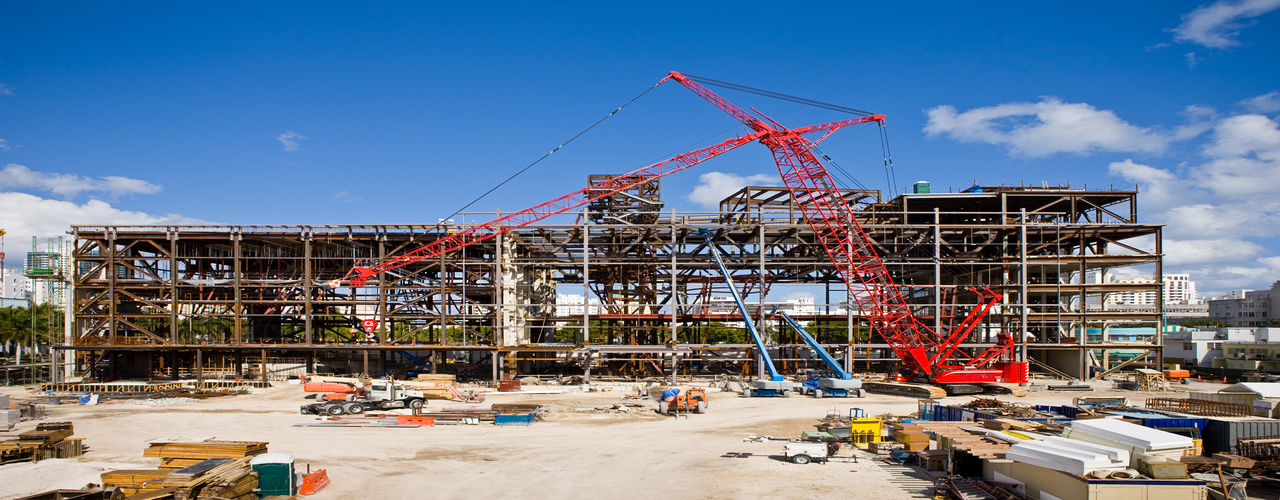
“Struck-by” incidents occur when a worker is hit by a falling, swinging, or rolling object. This category includes accidents involving heavy machinery, such as cranes or forklifts, as well as falling tools or debris from upper levels.
These injuries often happen when workers are in the blind spots of equipment operators or when materials are not properly secured. A loose hammer falling from a roof can cause severe head trauma to someone working below. Wearing hard hats and high-visibility clothing helps, but maintaining clear communication between ground crews and equipment operators is crucial.
Electrocutions
Electrical hazards pose a silent but deadly threat on construction sites. Workers frequently encounter exposed wiring, power lines, and unfinished electrical systems. Contact with high-voltage lines can cause severe burns, nerve damage, or cardiac arrest.
These accidents often occur when cranes or ladders inadvertently touch overhead power lines. Digging without checking for underground utilities is another common cause. Proper lockout/tagout procedures and treating all electrical systems as live until proven otherwise are vital safety practices.
Caught-In or Caught-Between Injuries
These injuries happen when a worker’s body part gets squeezed, crushed, or compressed between two or more objects. This is often how construction accidents happen involving heavy machinery or shifting materials.
Common scenarios include:
- Getting a hand or foot crushed between materials.
- Being pinned between a vehicle and a wall.
- Getting caught in the moving parts of unguarded machinery.
- Trench collapses where workers are buried by soil.
Repetitive Stress Injuries
Not all injuries result from a single, dramatic event. Repetitive motion injuries develop over time due to the physical demands of construction work. Constant lifting, bending, vibrating tools, and awkward postures take a toll on the body.
Back strain, tendonitis, and carpal tunnel syndrome are frequent complaints. These conditions can lead to chronic pain and long-term disability if not addressed. Using ergonomic tools, taking regular breaks, and using proper lifting techniques can mitigate the strain on muscles and joints.
Preventing these common injuries requires a commitment from everyone on the construction site. Safety training should not be a one-time event but an ongoing conversation. By staying aware of the risks and looking out for one another, construction crews in Western Wyoming and Eastern Idaho can ensure everyone makes it home safely at the end of the day.