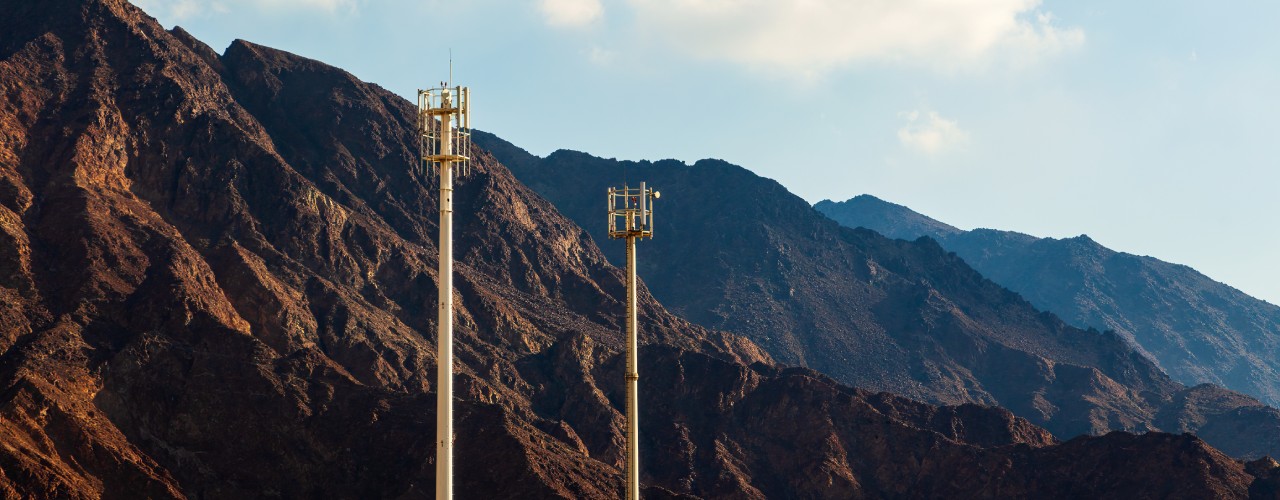

Connectivity defines modern infrastructure, yet geography often creates massive barriers for service providers. Engineers surmount these obstacles using a mix of advanced technologies and logistical planning. Understanding how telecom networks reach the most remote locations involves looking beyond the standard fiber optic cables found in dense urban centers.
Satellite Backhaul Integration
Geostationary (GEO) and low Earth orbit (LEO) satellites frequently bridge the gap for isolated communities. When terrestrial cables cannot traverse mountain ranges or oceans, satellite links transmit data between user terminals and the core network.
This method provides immediate coverage without the need for extensive ground excavation. While GEO satellites cover vast areas from a fixed point, LEO constellations orbit closer to Earth, offering lower-latency connections critical for real-time communication in challenging environments.
Microwave and Radio Links
Microwave technology offers a reliable alternative where laying physical cable proves physically impossible or cost-prohibitive. Technicians install point-to-point microwave antennas on high ground to beam data over long distances.
A line-of-sight transmission creates a network chain, effectively extending signal reach into deep valleys or across rough terrain. Modern microwave links support high-capacity data transfer, making them a staple for expanding the network edge.
Autonomous Power Systems
Remote sites rarely have access to a commercial power grid. Operators deploy hybrid energy solutions combining solar panels, wind turbines, and backup batteries to keep equipment running.
These off-grid power systems maintain continuous operation even during severe weather events or fuel supply disruptions. Remote monitoring software often accompanies these systems and allow engineers to track energy levels and battery health without visiting the site.
Strategic Infrastructure Selection
The physical hardware used in these environments must withstand extreme conditions, from arctic freezes to desert heat. Selecting the right materials prevents costly maintenance trips to inaccessible sites.
Planners prioritize structural resilience and other considerations when choosing a telecom tower manufacturer, such as load capacity and corrosion resistance. Proper hardware selection considerably extends the network’s lifespan, reducing the need for physical repairs.
High-Altitude Platform Stations
Recent advancements utilize high-altitude platform stations (HAPS). These unmanned aircraft or balloons operate in the stratosphere, functioning like telecommunication towers in the sky.
HAPS provide stable, wide-area coverage with lower latency than satellites. As a result, they fill coverage gaps in demanding conditions where ground-based towers cannot be built.
Pushing the limits of connectivity requires technical problem-solving and creative adaptation. The story of how telecom networks reach the most remote locations continues to evolve as new solutions emerge. With every breakthrough, digital access extends to more people around the world.