
Living in Western Wyoming or Eastern Idaho means you understand real cold. When temperatures drop well below freezing and the snow starts piling up, the mechanical room becomes the most vital part of your property. Most homeowners simply close the door and ignore the hum of the machinery until something stops working.
However, a lot happens behind the scenes to keep your family warm. Understanding these systems can help you appreciate the complex engineering sitting right in your basement or garage. Let’s explore a few interesting things to know about boiler rooms and their primary functions.
Boilers Have Ancient Roots
You might think central heating is a modern luxury, but the concept goes back centuries. The Romans developed early underfloor heating systems called hypocausts, which circulated hot air and smoke under raised floors.
While today’s technology is far superior, the core idea remains similar: using a central heat source to distribute warmth throughout a structure. Modern boilers use water or steam rather than smoke, making them significantly safer and much more efficient than their ancient counterparts.
They Offer Superior Zoning Capabilities
One distinct advantage boilers have over forced-air furnaces is the ability to create zones. In a forced-air system, the furnace usually blows hot air into every room, regardless of whether you are using it.
Boiler systems allow you to control the heat in specific areas using thermostats and valves. You can keep the living room toasty while keeping the guest bedroom cool. This precise control saves a significant amount of energy, which matters when our winters last for half the year.
It’s All About Directional Flow
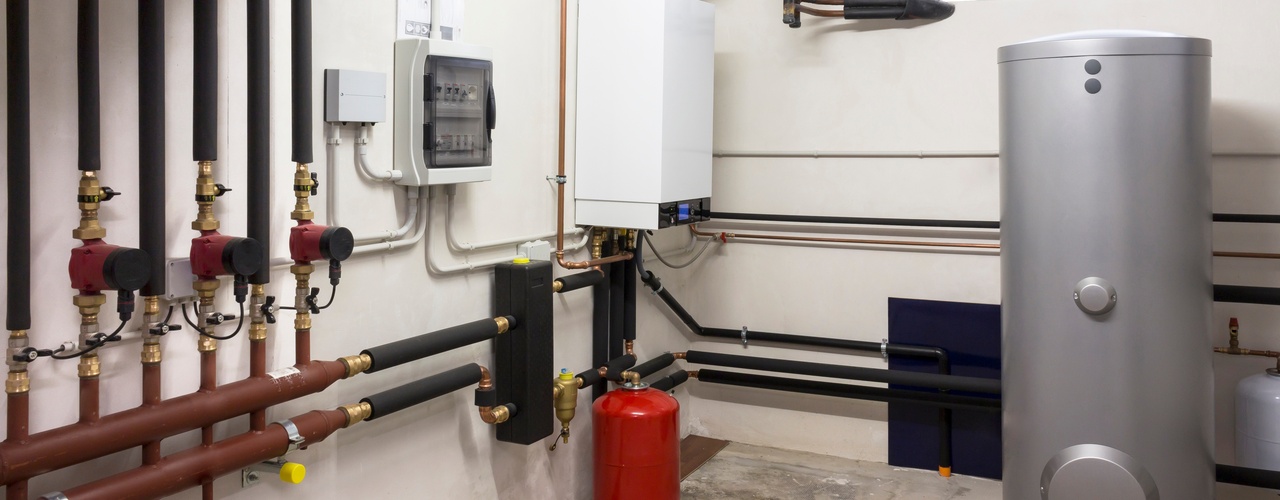
Heating the water is only half the battle; moving it safely is the other half. Your system relies on a complex network of pipes, pumps, and valves to circulate warmth. Keeping the water moving in the right direction is crucial for efficiency and safety.
Plumbers install specific components to manage this. For instance, backflow prevention in check valves ensures that water flows in only one direction, stopping contaminated boiler water from reversing into your home’s clean drinking supply. This separation is vital for your health.
Safety Is Built Into Every Component
A boiler room might look like a confusing jumble of pipes, but every piece serves a purpose, specifically regarding safety. Engineers design modern boilers with redundant safety features to prevent accidents.
Key safety components include:
- Pressure Relief Valves: These automatically open to release water if the pressure inside the tank gets too high, preventing dangerous buildup.
- Aquastats: These devices act like a thermostat for the water inside the boiler, shutting off the burner once the liquid reaches the set temperature.
- Low-Water Cutoffs: This sensor detects if the water level drops too low and cuts fuel to the burner, preventing the metal from overheating and cracking.
Interestingly, your boiler room works incredibly hard when the snow flies. It’s a sophisticated piece of machinery that blends ancient concepts with modern safety engineering. In learning how it operates, you can spot potential issues early and keep your home comfortable all winter long. Don’t take that mechanical room for granted next time you walk past it.