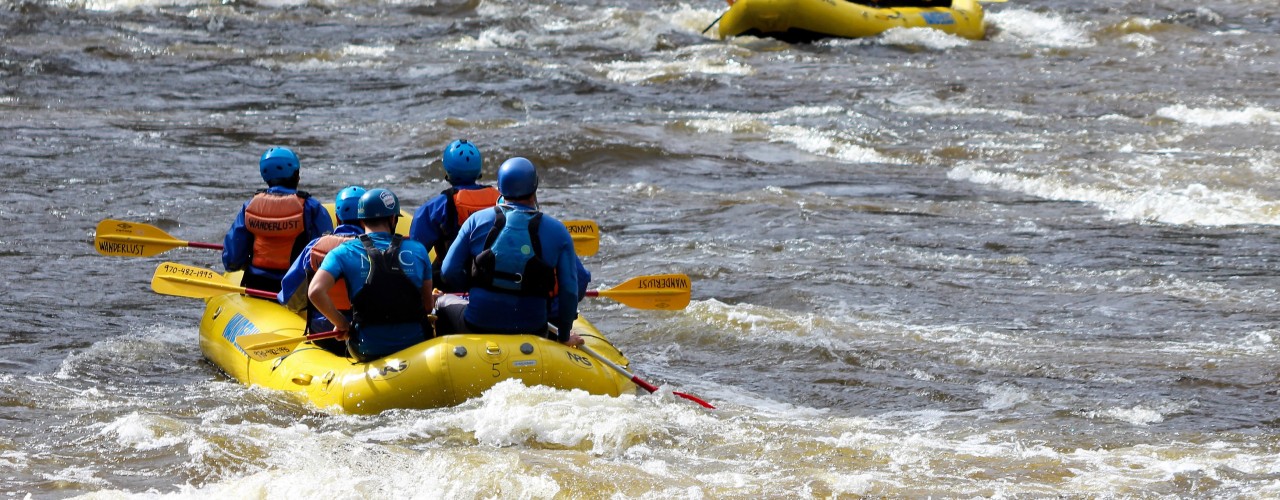

Spring in the mountain ranges of Idaho and Wyoming start with warm temperatures and longer daylight hours. Snowpack accumulated through winter begins to melt across high elevations, feeding rivers that carve through canyons, forests, and agricultural valleys. As runoff enters tributaries and main channels, water levels rise and currents strengthen, reshaping familiar waterways in a matter of weeks.
The dynamics behind snowmelt runoff explain why rapids change from year to year and why navigating swift water requires awareness of seasonal conditions. In that context, how snowmelt shapes Idaho river conditions becomes a recurring topic each spring as communities and visitors prepare for time on the water.
Mountain Snowpack and the Spring Runoff Cycle
Throughout winter, the high country of eastern Idaho collects deep layers of snow that act as a natural reservoir. When temperatures climb in late March and April, melting begins gradually at lower elevations, while alpine areas release water weeks later. Because this process unfolds unevenly across the landscape, rivers may rise steadily before experiencing sudden surges during warm spells or rain-on-snow events.
During heavy melt periods, tributaries funnel runoff into larger rivers such as the Snake and Salmon systems, producing faster currents and shifting channels. These seasonal adjustments require closer observation from anyone planning river travel or recreation during peak runoff.
Rapids Form as Flow and Terrain Interact
Rivers accelerate as water volume increases, forcing currents through narrow passages, over submerged boulders, and along uneven bedrock shelves. Rapids develop where the channel drops in elevation or where obstacles disrupt the flow, creating standing waves, chutes, and swirling hydraulics that change as water levels fluctuate.
Those unfamiliar with seasonal runoff may underestimate how dramatically rapids evolve between early spring and midsummer. Guides and river observers frequently consult resources describing navigating the river rapids in Idaho, particularly when snowmelt pushes flows above average levels. That guidance provides context for reading water patterns and recognizing hazards that may not appear during calmer months.
Local Rivers Respond Differently to Snowmelt
Since watershed size and terrain influence how quickly runoff moves downstream, not all rivers react the same way. Smaller mountain creeks rise rapidly during warm afternoons, while larger rivers fed by distant snowfields respond more gradually and keep elevated flows longer into summer. These variations illustrate why seasonal river reports and local observation remain valuable tools for anyone planning time along regional waterways.
Seasonal Awareness on Idaho Waterways
Snowmelt influences sediment movement, channel depth, and the character of rapids that attract paddlers and anglers throughout the region. As runoff subsides, rivers settle into summer patterns, revealing gravel banks and calmer eddies that the water submerged only weeks earlier.
Communities across Idaho and Wyoming have long adapted to this seasonal rhythm, recognizing that rivers behave differently during the transition from winter snowpack to summer flow. In that context, how snowmelt shapes Idaho river conditions remains an annual reminder that mountain weather and watershed dynamics continue to guide the rhythm of life along these waterways.