
• 11 proposed bills could bring tougher penalties, longer prison terms and significant changes to state law.
By Dylan Farrell
Casper Star Tribune
Via- Wyoming News Exchange
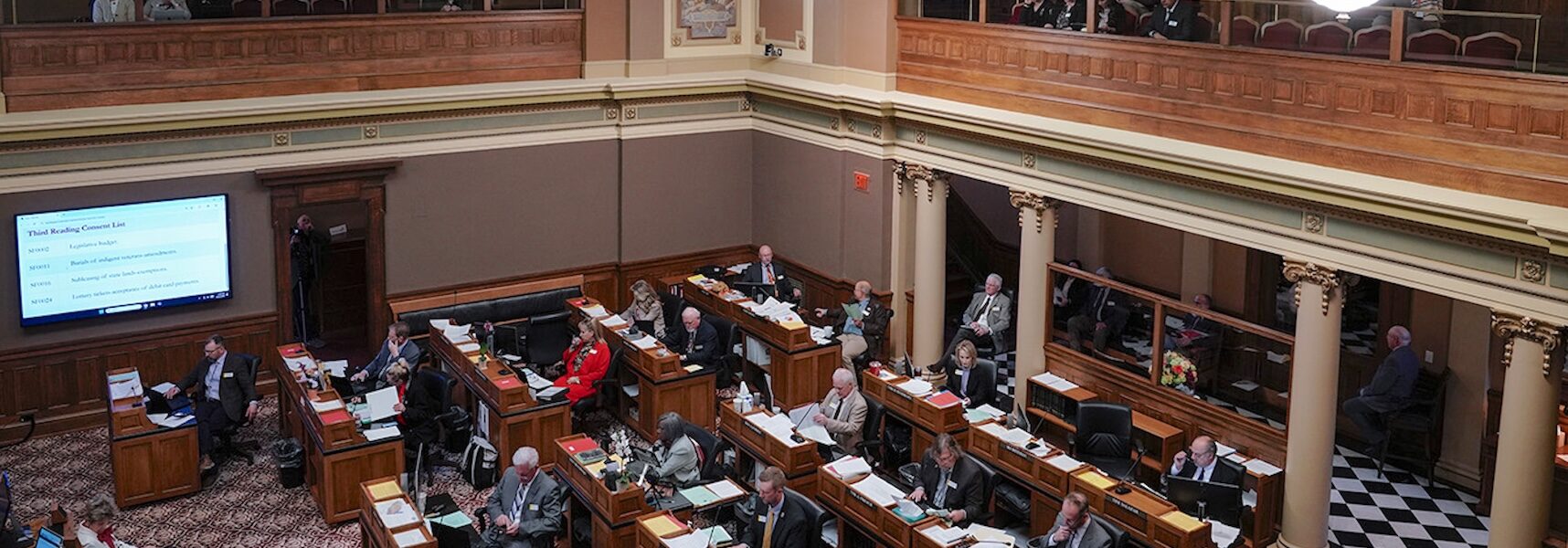
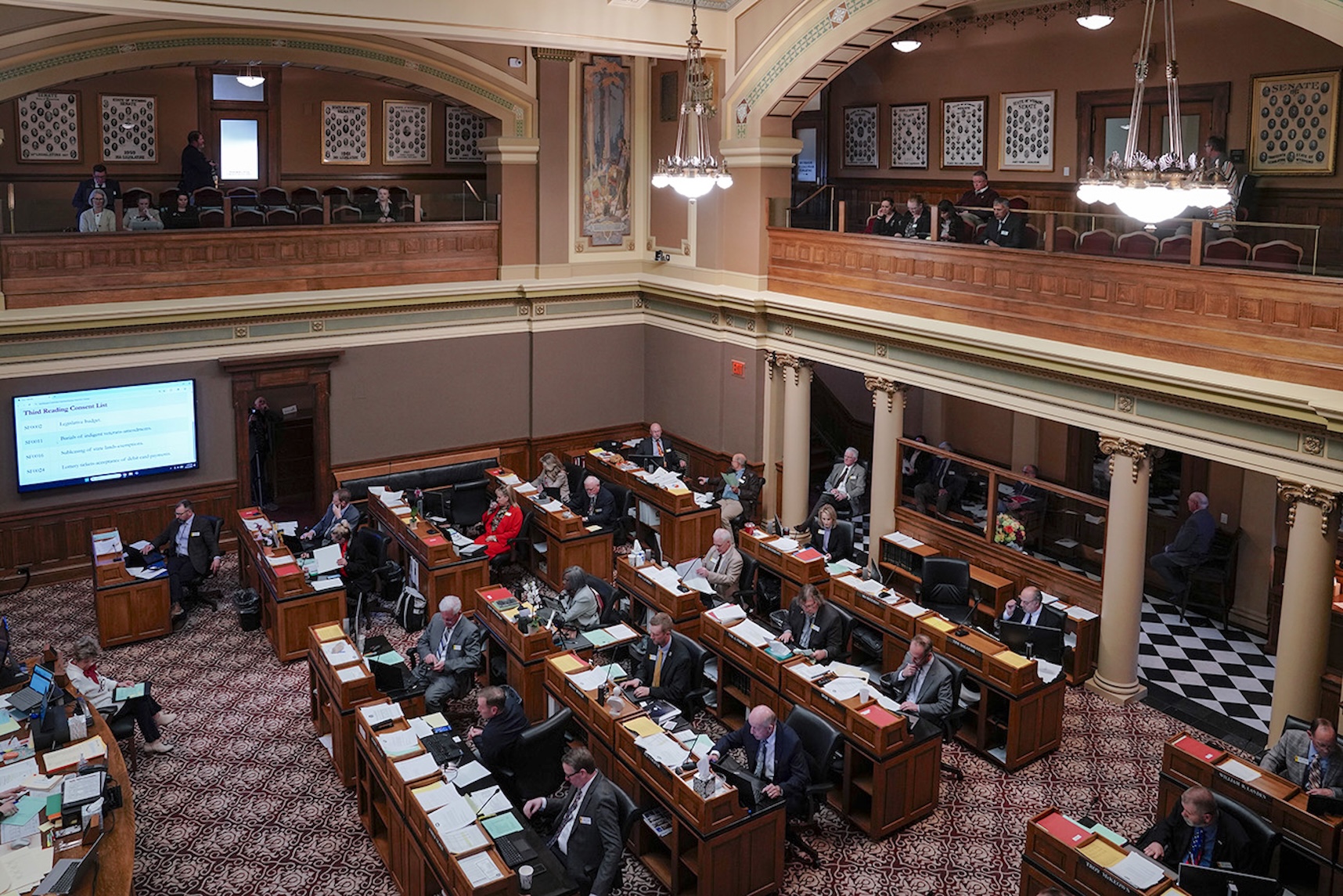
CASPER — In a series of meetings between May 12 and Oct. 27, the Wyoming Legislature’s Joint Judiciary Committee set its priorities for the upcoming session, debated bill drafts and pitched extensive changes to the Wyoming Criminal Code.
The committee sponsored a total of 11 bills between its August and October meetings, including six that amend Title 6 of Wyoming Statute, which covers the criminal code.
Their effects would be major, enacting harsher penalties for many of the state’s least and most severe crimes, including increases to most misdemeanor maximum fines, the maximum sentence for two-year felonies and the prison terms for many sex crimes and repeat offenses.
They also proposed changes to civil lawsuits that could save some litigants time and thousands in legal fees.
After being sponsored, the bills will be filed with the legislature before the next session and will be assigned to one of its chambers.
Here’s a closer look at the 11 bills, what they would change and how they could reshape Wyoming law if approved:
27LSO-0047 — Aggravated vehicular homicide
This proposed bill would add three items to a list of crimes that, if committed and resulting in someone else’s death, would qualify prosecutors to charge a defendant with aggravated vehicular homicide.
If passed, the bill would allow prosecutors to pursue aggravated vehicular homicide charges when a fatal crash involves texting while driving, fleeing or eluding police, or driving with a “canceled, suspended, invalid or revoked” license.
It would also expand eligibility for the aggravated charge to include defendants with prior convictions for reckless driving “or a similar law of another jurisdiction.”
Aggravated vehicular homicide carries a maximum sentence of 20 years in prison.
The committee voted to sponsor the bill in October.
27LSO-0050 — Anti-SLAPP bill
Titled the Uniform Public Expression Protection Act, legislators modeled the draft largely based on a framework created by the Uniform Law Commission. It’s the only bill sponsored in the interim session that would create a new article, 44, under Title 1 of Wyoming Statute.
The bill would establish a new legal process for defendants facing Strategic Lawsuits Against Public Participation, commonly known as SLAPP suits. These civil lawsuits are often brought by powerful companies or individuals against people who speak out on matters of public concern. Rather than win in court, the goal can be to silence critics by forcing them to endure the time, stress and expense of litigation.
Under the proposed procedure, defendants could seek early dismissal of lawsuits intended to stifle constitutionally protected expression. They would have 60 days after receiving the original complaint to file a motion and demonstrate that the law applies.
That could allow defendants to escape costly litigation months, or even years, before the discovery process produces enough evidence to challenge a lawsuit for lack of merit under existing procedures.
The committee voted to sponsor the bill in October.
27LSO-0051— Interference with a peace officer
The bill as approved by the Joint Judiciary Committee would add a new subsection to Wyoming’s definitions of interference with a peace officer. It imposes a prison sentence of up to five years for “a person who … refuses to submit to a peace officer who is attempting to execute a search warrant for a blood draw test or to detect a controlled substance.”
The committee voted to sponsor the bill in August.
27LSO-0116 — Guardianship clarification
This measure would create three new paragraphs clarifying which sections of Wyoming’s guardianship laws apply to minors and legal adults.
The committee voted to sponsor in August.
27LSO-0117 — Probation term for misdemeanors
This bill would allow judges to sentence defendants to up to a year of probation for all misdemeanors “unless otherwise expressly provided by statute.”
Typically, judges don’t sentence defendants to probation longer than the maximum imposed sentence, but committee members expressed a desire to give judges the ability to require more supervision if they deem it necessary.
The committee voted to sponsor in August.
27LSO-00154 and 159-163 — Title 6
The following six bills were sponsored by the Joint Appropriations Committee in October as part of its reevaluation of Title 6. They are listed in order of bill number. The committee voted to sponsor each of the following bills on Oct. 27.
Defining “life imprisonment”
Adds citations to Wyoming’s first-degree murder statute that refer to a specific definition of “life imprisonment” under W.S. 6-10-301©. That paragraph defines the terms of life imprisonment for adults and minors separately and outlines parole eligibility and how or when the governor may commute such sentences.
“Sexually based offenses”
Increases the penalties for a litany of “sexually based offenses” and changes some terminology.
The following crimes could receive greater maximum punishments: soliciting to engage in illicit sexual relations, from five years to 15 years; sexual servitude of an adult, from three years to 15 years; sexual servitude of a minor, from five years to 25 years; sexual exploitation of children for any first offense, from either 10 or 12 years to 15 years; and repeat sexual exploitation of children, from a maximum of 12 years to 30 years.
The committee amended the bill in October to address a few fines, so the online draft doesn’t entirely reflect the bill as passed. Those fines apply to sexual servitude of an adult, from $3,000 to $10,000, and sexual servitude of a minor, which would go from $5,000 to $15,000.
At the meeting, the committee also replaced the term “spouse” with “intimate partner” in the second-degree sexual assault statute. Members later adopted a definition of “intimate partner” modeled on West Virginia law, with one change: replacing the phrase “romantic or intimate” with “dating relationship.”
‘Miscellaneous’ amendments
Miscellaneous amendments include the removal of a mandatory minimum seven-day sentence for people convicted of defrauding drug or alcohol tests, an increase of fines for trespassing on closed or unsafe ski areas to $750 and the removal the possibility of jail time for skiing while impaired.
Felony consistency
One proposed measure would increase fines for a number of felonies, including but not limited to bribery and soliciting unlawful compensation. It would also change prison terms on two-year felonies to three years.
Misdemeanor fines
The committee proposed increasing fines for misdemeanor offenses that are currently set at $750 to $1,000.
Domestic battery lookback
The committee also proposed amending the state’s domestic battery statute by removing the words “within the previous five years” and “within the previous 10 years” from two paragraphs. The change would allow prosecutors to file felony domestic violence charges against those who have certain prior convictions at any point in their lives, not just the limited five-and 10-year windows that currently exist.
The above story may be used ONLY by members of the Wyoming News Exchange or with the express consent of the newspaper of its origin.