
When you’re planning a parking lot, the surface you pick affects everything from upfront costs to long-term maintenance. Therefore, it’s worth understanding your options before breaking ground. Consider the following different materials that work for parking lots to pick the right one for your project.
Asphalt: The Popular Choice
Asphalt is the go-to material for most parking lots, and there’s good reason for that. It’s relatively affordable to install and provides a smooth driving surface that handles heavy traffic well. Plus, it’s flexible enough to withstand freeze-thaw cycles without cracking as easily as some alternatives.
The black surface also helps with snow melting, which is a nice bonus in colder climates. However, regular maintenance is essential to prevent common asphalt paving issues like potholes and surface deterioration over time.
Concrete: Built to Last
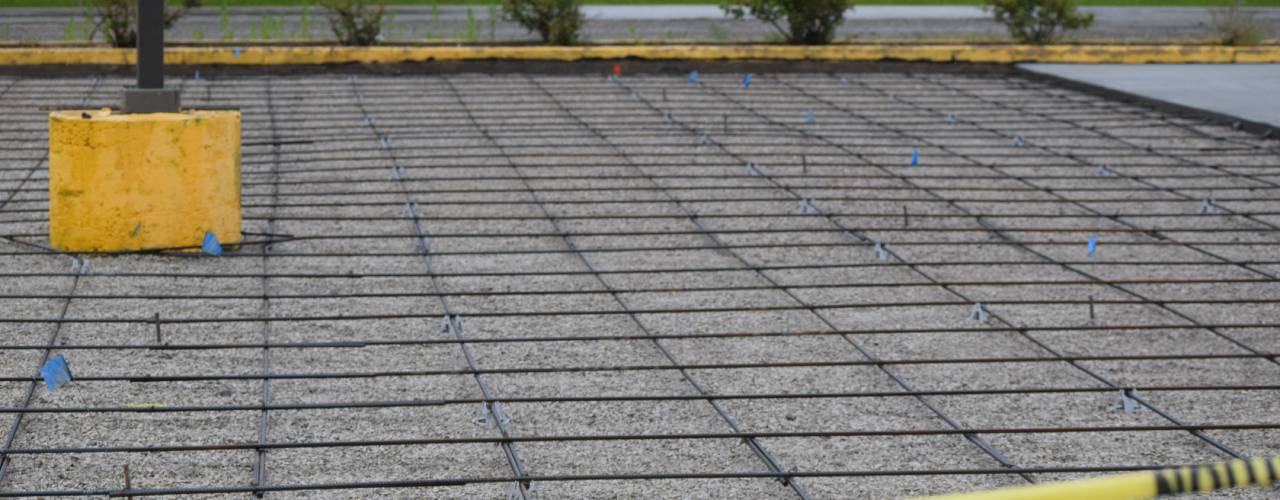
If you want durability above all else, concrete might be your best bet. This material can handle extremely heavy loads and typically lasts longer than asphalt with less frequent repairs. Concrete also reflects more light than darker surfaces, which can help reduce heat buildup.
The trade-off includes higher upfront costs and a longer installation process. Concrete also takes more time to cure properly, which could delay your lot’s opening.
Gravel: Budget-Friendly Option
For businesses on tight budgets or temporary parking needs, gravel offers an economical solution. It’s quick to install and easy to modify if you need to change the lot layout later. Gravel also provides excellent drainage, which prevents water from pooling when it rains a lot.
The downsides include ongoing maintenance needs, dust issues, and a rougher driving surface that some customers might find less appealing.
Permeable Materials: Eco-Friendly Innovation
Permeable pavers and porous asphalt are gaining popularity among environmentally conscious businesses. These materials allow rainwater to filter through the surface instead of running off into storm drains. In doing so, permeable materials dramatically reduce environmental impact.
While these options cost more initially, they can provide long-term benefits through reduced stormwater management fees and improved sustainability ratings.
Which Should You Choose?
Your choice depends on these main factors: budget, expected traffic volume, local climate, and maintenance capabilities. Consider consulting with local contractors who understand your regional conditions and can provide accurate cost estimates for each option.
Remember that the cheapest upfront option isn’t always the most economical over time. Factor in maintenance costs, expected lifespan, and how the surface will affect your customers’ experience when making your final decision.