
Teaching CPR empowers others with life-saving skills, turning everyday citizens into potential heroes during critical emergencies. Becoming a certified CPR instructor involves more than just mastering the techniques; it requires specific training, essential equipment, and a commitment to maintaining high standards.
Prepare to take the first step toward a rewarding role that makes a genuine impact on community health and safety.
Fulfill Instructor Certification Requirements
Before you can teach CPR, you must first become a certified instructor. This process begins by holding a current provider-level CPR certification from a recognized organization like the American Heart Association or the Red Cross.
Next, you will need to enroll in and successfully complete an official CPR instructor course from the same organization. This specialized training teaches you how to effectively present course material, conduct skills practice sessions, and evaluate student performance according to established guidelines. It equips you with the necessary pedagogy to translate your knowledge into accessible lessons for your students.
Acquire Essential Training Equipment
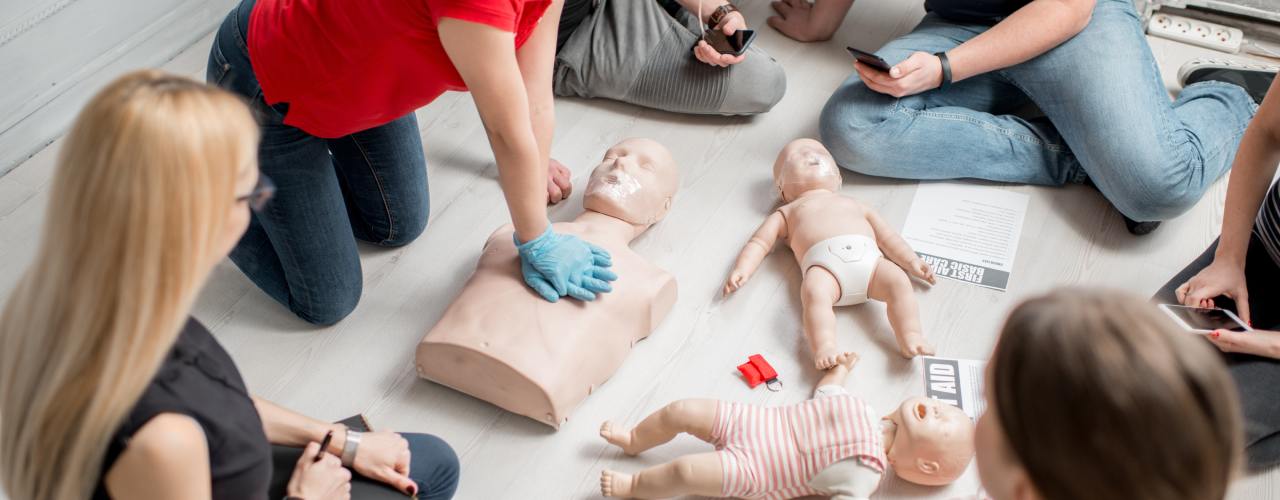
To conduct effective CPR classes, you need the right tools. Mannequins are the most critical piece of equipment, as they allow students to practice chest compressions and rescue breaths. You will need both adult and infant mannequins to cover all scenarios.
Additionally, you will need training AEDs, or automated external defibrillators, to teach students how to operate these vital devices. A well-prepared classroom should have reliable defibrillator machines to simulate real-life cardiac arrest situations accurately. Other necessary supplies include barrier devices, training valves, and first aid kits.
Organize Your Course Materials
Every CPR class you teach must follow a structured, approved curriculum. You must obtain the official instructor manuals, student handbooks, and DVDs or digital video content from your certifying organization. These materials ensure your training is consistent, up-to-date, and meets national standards.
You will also need administrative supplies like course rosters, completion cards, and evaluation forms to manage your classes professionally. Staying organized with these resources helps you deliver a seamless and comprehensive learning experience for every student.
Take the Next Step
Becoming a CPR instructor is a significant responsibility that offers immense personal and community rewards. By meeting the certification requirements, gathering the proper equipment, and using approved course materials, you can provide high-quality training that prepares others to act decisively in an emergency. Your dedication builds a safer, more resilient community where more people have the skills to save lives.