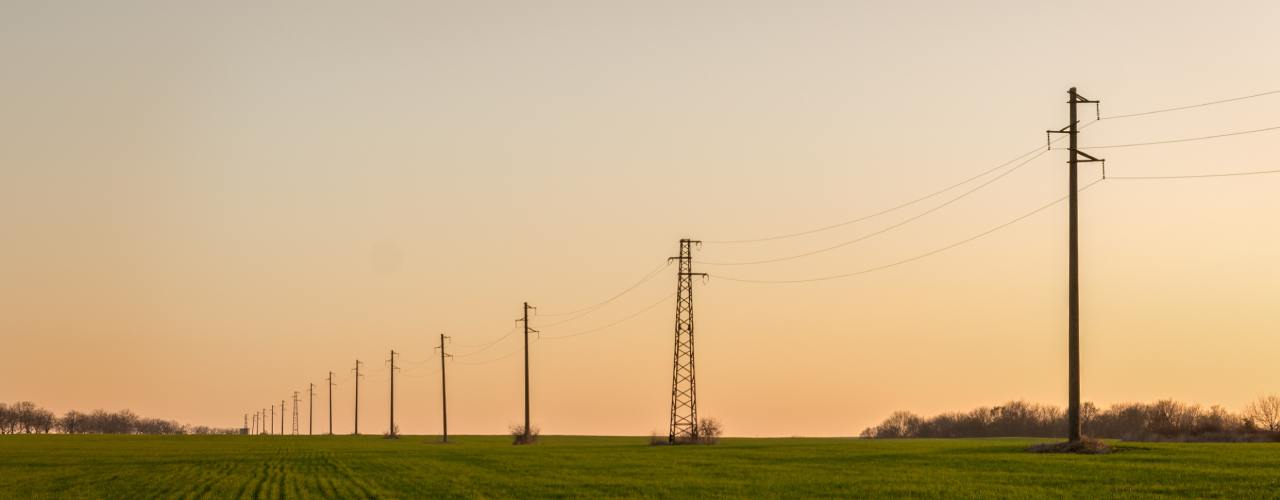

Reliable power infrastructure supports every part of modern farming communities. Farmers depend on electricity to run irrigation systems, operate machinery, and store crops safely.
Communities across Western Wyoming and Eastern Idaho rely on dependable energy to maintain food production and economic stability. When power systems work efficiently, farms operate smoothly, and rural economies remain strong.
Reliable Energy Supports Daily Farm Operations
Farmers rely on electricity throughout the entire growing season. Irrigation pumps require steady power to move water across fields during dry periods. Dairy operations use electricity to run milking equipment and maintain cooling systems that protect milk quality. Grain storage facilities also depend on power for ventilation systems that prevent spoilage.
Energy reliability allows farmers to focus on crop health and livestock management. Even short outages can disrupt feeding schedules, irrigation cycles, and refrigeration. Rural farms often operate far from backup resources or service centers. Strong power infrastructure helps prevent these costly interruptions.
Irrigation and Water Management Depend on Electricity
Water access shapes agriculture across the region’s high plains and mountain valleys. Farmers pump water from wells, canals, and reservoirs to sustain crops during dry summers. Electric pumps move thousands of gallons each hour across fields that stretch for acres. Without reliable electricity, irrigation systems cannot maintain consistent watering schedules.
Consistent power also allows farmers to use modern irrigation technologies. Smart controllers monitor soil moisture and automatically adjust watering. These tools reduce waste while improving crop yields. Reliable infrastructure allows producers to adopt these efficient systems with confidence.
Strong Power Systems Support Rural Economies
Agriculture drives many local economies. Farm operations create demand for equipment suppliers, transportation companies, and local service providers. Power infrastructure supports each part of that economic chain. When electricity remains stable, businesses across rural communities operate more efficiently.
Unique Energy Challenges in Rural Regions
Rural communities face different infrastructure challenges than urban areas. Farms often sit miles apart, which requires long power lines that cross rugged terrain. Harsh winters, high winds, and heavy snow create additional maintenance demands. Utilities must monitor large service areas while keeping costs manageable for small populations.
Energy providers in the region also work through ongoing challenges for rural electric cooperatives. Many cooperatives maintain aging infrastructure while expanding service to new agricultural technologies. They must balance affordability with system upgrades that improve reliability. Their efforts play a critical role in keeping farms powered and productive.
Practical Benefits of Reliable Power for Farmers
Reliable electricity allows farmers to adopt modern tools that improve productivity and sustainability. These advantages reach nearly every part of agricultural work. Strong infrastructure creates opportunities for innovation across rural communities.
Key benefits include:
- Consistent irrigation that protects crops during dry seasons
- Refrigeration systems that preserve milk, meat, and produce
- Automated feeding and livestock monitoring systems
- Grain drying and storage equipment that reduces losses
- Precision agriculture tools that improve yield and efficiency
These technologies allow farmers to compete in modern markets. Reliable energy ensures these systems operate exactly when producers need them.
Investing in Infrastructure Strengthens the Future
Reliable power infrastructure investments protect the future of farming communities. Updated transmission lines, substations, and grid technology improve reliability across rural regions. These improvements also support new agricultural innovations such as automated irrigation, data-driven farming, and advanced storage systems. Farmers gain greater confidence when energy systems support long-term growth.