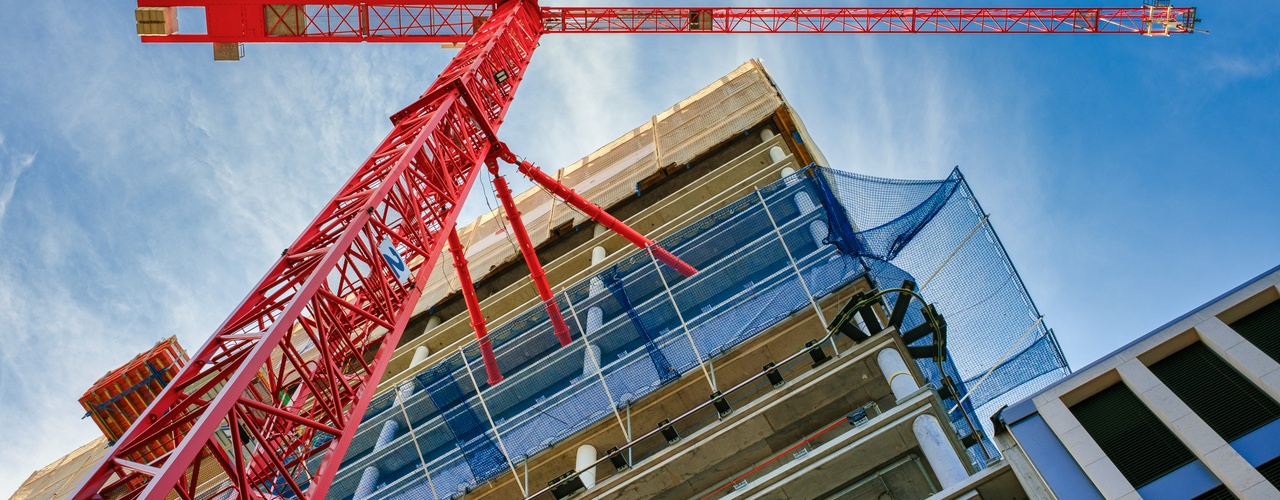

Cranes help crews move steel, trusses, HVAC units, and precast materials that would otherwise slow projects across western Wyoming and eastern Idaho. They also introduce high-consequence hazards that can turn a routine lift into an emergency within seconds.
Job sites here face wide temperature swings, gusty canyon winds, winter icing, and uneven ground that can change day to day as thaw and runoff move moisture through the subgrade. Those conditions amplify the same core crane safety risks seen nationally, but they can tighten the margin for error on setup and load handling. Keep reading to understand the most common risks for construction site cranes.
Risk 1: Contact with overhead power lines
Power line contact remains one of the most lethal failure modes in crane work because a single wrong move can energize the crane, rigging, or load. The danger rises when a site sits near distribution lines along roadways, subdivisions, or utility corridors—common in fast-growing areas and infrastructure projects.
OSHA’s crane hazard guidance highlights power line contact as a key risk to plan for before any lift begins. Crews lose clearance when something blocks the operator’s view, the load swings, the boom deflects under weight, or spotter communication breaks down.
Risk 2: Struck-by incidents from loads and moving equipment
National fatal-injury data shows that more than half of fatal crane injuries involved workers struck by objects or equipment, including loads that fell from or were put in motion by a crane. Struck-by events don’t require a collapse; a small unexpected shift can create a deadly line of fire. Improper rigging, failure to control the load path, side-loading, or allowing workers to stand inside the swing radius can put people where physics will not forgive mistakes.
Risk 3: Tip-overs and loss of stability
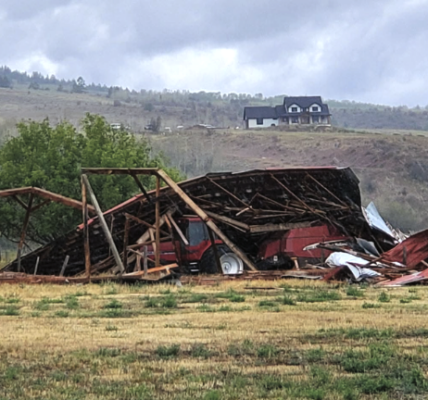
Another common risk for construction site cranes is loss of stability, also known as tip-overs. Tip-overs happen when ground conditions, outrigger support, radius, and load weight don’t match what the crane needs to stay stable. OSHA specifically calls out unbalanced or overloaded conditions as a major hazard, including collapses under excessive load.
In rural or mountainous work zones, crews may set up on sloped shoulders, compacted fill, frozen ground, or pads that degrade as temperatures change. Misreading load charts, underestimating pick radius, poor cribbing, rushing setup, or failing to reassess after weather or site changes are all common culprits of crane tip-overs. This is why conducting a pre-lift planning meeting is an important crane safety best practice to always follow.
Risk 4: Weather-driven load control problems
Wind can turn a sheeted load, truss bundle, or long pick into a sail. Gusts can push the boom, create a pendulum swing, and pull the load outside the planned path. Cold adds its own hazards by stiffening hydraulics, reducing traction for support equipment, and creating ice that changes walking and signaling conditions.
Key hazards to watch on every lift
Crane work across western Wyoming and eastern Idaho comes with predictable high-impact dangers: power line contact, struck-by incidents, tip-overs tied to setup and stability, and weather-driven loss of load control. Crews reduce exposure by treating each lift as a planned operation—confirming clearances, following load charts, verifying ground support, controlling swing radius, and keeping communication tight from the first setup check through the final placement.