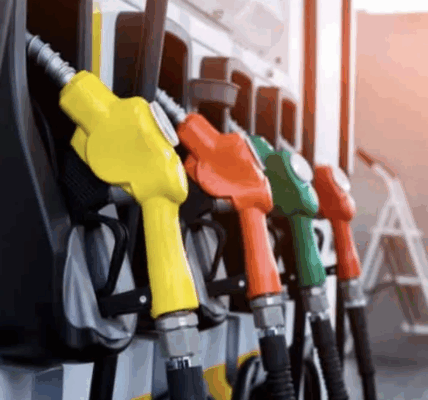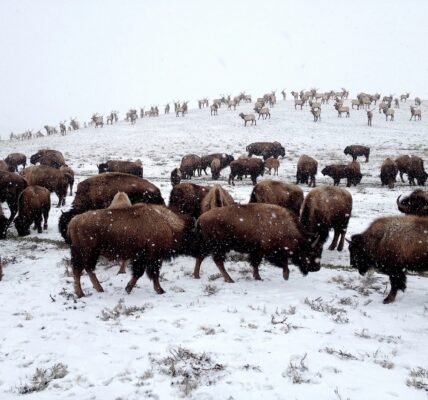

Fuel access plays a critical role in daily life across Western Wyoming and Eastern Idaho, where long distances and harsh conditions shape how people work and travel.
Whether supporting outdoor recreation, agriculture, or energy operations, managing fuel supply in remote locations requires planning, awareness, and adaptability. Here are a few key tips to make fuel management more reliable in remote conditions.
Understand Your Local Conditions
Remote environments bring challenges that directly affect fuel storage and performance. Cold winters, elevation changes, and limited infrastructure all influence how fuel behaves and how often you need to restock.
Fuel can thicken or degrade during extended cold periods, which remain common in this region. Planning for seasonal shifts helps prevent disruptions. Choose storage solutions suited for local conditions and check supplies regularly to ensure reliability when it matters most.
Plan for Distance and Accessibility
Fuel stops often sit far apart across rural highways and backcountry routes. Running low is more than an inconvenience and can quickly become a safety issue.
Careful route planning reduces that risk. Account for extra mileage, detours, and changing weather. Carrying additional fuel safely provides a necessary buffer in areas where services remain limited.
Practical Planning Tips
- Map fuel stops ahead of long trips
- Track fuel usage based on terrain and load
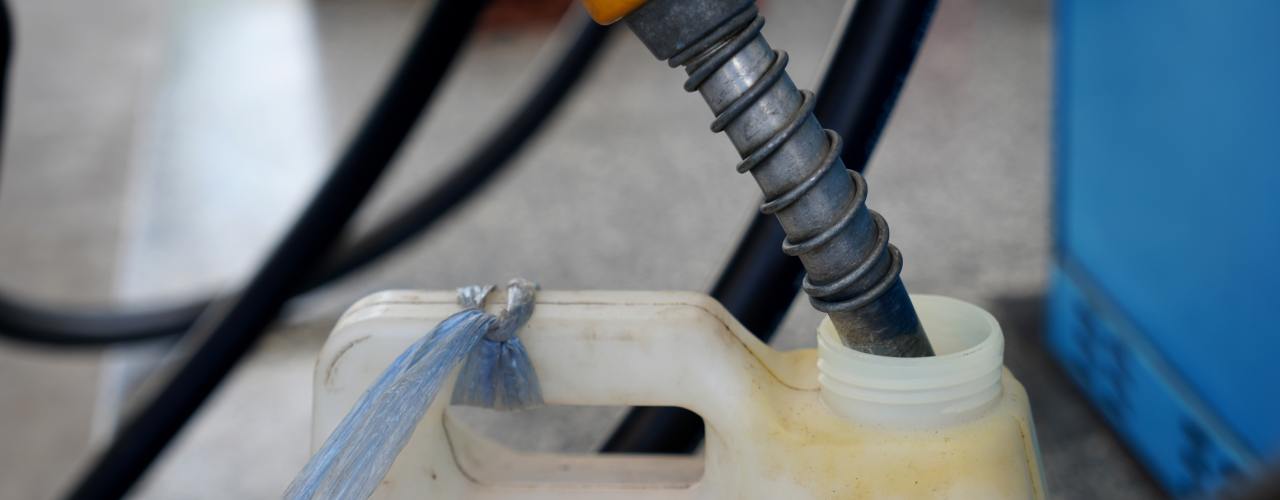
- Store reserve fuel in approved containers
- Monitor weather conditions before heading out
These habits improve consistency and help prevent unexpected setbacks.
Storage and Safety Go Hand in Hand
Proper storage protects both fuel quality and the surrounding environment. In remote areas, small mistakes can lead to costly consequences.
Keep containers sealed and away from direct sunlight or extreme temperature swings. Place storage on stable ground to reduce the risk of leaks or spills. Routine inspections help catch issues early and keep operations running smoothly.
Build Reliable Supply Relationships
Fuel access often depends on fewer suppliers in rural regions, which makes reliability essential. Establishing strong relationships supports steady delivery and better long-term planning.
In many cases, working with oil distributors safeguards assets by improving supply consistency and reducing the chance of shortages. Experienced distributors understand regional challenges and help anticipate demand during peak seasons or severe weather.
Stay Prepared for the Unexpected
Conditions can shift quickly in remote areas. Weather changes, road closures, and supply delays all impact fuel availability.
Keeping backup plans in place makes a measurable difference. Maintain emergency reserves, stay informed on local conditions, and adjust plans as needed. Preparation supports both safety and efficiency throughout the year.
A Resource That Requires Respect
Fuel provides essential support for everything from off-roading adventures to the operation of critical equipment in isolated areas. Ensuring reliable access helps maintain progress in both work and recreational activities.
By understanding and controlling fuel supply in remote locations, individuals and businesses can stay proactive rather than reactive. When approached correctly, fuel management becomes a consistent and trustworthy aspect of life in the region.