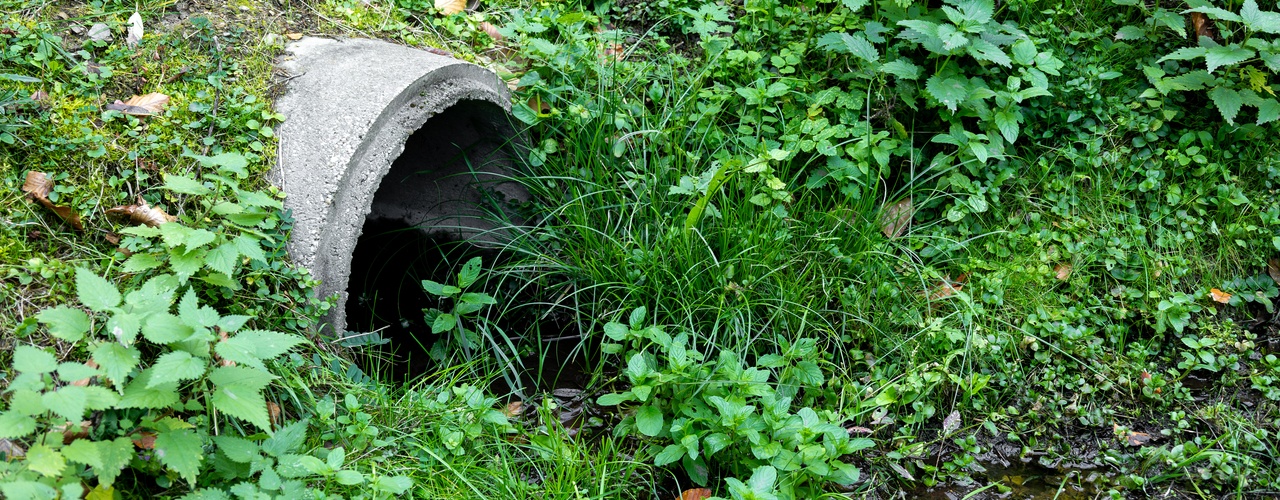

Water never needs much time to show you where your property is vulnerable. A ditch that looked fine a month ago can start backing up, cutting into the bank, or dumping water exactly where you don’t want it once runoff picks up. If you want to maintain ditches and drainage points around your land, you need to learn how to treat them like working parts of the property instead of background features you only notice when there’s a problem.
Keep Water Moving, Not Just Looking Clean
The first thing you need to do to achieve this is to make sure water can actually pass through the system without slowing down or spilling out. That means checking culvert openings, drain inlets, and low spots for silt, weeds, sticks, or windblown debris that can create a blockage faster than you’d expect. In regions where spring runoff and freeze-thaw conditions can change flow patterns in a hurry, even a partial obstruction can turn a manageable ditch into a complete washout.
Watch the Shape of the Ditch
Of course, it’s important to remember that a ditch doesn’t fail only when it clogs. It also fails when the sides start sloughing off, the bottom becomes uneven, or the channel begins cutting deeper in one section while filling in somewhere else. You should walk the line often enough to notice those changes early, because small erosion spots are much easier to correct than a bank that’s already collapsing. If one stretch keeps taking the hit, don’t just scrape it out again and hope for the best. Slow the water down, stabilize that section, and address the cause rather than the mess it leaves behind.
Control Growth Without Stripping Everything Bare
Vegetation around a ditch or drainage point can help or hurt this space, depending on how you maintain it. Thick brush, volunteer trees, and heavy mats of dead grass can trap debris and choke flow, but bare soil can wash out just as quickly once water starts moving hard. There are many ways to use a brush cutter on your land, but this is one of the better uses for them. With one, you can knock back thick growth before it turns woody and starts narrowing the channel. Just make sure you don’t cut out too much while doing this.
Pay Attention to Where Water Enters and Exits
Most ditch damage starts where water suddenly speeds up and slams into open soil, which is usually below a culvert or just past a narrow crossing. Those spots don’t stay small for long because fast flow keeps cutting the same line deeper. When you see a fresh gouge or a sharp drop forming, don’t just clear debris and move on. Reshape the outlet so the water spreads wider and loses force before it reaches bare ground. Then protect that landing area with rock or another stabilizing layer and check it again after the next runoff.