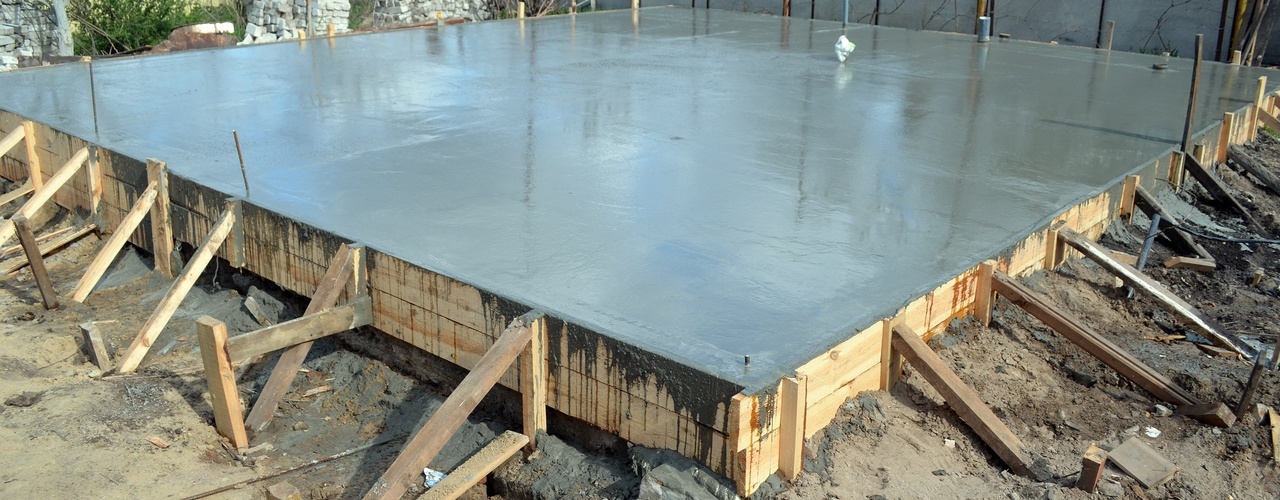

Building a home in Western Wyoming or Eastern Idaho starts long before framing begins. The foundation sets the standard for the structure above it, and local conditions can make that planning especially important. Cold winters, freeze-thaw cycles, variable soils, snowmelt, and groundwater all affect how a foundation performs over time.
Good planning helps homeowners avoid costly changes after concrete goes in. Below, we list some of the key things to consider when pouring the foundation for your home.
Start With the Site Conditions
Every homesite has its own challenges. A lot near a hillside, open field, irrigation ditch, or seasonal drainage path may need extra grading or soil evaluation before construction begins. Builders should understand how water moves across the property and how the soil reacts when it freezes, thaws, dries, or saturates.
A geotechnical review can help identify expansive soils, poor compaction, or drainage concerns. Even when local code does not require extensive testing, homeowners benefit from knowing what sits below the planned foundation.
Plan for Frost, Drainage, and Moisture
In this region, frost depth matters. Footings must sit deep enough to reduce the movement that freezing soil can cause. Contractors should follow local building requirements and account for site elevation, exposure, and soil moisture.
Drainage is another consideration when pouring the foundation for your home. Proper grading should direct water away from the home, not toward the foundation. Gutters, downspouts, perimeter drains, and backfill materials all play a role in keeping water from collecting around basement walls or beneath slabs.
Moisture protection should include vapor barriers, sealed penetrations, and careful detailing around joints. These steps help protect flooring, framing, insulation, and indoor air quality after finishing the home.
Think About Radon Before Concrete Goes In
Radon can enter a home through soil beneath the foundation, cracks, joints, sump openings, and utility penetrations. New construction gives homeowners a valuable opportunity to prepare for radon-resistant features before concrete covers the work area.
If your home’s construction site features high levels of radon, you’ll need to prep your foundation for radon barrier installation. This preparation before you pour the concrete will make the installation job much easier, affordable, and effective.
Coordinate Utilities and Future Needs
Before the pour, homeowners should confirm the locations of plumbing lines, floor drains, sump pits, electrical conduits, radon piping, and any planned basement bathroom rough-ins. Small oversights can create expensive concrete cutting later.
This stage also gives homeowners a chance to plan for future finishes. A basement that may become a living space should receive the right insulation, egress planning, drainage, and mechanical layout from the beginning.
Get the Details in Writing
Clear communication protects the project. Homeowners should ask their contractor what foundation type fits the site, how drainage will work, what moisture protections they will use, and how they will handle radon preparation.
Strong foundation planning does not guarantee a problem-free build, but it gives the home a better start. In a climate where water, soil movement, and winter conditions all matter, careful foundation decisions can support comfort, durability, and long-term value.