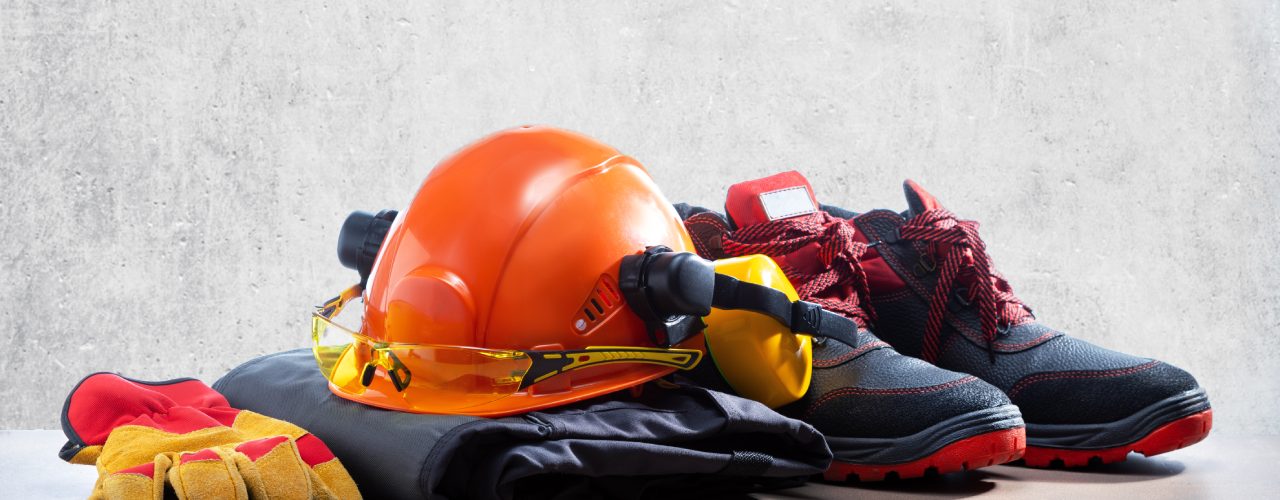

Work crews across Western Wyoming and Eastern Idaho face demanding weather, rugged terrain, and physically challenging job sites. Reliable work gear helps teams stay productive while reducing fatigue and preventable delays. Poor equipment choices often slow down projects and create frustration among workers trying to complete tasks efficiently.
Crews that invest in dependable gear usually perform better throughout long shifts and changing conditions. Explore the most common work gear mistakes costing crews productivity and how to avoid them.
Poor Footwear Slows Crews Down
Boots affect comfort, stability, and endurance during every shift on a worksite. Worn-out soles, poor ankle support, or low-quality materials can leave workers distracted and uncomfortable throughout the day. Slippery conditions around snow, mud, and gravel increase the importance of dependable footwear in this region. Workers who constantly adjust uncomfortable boots often lose focus and valuable time.
Employers sometimes overlook how much foot pain affects productivity across an entire crew. Sore feet reduce energy levels and make physical tasks feel more demanding than necessary. Waterproof materials and proper insulation also matter during colder months in Wyoming and Idaho. Quality boots help workers stay confident and focused instead of distracted by discomfort.
Gloves Need More Attention
Many crews replace gloves only after major damage appears, but smaller issues often affect performance much sooner. Worn grip surfaces, stiff materials, and poor fit can reduce control while handling tools and equipment. Workers who struggle to maintain grip usually move more slowly and carefully during routine tasks. Consistent glove maintenance helps crews work faster while protecting their hands from unnecessary strain.
Some workers also underestimate the importance of maintaining leather palm gloves for superior long grip during heavy daily use. Dirt and moisture can weaken glove performance over time if workers ignore proper care. Clean and conditioned gloves last longer while providing more dependable grip strength throughout demanding jobs. Reliable hand protection supports safety and efficiency during physically demanding tasks.
Improper Layers Hurt Outdoor Productivity
Weather conditions change quickly across Western Wyoming and Eastern Idaho, especially during early mornings and colder seasons. Workers who wear heavy layers without flexibility often overheat during active tasks and feel restricted while moving. Thin clothing without weather protection creates different problems once temperatures drop or wind increases. Smart layering allows crews to adjust quickly throughout the day without losing comfort.
Breathable outerwear and moisture-wicking materials help workers stay dry and focused during long shifts. Wet clothing can create discomfort that distracts crews from important responsibilities. Jackets with limited movement may also slow workers who need flexibility while climbing or operating equipment. Comfortable clothing helps crews maintain steady performance across changing weather conditions.
Employers who prioritize regular inspections often notice fewer worksite delays related to equipment problems. Comfortable safety gear also encourages workers to wear it consistently throughout the day. Proper visibility and reliable protection help crews maintain confidence while completing demanding tasks. Avoid these work gear mistakes if you want your crew to remain productive.