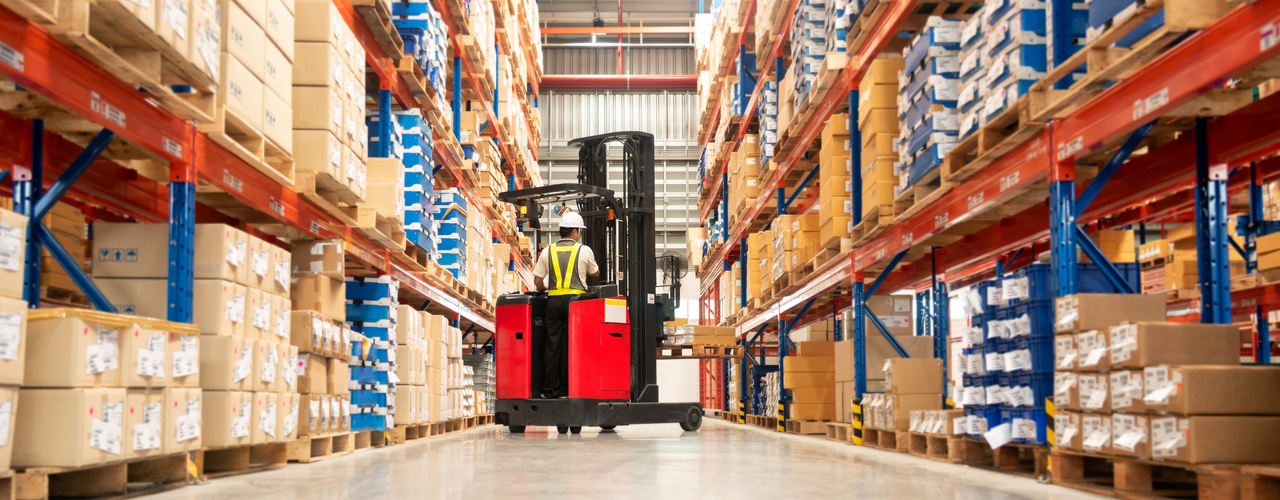

Warehouse operators continue to face hiring challenges that affect productivity, order accuracy, and customer satisfaction. Finding ways to solve labor shortages in warehouses requires a long-term approach that improves efficiency while creating a workplace where employees can succeed. Companies that combine better processes with modern technology can reduce staffing pressure without sacrificing performance.
Improve Employee Retention
Keeping experienced employees often delivers better results than constantly hiring new workers. Competitive pay, flexible scheduling, and opportunities for advancement encourage workers to stay with the company. Managers should also provide clear expectations and recognize strong performance to build a positive workplace culture. When employees feel valued, they become more engaged and help maintain steady operations during busy periods.
Streamline Warehouse Processes
Many labor shortages become more noticeable when daily workflows include unnecessary delays. Reviewing picking routes, storage layouts, and inventory organization can eliminate wasted movement throughout the facility. Faster processes allow employees to complete more work during each shift while reducing frustration. A well-organized warehouse also shortens training time for new hires because tasks become easier to understand.
Invest in Automation
Technology can handle repetitive tasks while employees focus on work that requires judgment and problem-solving. Palletizer automation can help solve labor shortages by reducing the physical demands of stacking products while increasing consistency across production lines. Automation also supports employee safety because workers spend less time performing repetitive lifting. As production demands change, automated systems help facilities maintain reliable output with fewer staffing disruptions.
Strengthen Training Programs
Effective training helps employees gain confidence and perform their responsibilities more efficiently. Cross-training allows workers to fill different roles when staffing needs shift throughout the day. This flexibility keeps operations moving even when unexpected absences occur. Ongoing coaching also improves performance because employees continue building valuable skills instead of relying only on initial instruction.
Build a Strong Hiring Strategy
Attracting qualified candidates requires more than posting open positions. Companies should highlight career growth, workplace safety, and stable employment opportunities throughout the hiring process. A faster interview process also prevents strong applicants from accepting positions elsewhere. Building relationships with local schools or workforce organizations creates a steady pipeline of future employees while strengthening community connections.
Create a More Reliable Workforce
Successful businesses understand that solving labor shortages in warehouses involves more than filling open positions. Improving retention, refining workflows, investing in automation, and strengthening training create lasting improvements that support employees and daily operations. A balanced strategy helps warehouses remain productive while adapting to changing workforce demands with greater confidence.