Forest Service’s OK to graze cattle along grizzly-filled Union Pass sparks incoming lawsuit

• Conservation groups say they’ll use Endangered Species Act to ask a court to halt grazing in a 30,000-acre area along the Gros Ventre Range.
By Mike Koshmrl, WyoFile.com
Environmental watchdogs have launched a legal challenge against the U.S. Forest Service’s decision to OK cattle grazing on allotments squarely within the most conflict-prone portion of the Greater Yellowstone Ecosystem for grizzly bears.
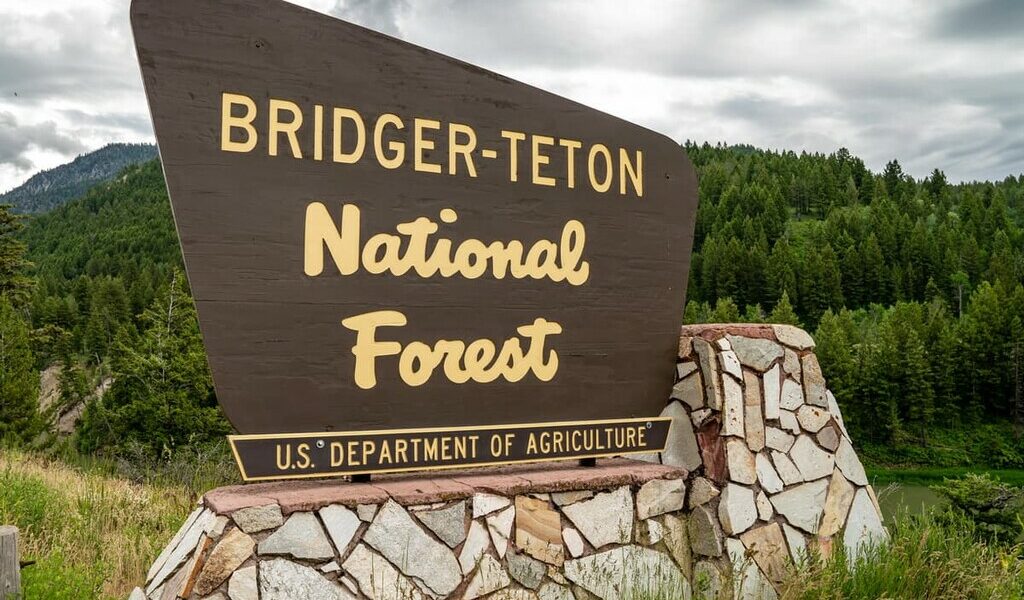
Temporary restocking of the allotments in question, known as the Elk Ridge complex, drew scrutiny earlier this summer due to the process the Bridger-Teton National Forest used — the public wasn’t notified — and because of the history of grazing in the area. In 2016, woolgrower Mary Thoman struck a deal to waive her permit to graze sheep in the complex in exchange for an undisclosed sum. Cattle grazing there would require further analysis, federal officials said at the time.
On Thursday, a coalition of environmental advocates led by the Bondurant-based Yellowstone to Uintas Connection filed an 18-page notice of intent to sue the Forest Service and U.S. Fish and Wildlife Service, arguing violations of the Endangered Species Act.
“They’re basically expanding the footprint of cows,” Yellowstone to Uintas Connection founder John Carter told WyoFile. “Now they’re going to have cows spread over 200,000 acres [in the Upper Green], and 30,000 of that is where grizzly bears have not had conflicts, because the sheep were removed.”
Cora resident and Sage Steppe Wild founder Jonathan Ratner also signed onto the pending lawsuit, and so did three Montana-based groups: Alliance for the Wild Rockies, Native Ecosystems Council and the Council on Wildlife and Fish.
At this juncture, the plaintiffs are deciding their legal arguments.
“We couldn’t get an attorney that quick, and so I did this,” said Carter, who’s an ecologist but not an attorney. “We’ll have to [hire an attorney] to go to federal court. That process is ongoing.”
Carter’s notice was addressed to U.S. Department of Agriculture Secretary Brooke Rollins, U.S. Department of Interior Secretary Doug Burgum, Forest Service Chief Tom Schultz, Bridger-Teton Supervisor Chad Hudson, U.S. Fish and Wildlife Service Director Brian Nesvik and other federal officials.
Congress requires a 60-day notice for Endangered Species Act lawsuits to help resolve disputes before litigation and give federal agencies time to act. Carter alleged the federal government violated the law when the Forest Service failed to demonstrate it properly consulted with the Fish and Wildlife Service on how the federal action would impact grizzly bears, which for now remain classified as “threatened.”
In July, Supervisor Chad Hudson provided WyoFile with an Endangered Species Act compliance document that concluded stocking cattle in the complex would “not be expected to have any additional impacts to grizzly bears.” The U.S. Fish and Wildlife Service agreed in a May letter.
“Given the proximity, it’s essentially the same bears and the same cows” as the previous grazing arrangement, Hudson told WyoFile.
The Elk Ridge grazing complex — consisting of the Elk Ridge, Rock Creek, Lime Creek and Tosi allotments — is located about 30 miles southeast of Jackson and mostly falls along the foothills of the Gros Ventre Range. The complex is hugged between allotments where the Upper Green River Cattlemen’s Association is permitted to graze up to 8,772 cow-calf pairs and 47 horses each summer.
The bought-out allotments have not been authorized for any grazing since sheep were removed in 2016. The Bridger-Teton started the process for restocking the area with cows in 2021, but did not complete its analysis.
The Cattlemen’s Association was given the OK to run up to 650 of its cow-calf pairs in the complex anyway in 2026 and 2027. The arrangement was described briefly in Bridger-Teton’s 2026 grazing plans for the Pinedale Ranger District. It’s related to the 2025 Dollar Lake Fire, Hudson said, and moving cattle to Elk Ridge is allowing adjacent fire-damaged allotments to rest and recover.
Upper Green River Cattlemen’s Association President Coke Landers told WyoFile in a Friday text message that he plans to take advantage of the deal and run cows in the disputed 30,000 acres. He stood behind the process the Bridger-Teton used to OK the restocking and remarked that he was “not surprised” by the potential lawsuit.
“That’s how those organizations survive,” Landers wrote.
Ratner, one of the expected plaintiffs, says the Bridger-Teton didn’t accurately depict its plans during the Endangered Species Act compliance process.
“Their original consultation was for moving cows from one place to another,” Ratner said. “What they did was completely different.”
Bridger-Teton’s 2026 grazing plans still allow for cattle grazing in the Gypsum allotment rotation, which was hardest hit by the Dollar Lake Fire, he said.
“The Forest Service lied,” Ratner said. “When an agency lies, that’s arbitrary and capricious decisionmaking.”
Bridger-Teton National Forest officials declined comment for this story, citing the potential for litigation.
Cattle grazing in the Upper Green has spurred litigation in the past. Calves that roam the historic 267-square-mile grazing area are especially prone to chronic grizzly depredation, which leads, in turn, to many bears being killed. In 2019, federal wildlife managers OK’d up to 72 grizzly bears being killed as a result of the conflict. That decision was litigated, and in 2023 environmental groups claimed a partial victory.
A 2025 estimate indicated Upper Green cattle grazing could cause the “incidental take,” or death, of up to 40 grizzly bears between 2025 and 2034. There have been repeated attempts to reduce conflict, but in recent years the cattle-bovine bloodshed has worsened.
WyoFile is an independent nonprofit news organization focused on Wyoming people, places and policy.
The above story may be used ONLY by members of the Wyoming News Exchange or with the express consent of the newspaper of its origin.