U.S. Fish and Wildlife anticipates adverse impacts on grizzlies from Moose-Wilson pathway

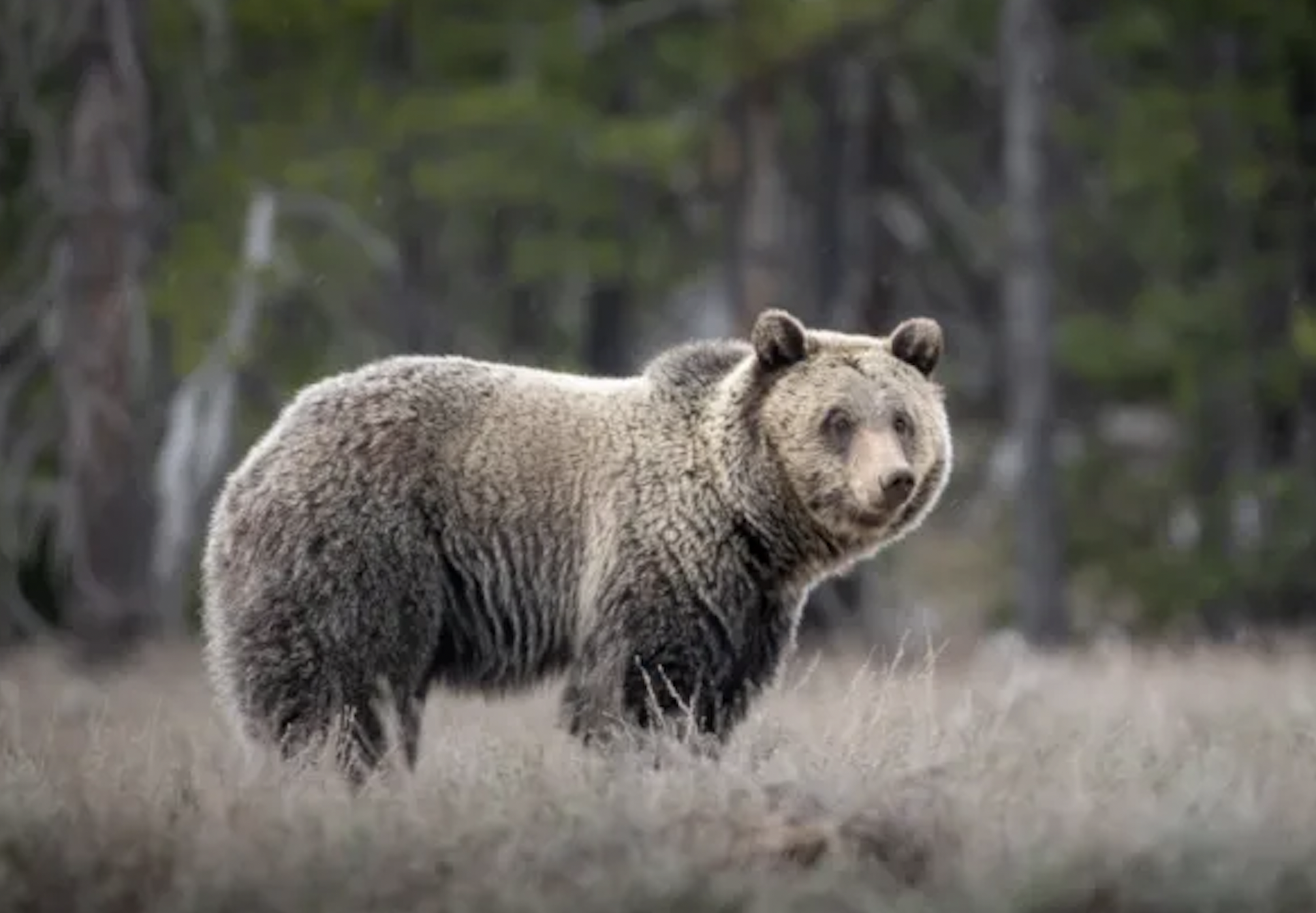
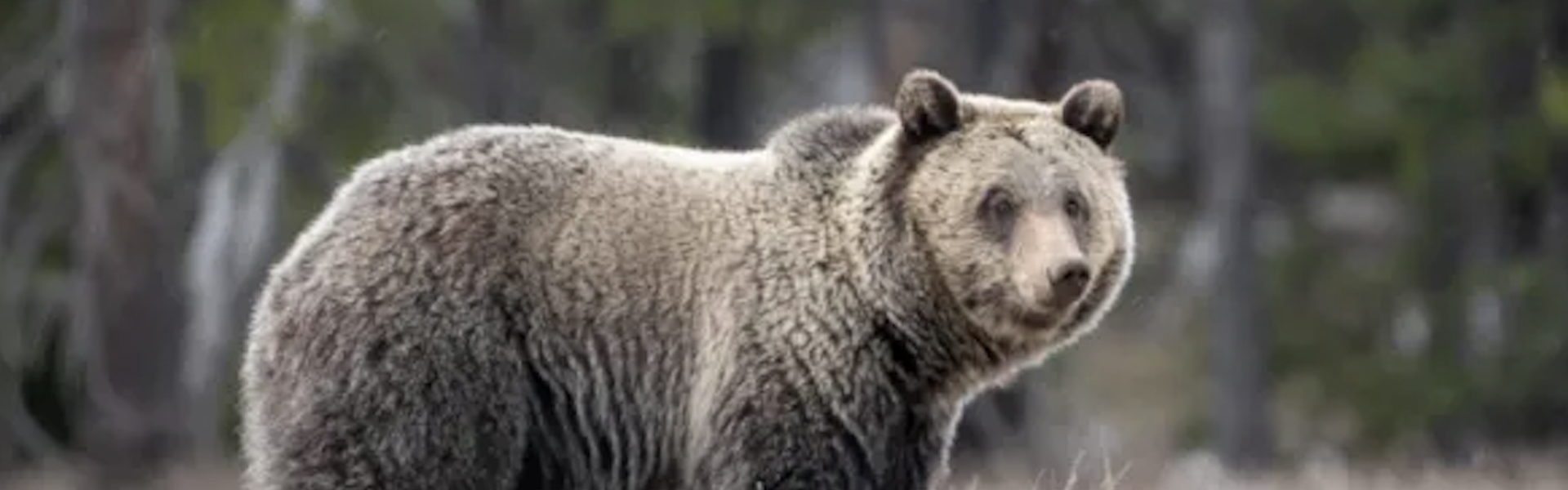
JACKSON (WNE) — An updated analysis by the U.S. Fish and Wildlife Service found that building a separated bike path along Moose-Wilson Road in Grand Teton National Park would negatively impact grizzly bears, due to construction activity and increasing human use of the corridor.
The agency’s analysis of the impacts, released last week as part of the park’s announcement that it would move forward with the project, found that construction of the path would adversely affect grizzly bears but would not jeopardize their persistence as a species, making it permissible.
The updated analysis came as part of Teton park’s reconsideration of the project, which was quashed by park officials in 2016 and revived as the Trump administration prioritizes recreation on public lands.
Park service officials’ reconsideration of the pathway primarily relied on environmental impact work completed prior to 2016, but included an updated wetlands survey, aquatic resources inventory and analysis of grizzly bear impact. The Fish and Wildlife Service’s analysis comes as community members and various advocates disagree over costs and benefits of the project.
The Fish and Wildlife Service found four broad categories of impact, including displacement of bears due to habitat fragmentation, alteration or removal; injury or death caused by construction vehicles; and increasing frequency of human-bear encounters that could lead to removals. Grizzly bears frequent the stretch of road between the Laurance S. Rockefeller Preserve and Moose during late summer and fall, according to the agency.
The pathway will be next to the established road, which will limit habitat fragmentation and concentrate human activity, according to the agency.
But construction activity, which is anticipated to last for five years, will impact bears due to noise and human presence. Bears avoiding construction work could be temporarily or permanently displaced, according to the agency. Some food sources along the corridor could become inaccessible to bears into the future as they avoid increased human presence.
The above story may be used ONLY by members of the Wyoming News Exchange or with the express consent of the newspaper of its origin.