
Radon mitigation work requires precision, organization, and reliable equipment. Contractors need tools that help them assess a structure, install an effective system, seal problem areas, test performance, and complete each job with professional results.
When radon mitigation contractors have the right tools, they work more efficiently from one property to the next. When crews can reach for the right equipment without improvising, they can spend more time solving airflow problems and less time searching for a workaround.
Radon Testing Equipment
Every mitigation project starts with accurate information. Radon testing equipment helps contractors understand existing conditions and gives them a clearer picture of how much correction a property may need.
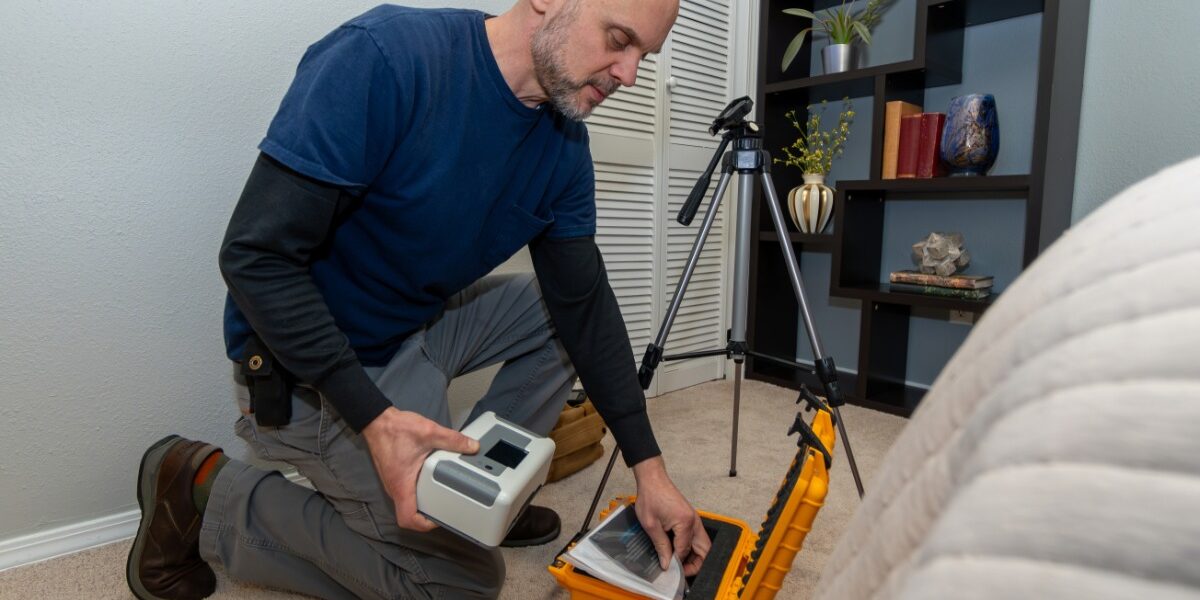
Contractors often use continuous radon monitors for detailed readings over a set period. These devices can track changes over time and help identify patterns that may influence system design.
Portable monitors also support diagnostic work before and after installation. Contractors can use the results to confirm performance, compare areas within a building, and decide whether additional adjustments make sense.
Pressure Measurement Tools
Pressure plays a central role in radon mitigation because most systems depend on creating negative pressure beneath a slab or membrane. A digital micromanometer helps contractors measure very small pressure differences and evaluate how air moves through the structure.
These readings help contractors identify suction zones and determine whether one suction point can cover the needed area. They can also use pressure measurements to check communication between test holes before cutting larger openings.
A dependable micromanometer becomes especially valuable when a property has multiple slab sections, additions, or unusual foundation conditions. It gives contractors concrete information instead of forcing them to rely on guesswork.
Drills and Coring Equipment
Radon mitigation often requires contractors to cut through concrete, block, wood, and other building materials. A high-quality rotary hammer or hammer drill provides crews with the power needed for test holes, anchors, and smaller penetrations.
Larger suction points may require a core drill and the appropriate bit. Contractors should choose equipment that can handle repeated use without overheating or slowing down during demanding installations.
Keeping several bit sizes on hand also makes fieldwork easier. Different foundation materials and pipe sizes can call for different openings, so flexibility helps contractors adapt without unnecessary delays.
Shop Vacuums
Concrete drilling and suction pit excavation can create dust, loose aggregate, and other debris. A strong wet-dry vacuum helps contractors keep the work area cleaner while removing material from beneath a slab.
Contractors can also use the vacuum to clear loose debris from suction pits before installing pipe. Cleaner openings make it easier to inspect the cavity and create a useful airflow path beneath the foundation.
Choose a vacuum with enough capacity for frequent field use. A long hose and compatible attachments can also help crews reach tight spaces around mechanical rooms, basements, and crawl spaces.
PVC Cutting Tools
Most radon systems rely on PVC piping to move soil gas from beneath the structure to a safe discharge point. Contractors need reliable cutting tools that create clean, square pipe ends for secure connections.
A ratcheting PVC cutter works well for some pipe sizes, while a reciprocating saw can handle larger or more difficult cuts. Contractors may also use deburring tools to smooth rough edges before assembling fittings.
Clean pipe preparation improves the quality of the finished installation. It also helps contractors create a neater system when pipes run through finished areas, utility rooms, garages, or exterior walls.
Sealants and Caulking Tools
Radon can enter through cracks, joints, openings, sump covers, and gaps around utility penetrations. Contractors often seal these areas to support pressure control and reduce unwanted air leakage.
A durable caulking gun helps apply polyurethane or other appropriate sealants with better control. Contractors may also need putty knives, wire brushes, scrapers, and cleaning tools to prepare surfaces before applying sealant.
Surface preparation deserves attention because dust and loose debris can interfere with adhesion. A contractor who takes time to clean each area can create a tidier and more durable finish.
Smoke and Airflow Tools
Smoke pencils, smoke tubes, or similar airflow tools help contractors see air movement around cracks, doors, drains, and other openings. These simple tools can reveal leaks that might otherwise escape notice.
Contractors can use visible airflow to explain system behavior to property owners as well. Showing how air moves around a foundation can make a technical process easier to understand.
When crews combine smoke testing with pressure measurements, they gain a more complete view of the building. That combination can guide sealing decisions and help refine system performance.
Pipe Support Equipment
A radon system needs secure pipe supports throughout the installation. Contractors should carry pipe straps, clamps, anchors, screws, and fastening tools that suit several surface types.
A cordless drill or impact driver makes installation faster when crews need to secure long pipe runs. Levels and measuring tools also help contractors keep piping aligned and maintain a clean appearance.
Professional-looking pipework can influence how customers view the overall quality of the job. Straight runs, secure brackets, and thoughtful routing show care even when the system sits in a utility area.
Fan Installation Tools
Radon fans drive the airflow that allows active systems to reduce radon entry. Contractors need tools for mounting fans, connecting flexible couplings, tightening clamps, and supporting adjacent piping.
Nut drivers, socket sets, screwdrivers, and adjustable wrenches cover many common installation tasks. A compact cordless tool kit can reduce trips back to the vehicle when crews work in attics, garages, or exterior locations.
Contractors should also keep manufacturer installation instructions accessible. Each fan has specific operating requirements, and careful installation helps the system perform as intended.
Electrical Testing Gear
Some contractors coordinate with licensed electricians, while others work within the electrical tasks that local rules allow. In either case, basic electrical testing equipment can help identify available power and detect problems around existing components.
A voltage tester and multimeter can provide useful information when contractors inspect a proposed fan location. Crews should stay within applicable licensing requirements and avoid electrical work that falls outside their permitted scope.
Contractors who plan to start their own radon mitigation business should learn local electrical and building requirements early. Clear knowledge of those boundaries helps prevent costly installation changes and scheduling problems.
Crawl Space Tools
Crawl spaces create a different set of challenges than slab foundations. Contractors may need heavy-duty membrane material, seam tape, adhesive, utility knives, rollers, and fastening supplies for submembrane depressurization systems.
Knee pads, portable lighting, and compact tools also make crawl space work more manageable. Tight conditions can slow a crew down quickly when equipment feels bulky or difficult to reach.
A headlamp can provide dependable light without tying up a hand. Contractors can pair it with a portable work light when they need broader illumination across a large crawl space.
Safety Equipment
Radon mitigation work can involve drilling, dust, ladders, confined areas, sharp tools, and heavy equipment. Contractors need safety glasses, work gloves, hearing protection, respirators when appropriate, and sturdy footwear.
Knee protection can help during extended work on concrete floors or inside crawl spaces. Contractors should also carry first-aid supplies and inspect ladders before using them on each job.
Good safety habits support consistent work. Crews can move more confidently when they use equipment that fits properly and matches the task.
Diagnostic Extras
Small diagnostic tools can save significant time during unusual jobs. Flashlights, inspection cameras, stud finders, infrared thermometers, measuring tapes, and moisture meters can help contractors learn more about hidden building conditions.
An inspection camera can help crews examine difficult cavities or confirm routing options before opening a larger area. A stud finder can also reduce unnecessary wall damage when contractors plan pipe penetrations.
These tools may not appear on every job, but they can become extremely useful when a structure presents an unexpected obstacle.
Build a Smarter Tool Kit
The best radon mitigation tool kit combines measurement equipment, drilling tools, pipe installation gear, sealing supplies, airflow diagnostics, and dependable safety equipment. Contractors don’t need every specialty tool on day one, but they should invest in reliable equipment that supports accurate, efficient work.
A well-organized setup also makes fieldwork easier as the number of projects grows. When contractors know where every tool belongs and carry equipment that fits the work, they can approach each property with greater confidence and deliver a cleaner, more professional installation.