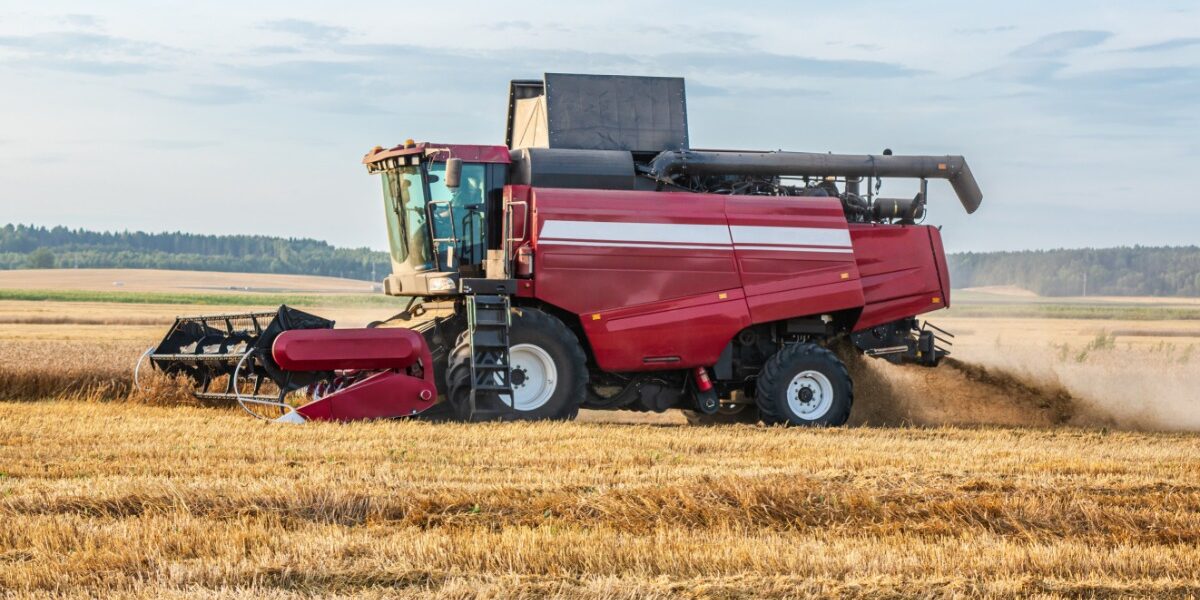

A dense hay crop can be good news for producers, but it also puts more strain on balers, mowers, rakes, belts, bearings, and driveline components. In Western Wyoming and Eastern Idaho, where harvest windows can tighten quickly because of afternoon storms, changing humidity, or early-season frost risk, equipment problems can turn a productive field into an expensive delay.
Producers looking to prepare farm equipment for heavy crop condition heavy crop conditions should go beyond basic lubrication and fuel checks. Belts, fasteners, pickup components, cooling systems, and operating settings all deserve closer attention.
Inspect Baler Belts Before Harvest
Baler belts face continuous tension, flexing, heat, and crop pressure. A heavy windrow increases those demands, particularly when material enters the chamber faster than the machine can form a uniform bale.
Start by inspecting the full length of each belt. Look for frayed edges, deep cuts, cracking, glazing, uneven stretching, and damaged splice areas. A belt that looks serviceable under light use may fail once crop density increases.
Check belt tracking as well. Misaligned belts can rub against guides or neighboring belts, accelerating edge wear and creating additional heat. Correct tracking problems before starting harvest rather than relying on adjustments once the machine is already working under load.
Pay Close Attention to Belt Splices and Fasteners
Splices can become a weak point when baler belts handle dense, high-volume material. Inspect fasteners for bending, wear, missing components, or signs that the belt material around the splice has begun to deteriorate.
Fastener selection should match the workload and belt construction. Producers evaluating repairs or replacement options can review information about clipper fastener strength for heavy crops to better understand how fastener design relates to demanding baling conditions.
Service Pickup Components Thoroughly
Heavy windrows place extra pressure on pickup systems because more material must move smoothly from the ground into the bale chamber.
Examine pickup teeth for bending, breakage, and excessive wear. Replace damaged teeth before they begin leaving crop behind or feeding material unevenly. Inspect tooth bars, cam tracks, bearings, and other hardware for looseness or play.
Check pickup height before entering the field. Running the pickup too low can increase soil intake, damage teeth, and add unnecessary load. Running it too high may leave valuable forage behind.
Check Bearings and Rollers
Bearings that perform adequately during lighter cutting can heat quickly when equipment works harder.
Rotate accessible rollers and shafts by hand before operation. Listen for grinding, clicking, or rough movement. Check for excessive play and inspect bearing seals for damage.
During harvest, monitor bearing temperatures according to the equipment manufacturer’s recommendations. Unusual heat can signal lubrication problems, contamination, misalignment, or bearing wear.
Clean Cooling Systems and Engine Compartments
Farmers can prepare their equipment for heavy crop conditions without giving the cooling system and engine compartments a thorough cleaning. Heavy crop conditions can increase engine load, hydraulic demand, and operating temperature. At the same time, dry hay, chaff, and dust can restrict airflow through radiators and screens.
Clean radiator fins, intake screens, oil coolers, and condenser surfaces before starting work. Continue checking them during the day, especially when dry material accumulates quickly.
Do not use excessive air pressure that could damage radiator fins. Follow the manufacturer’s cleaning instructions and direct debris away from sensitive components.
Keep engine compartments free of crop residue as well. Dry plant material near hot exhaust components can create a fire hazard. Carrying properly maintained fire extinguishers on tractors and harvesting equipment adds another layer of protection.
Review Hydraulic Systems
Hydraulic systems control essential functions on many balers and hay tools. Higher crop volumes can increase the frequency and duration of hydraulic operation.
Inspect hoses for abrasion, cracking, bulging, leaking fittings, and damaged protective sleeves. Pay particular attention to areas where hoses pass near moving parts or sharp edges.
Check hydraulic fluid levels according to the equipment manual. Low fluid levels or contaminated oil can reduce performance and accelerate component wear.
Adjust Equipment for Crop Density
Machine preparation does not end in the shop. Operators should also adjust field practices when the crop becomes heavier than they expect.
Ground speed represents one of the most important variables. Driving at the same speed you would for a light crop may overload the pickup or bale chamber. Slowing down can allow the machine to process material more consistently and may reduce plugging.
PTO speed should remain within the manufacturer’s recommended operating range. Reducing engine speed excessively to compensate for heavy crop flow may cause other components to work outside their intended conditions.
Keep Knives and Cutting Components Sharp
Mowers, mower-conditioners, and other cutting equipment must handle more stems when stands are thick.
Inspect knives, discs, guards, and cutting surfaces before harvest. Dull or damaged components require more power and may leave ragged cuts.
Replace damaged knives in matched sets when manufacturers require it to preserve balance. Check knife hardware and mounting points for wear.
Prepare for Plugs Before They Happen
Dense material increases the chance of plugging pickups, feeders, mowers, and balers.
Review safe unplugging procedures before harvest starts. Shut down equipment completely, disengage the PTO, stop the engine, remove the key, and wait for moving parts to stop before approaching a blockage.
Never attempt to pull crop from moving machinery.
Operators should also identify the field conditions that create plugs. Large windrow intersections, sharp corners, wet spots, and uneven raking can suddenly increase crop volume. Adjusting speed before reaching those areas can prevent repeated stoppages.
Stock Critical Parts and Tools
A small inventory of replacement parts can prevent a minor failure from ending an entire workday.
The most useful supplies depend on the equipment, but commonly stocked items may include pickup teeth, belt splice components, shear bolts, chain links, guards, bearings, hydraulic fittings, and hardware specific to the baler.
Keep the installation tools for those components with the service vehicle or in an accessible farm location. The right replacement part provides little value if the necessary tool is miles away.
Before harvest, confirm that manuals, torque specifications, and equipment diagrams are easy to access. Digital copies can provide backup if paper manuals remain in another tractor or shop.
Watch Equipment Closely During the First Acres
The first field provides an opportunity to confirm the benefit of preseason maintenance.
Stop after the machine reaches normal operating temperature, then inspect belts, bearings, chains, hydraulic connections, and fasteners. Look for new rubbing marks, loose hardware, leaks, unusual heat, or crop buildup.
Adjust early rather than waiting for a problem to become obvious from the tractor seat.
Heavy yields can reward producers with more forage per acre, but they also reveal weaknesses in machinery quickly. Careful preseason inspection, appropriate operating adjustments, and attention during harvest can reduce avoidable failures and help farms across Western Wyoming and Eastern Idaho make better use of short cutting and baling windows.