
Cold weather introduces a new set of demands for running a farm. Freezing temperatures, snow, wind, and short daylight hours expose weak points in water systems and equipment. It’s easy to overlook these components during the growing season with a busy schedule and moderate weather. By taking the time to prepare your farm for the winter, you’ll be ready when the season picks up the following year.
1. Check the Water Lines
Frozen water systems threaten livestock care and equipment cleaning. Before sustained freezing weather settles in, inspect exposed pipes, hydrants, valves, and fittings for leaks or damaged insulation. Areas that froze in previous winters should receive a close inspection because a small weakness can grow into a major problem after repeated freeze-thaw cycles. Then, examine the shutoff valves; quick access to a working valve helps limit damage if a line breaks.
2. Store Irrigation Equipment Properly
Once irrigation work ends for the season, prepare hose reels for storage before freezing temperatures settle in. Drain remaining water from the hose and exposed components. Then, rewind the hose evenly, so it doesn’t sit twisted, kinked, or under uneven tension for several months. Planning for the seasonal storage needs for irrigation hose reels now gives you time to inspect the hose and fittings for damage that could worsen during winter storage.
After preparing the reel, move it to a firm, well-drained location where standing water, heavy snow, and ice won’t collect around the equipment. A protected storage area reduces unnecessary exposure to winter weather and makes the reel easier to inspect or access if needed. Taking care of the hose and storage location now helps prevent avoidable damage before irrigation season returns.
3. Protect the Tractors and Farm Equipment
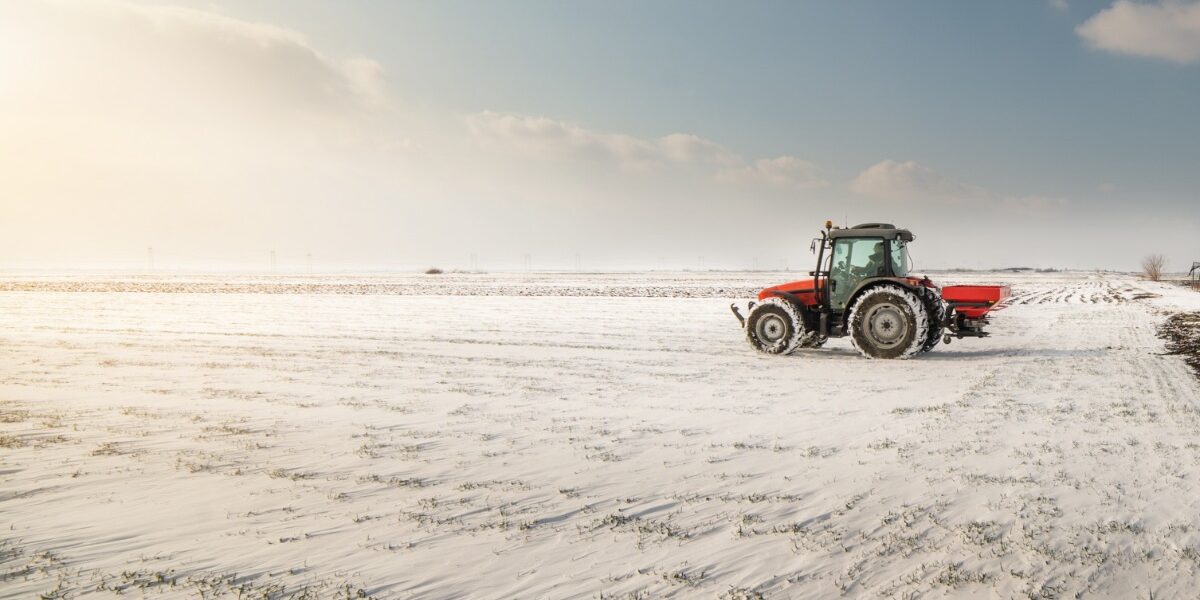
Cold temperatures place added strain on batteries, fluids, engines, and hydraulic systems. Equipment that starts easily in October may respond very differently after sitting through a stretch of subzero nights. Battery condition, coolant strength, engine oil, hydraulic fluid, tires, belts, and hoses all warrant inspection before winter workloads increase.
Keeping frequently used tractors and loaders serviced also reduces the chance that feeding, snow removal, or manure handling will stop because a machine won’t start. Fuel quality is another concern as temperatures drop, particularly for diesel-powered equipment expected to operate through prolonged cold.
4. Ensure the Livestock Have Access to Water
Reliable water access is critical throughout the coldest parts of the year. Access points need to be clear of packed snow and ice. Be sure to check tank heaters, insulated lines, and protected hydrants as freezing temperatures arrive. Electrical connections and heating elements need close inspection because a failed component could leave a tank frozen within hours.
Farmers should identify a dependable backup water source before winter weather disrupts the primary system. A secondary well, storage tank, or another accessible supply can help maintain livestock water access if a heater fails, a line freezes, or the power goes out. Knowing how much water the backup source holds and how to move it where needed helps the farm respond more efficiently during an outage.
5. Ventilate Barns and Outbuildings
Closing barns tightly against winter weather traps moisture produced by livestock and everyday barn activity. Without ample air movement, moisture collects as condensation on the walls and ceilings, leaving bedding damp and creating poor interior conditions. Inspect ventilation openings, including vents and fans, before winter. Then, repair damaged components and remove debris that restricts airflow.
If there are moisture problems, keep a close eye on areas that develop damp bedding or condensation repeatedly. Check the roof and nearby water lines for places where water enters the building. Correcting those sources helps ventilation work more effectively and keeps excess moisture from accumulating through extended periods of cold weather.
6. Plan Snow Removal Routes
Before the first major snowfall, decide which travel routes need to remain open throughout the winter. Prioritize access to barns, feed storage, water sources, fuel tanks, and the main road, so that snow removal efforts support the farm’s essential operations. Walk or drive those routes now to identify narrow sections, low obstacles, or other areas that could make plowing difficult once snow covers the ground.
Next, choose where plowed snow will go before large piles begin to limit access. Leave enough room around gates, entrances, and equipment areas for snow to accumulate without introducing new obstructions. Planning those routes and storage areas ahead of time gives operators a clear plan of action when a storm arrives.
7. Prepare Winter Tools
Cold weather is a poor time to discover that the tools required for snow, ice, or equipment recovery aren’t ready to use. Inspect snow shovels, tire chains, tow straps, and similar winter tools now for damaged handles, worn links, or frayed material that could cause them to fail during use. Repair or replace damaged items before storms arrive, so that crews don’t have to search for substitutes during rugged conditions.
Storage also affects how useful those tools will be once winter begins. Keep the equipment together in a dry, accessible location that won’t become blocked by drifting snow or parked machinery. A designated storage area streamlines acquiring tools whenever crews need to tend to icy surfaces or free a stuck vehicle.
8. Inspect Backup Power Equipment
A generator provides little protection during an outage if it hasn’t run properly since the previous winter. Before freezing weather arrives, inspect the battery, engine oil, fuel system, and filters. Replace worn or overdue components. Then, run the generator under load to confirm that it starts and supplies power without shutting down or producing warning indicators.
The connection between the generator and essential farm systems deserves equal attention. Inspect transfer equipment and power connections for loose fittings and deterioration. Be sure to address any problems promptly, so you don’t have to force the system into service during an outage. Testing the complete setup now gives the farm time to correct failures before a winter storm interrupts power to water systems and heating equipment.
Get Ready for the Winter Season
Cold weather always brings uncertainty, but preparing your farm for the winter will prevent severe complications. You’ll have backup resources and fully functional tools in place to treat issues as they arise without derailing operations.