
A Ford Bronco already has a bold identity, but the right modifications can make that identity feel far more personal. Owners often see a new bumper, larger tires, or extra height and immediately imagine how that part could transform their vehicle. That excitement can start a great project, but thoughtful choices must come before the first major change.
Every modification affects more than appearance. A new part can alter how your Bronco responds on pavement or works with factory systems that you rely upon each day. What seems like one simple upgrade can create new demands elsewhere on the vehicle.
Your best starting point is a clear vision for the Bronco you want to drive. Think about where it spends most of its miles and how often you expect to leave smooth pavement for harder terrain. Learning what to consider before modifying your Ford Bronco will help shape a modification plan that feels purposeful rather than excessive.
Start With the Bronco You Actually Need
Your Bronco should reflect the way you use it rather than an image of what an off-road vehicle should become. A daily-use Bronco has very different demands from a vehicle that faces narrow trails or remote terrain each month. Those differences deserve attention before you replace a single factory component.
Focus on areas where the current vehicle falls short for your actual use. Perhaps clearance limits access to favorite routes, or factory protection leaves exposed areas vulnerable once the terrain becomes more severe. A clear purpose gives every future modification a reason to exist.
Give Your Budget Room To Evolve
A Bronco project can grow fast once one modification creates a need for another. The original part price may seem manageable until labor or related changes push the final cost far past expectations. Set financial limits around the complete project rather than each purchase alone.
Avoid the temptation to save money on a part that must tolerate substantial stress. A lower price loses its appeal if poor fit forces extra labor or the component needs replacement much sooner than expected. Quality deserves space in your budget from the start.
Think About Weight Before You Add It
Heavy aftermarket parts change more than the number on a scale. Added mass can influence suspension response, braking feel, acceleration, and the way your Bronco reacts as terrain becomes more difficult. The effect becomes greater as several substantial modifications accumulate across the vehicle.
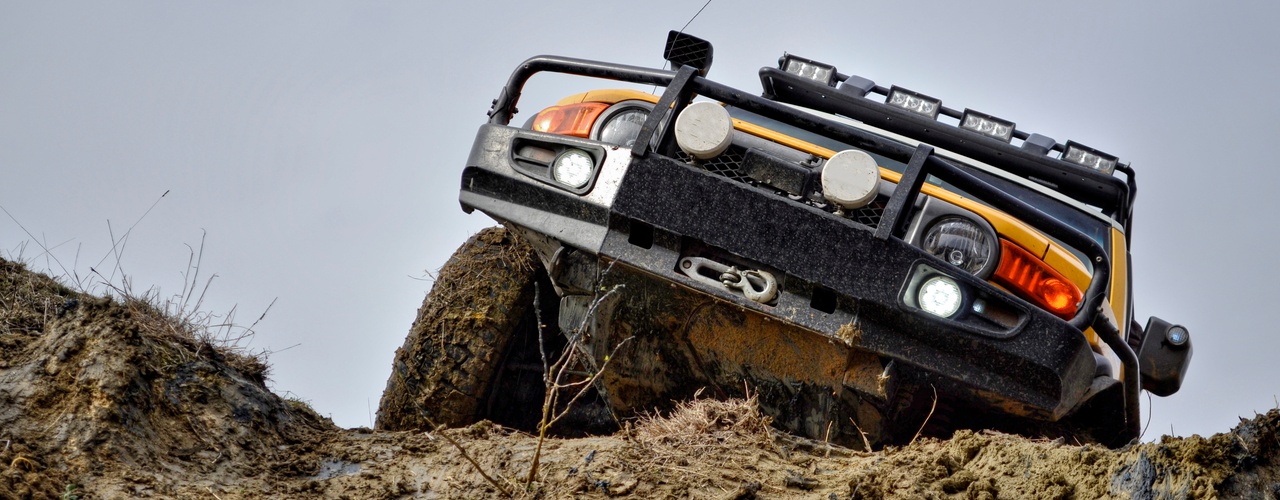
Front-end changes deserve particular attention because bumpers often support extra equipment and must tolerate direct contact under demanding conditions. An accurate look at aftermarket Bronco bumper quality assurance will help you judge whether a product deserves a place on your Bronco. Good construction should inspire confidence before the bumper ever meets its first difficult trail.
Match Tire Size to Real Use
Large tires create immediate visual impact, but appearance should never make the entire decision. Extra size changes how the Bronco feels and can place different demands on steering and clearance. A tire must suit the vehicle rather than dominate it.
Think about the terrain your Bronco encounters most often. An extreme setup may look impressive in the driveway but feel unnecessary if most trips occur across pavement with occasional moderate trail use. Proper proportions can preserve the Bronco’s character without pushing other systems beyond sensible limits.
Treat Suspension as a Complete System
Extra height changes the stance of a Bronco, but suspension work reaches far deeper than appearance. Changes can affect geometry and alter how the vehicle responds once the road becomes uneven or the suspension moves through its full range. Height alone should never define a successful setup.
Consider how your desired clearance fits the rest of the vehicle. A moderate change may support your goals without forcing major alterations elsewhere, whereas a more aggressive setup can demand much greater attention. The right suspension should make the Bronco feel capable rather than disconnected.
Protect the Bronco Where It Needs Help
Trail terrain can expose parts of your Bronco that rarely face danger on normal roads. A deep rut or hard rock can reach vulnerable areas quickly, especially once the vehicle moves across terrain with limited clearance. Protection should respond to those realistic risks.
Avoid adding heavy armor simply because an aftermarket catalog makes it available. Your routes should determine where protection makes sense and how much your Bronco truly needs before extra mass starts to work against performance. Purpose matters more than the amount of equipment attached to the vehicle.
Let Each Modification Support the Next
A Bronco build works best when every decision connects to the larger project. Tire size can affect suspension choices, and extra bumper weight may change what you expect from the front suspension once everything is in place. Planning ahead prevents one exciting purchase from disrupting another.
Imagine the finished Bronco before you focus on the next part. This perspective makes it easier to spot conflicts and avoid components that could limit future changes you already expect to make. Your vehicle then develops as one complete project rather than a collection of unrelated upgrades.
Keep Road Manners in the Conversation
Trail performance can dominate modification plans even when a Bronco spends most of its life on pavement. Extreme changes may alter comfort or make routine drives feel less natural than they did before the project started. Those compromises can become difficult to ignore after the excitement of a new setup fades.
One of the most important things to consider before modifying your Bronco is thinking about an ordinary week. A vehicle can still look bold and handle demanding terrain without sacrificing the character that makes regular drives enjoyable. Balance gives the finished Bronco far more versatility.
Make Quality Part of the Final Vision
Two aftermarket components can look nearly identical at first glance and perform very differently once they reach the vehicle. Strong construction and precise fit matter because off-road use can expose weaknesses that remain hidden during casual inspection. Choose parts with the complete Bronco in mind.
A well-planned vehicle feels intentional from every angle. Each modification should support the same purpose rather than compete for attention or force another part to compensate for a poor decision. That sense of cohesion can separate a thoughtful Bronco from one that simply has more aftermarket equipment.
Your Ford Bronco gives you enormous freedom to create a vehicle that feels distinct, capable, and personal. That freedom becomes far more valuable when every modification starts with a purpose rather than a desire to change something immediately. The finished result should feel like a stronger expression of the Bronco you wanted from the start.
Think beyond how a new component looks the moment it reaches the vehicle. Consider how it changes the Bronco you drive every day and how it fits the direction of modifications that may come later. With thoughtful choices, your Bronco can evolve without losing the balance and character that made you want to modify it in the first place.