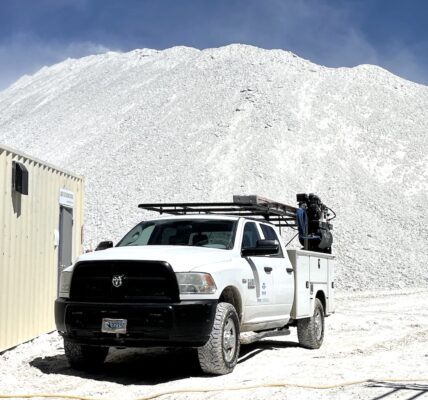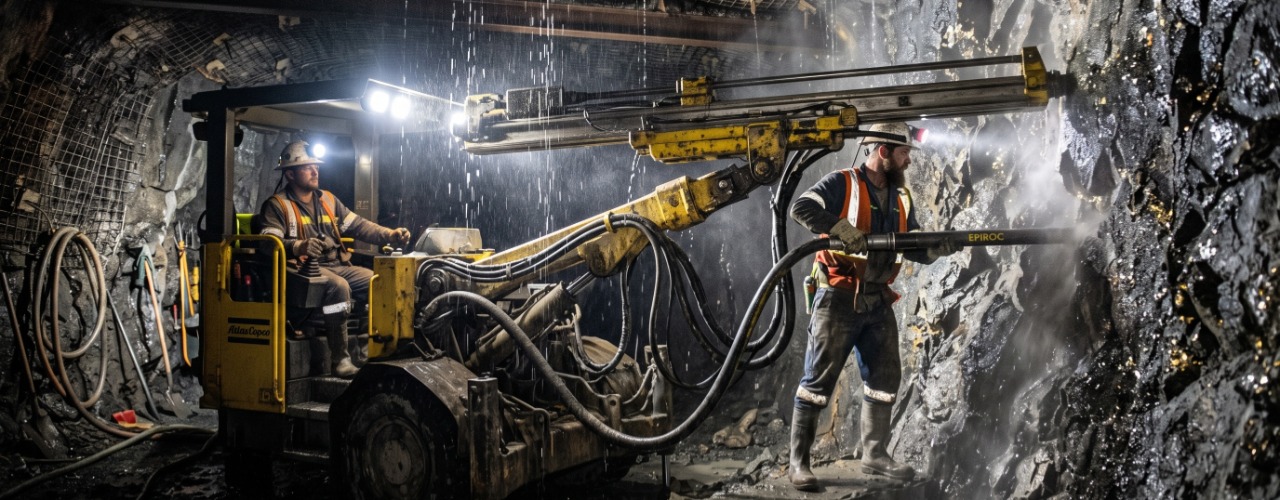

Heavy machinery plays an essential role in industries throughout Wyoming and Idaho. From construction projects in Jackson Hole to agricultural operations across the Snake River Plain, powerful equipment helps workers complete demanding jobs efficiently. However, operating around excavators, loaders, tractors, and other heavy equipment introduces serious safety risks that require constant attention.
A single moment of distraction can lead to devastating injuries, equipment damage, or costly project delays. Fortunately, many machinery-related accidents are preventable when employers and workers prioritize safety procedures. Understanding common hazards and taking proactive precautions can make a significant difference in protecting everyone on the job site. Read on to learn different ways to prevent accidents around heavy machinery.
Understand the Most Common Heavy Machinery Hazards
Heavy equipment accidents often occur when workers underestimate the dangers associated with moving machinery. Struck-by incidents, caught-between accidents, and equipment rollovers are among the most serious hazards in construction and industrial environments.
Workers should recognize several common risks, including:
- Blind spots: Operators may struggle to see workers standing behind or beside large equipment.
- Equipment rollovers: Uneven terrain, steep slopes, and unstable ground can cause machinery to overturn.
- Falling materials: Improperly secured loads can shift or fall during transportation.
- Mechanical failures: Worn components or neglected maintenance can lead to unexpected equipment malfunctions.
- Unauthorized operation: Untrained workers may accidentally activate machinery or misuse important controls.
Recognizing these hazards allows employers to implement preventive measures before accidents occur. Regular safety discussions also help workers identify changing conditions that could introduce new risks.
Provide Comprehensive Equipment Safety Training
Proper training is one of the most effective ways to prevent accidents involving heavy machinery. Workers should understand equipment limitations, operating procedures, emergency controls, and manufacturer recommendations before operating machinery independently.
Training should also address the specific challenges associated with local working conditions. In Wyoming and Idaho, operators may encounter mountainous terrain, icy surfaces, unpredictable weather, and remote job sites where emergency assistance isn’t immediately available.
Make Safety Training an Ongoing Priority
Equipment training shouldn’t end after an employee’s initial orientation. Employers should provide refresher sessions when introducing new machinery, updating safety procedures, or identifying recurring workplace hazards.
Hands-on demonstrations are particularly valuable because they allow workers to practice safe operating techniques under supervision. Supervisors should also verify that employees possess the qualifications or certifications required for their assigned equipment.
Conduct Thorough Equipment Inspections
Heavy machinery experiences considerable wear, especially when operating in demanding environments. Daily inspections help identify developing mechanical problems before they cause accidents or unexpected breakdowns.
Operators should inspect critical components before beginning work, paying particular attention to:
- Brakes, steering systems, and hydraulic connections
- Tires, tracks, and undercarriage components
- Warning lights, backup alarms, and mirrors
- Seat belts and rollover protective structures
- Fluid levels and visible leaks
- Attachments, lifting mechanisms, and load restraints
Any equipment displaying potentially dangerous defects should be removed from service until qualified personnel complete necessary repairs. Employers should also maintain inspection records to identify recurring issues and support preventive maintenance schedules.
Establish Clear Communication Procedures
Effective communication is essential when multiple workers and machines operate within the same area. Equipment noise, obstructed visibility, and considerable distances can make verbal instructions difficult to hear or understand.
Employers should establish standardized hand signals, designated communication channels, and procedures for approaching active machinery. Workers must never assume an operator sees them simply because they’re standing nearby.
Use Spotters When Visibility Is Limited
Spotters provide additional visibility when operators navigate confined spaces or areas with pedestrian traffic. A designated spotter can help guide equipment movements while monitoring potential obstacles.
However, spotters must remain outside dangerous operating zones and maintain clear communication with operators. If visual contact or communication is lost, equipment movement should stop until safe coordination is restored.
Use Proper Safety Signage Throughout the Worksite
Clearly displayed safety signs help workers recognize hazards before entering dangerous areas. Warning signs can identify restricted zones, moving equipment, overhead hazards, and locations where protective equipment is required.
Employers should understand how OSHA safety signs reduce workplace risks and incorporate appropriate signage into their overall safety programs. Signs should remain visible, readable, and positioned where workers can recognize warnings before encountering hazardous conditions.
Choose Signs That Withstand Local Conditions
Outdoor worksites throughout Wyoming and Idaho experience freezing temperatures, heavy snowfall, and prolonged exposure to sunlight. These conditions can damage poorly constructed signs or make important warnings difficult to read.
Durable materials and weather-resistant finishes help maintain visibility throughout changing seasons. Employers should regularly inspect signage and replace damaged or obstructed warnings before they compromise workplace safety.
Prepare for Changing Weather and Terrain
Weather conditions can significantly affect heavy machinery safety. Snow-covered surfaces, freezing temperatures, and springtime mud can reduce traction while making equipment more difficult to control.
Operators should adjust their speeds according to ground conditions and avoid operating on unstable slopes. Employers must also evaluate whether severe weather, limited visibility, or rapidly changing conditions make continued operations unsafe.
Account for Seasonal Hazards
Winter operations require additional precautions because ice accumulation can interfere with equipment access and movement. Workers should clear snow from steps, maintain unobstructed windows, and inspect equipment for weather-related problems.
During warmer months, saturated soil and erosion can weaken the ground supporting heavy machinery. Evaluating terrain before positioning equipment helps reduce the likelihood of rollovers or ground failures.
Follow Safe Shutdown and Maintenance Procedures
Unexpected equipment movement can cause serious injuries during cleaning, repairs, or maintenance. Workers should follow applicable lockout/tagout or other hazardous-energy control procedures before servicing machinery.
Attachments should be lowered or securely supported, and stored energy must be controlled before maintenance begins. Only authorized, properly trained personnel should perform tasks involving potentially hazardous equipment systems.
Create a Workplace Culture That Prioritizes Safety
Preventing accidents requires consistent cooperation between equipment operators, supervisors, and other employees. Workers should feel comfortable reporting unsafe conditions, identifying near misses, and requesting additional training without fear of retaliation.
Regular safety meetings provide opportunities to discuss hazards and improve existing procedures. Whether operating equipment on a ranch near Idaho Falls or managing construction outside Jackson, maintaining a proactive safety culture protects workers while supporting efficient operations.
Ultimately, preventing heavy machinery accidents requires more than following a checklist. By combining proper training, equipment maintenance, clear communication, and awareness of local working conditions, employers can create safer environments for everyone involved.