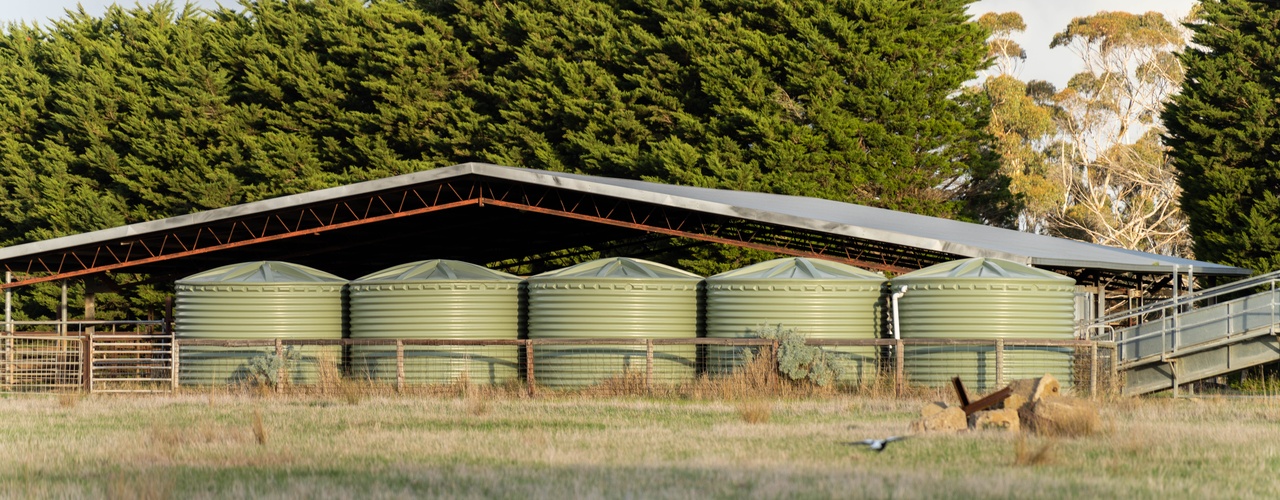

Reliable water storage supports daily farm operations and long-term planning. Many producers now prioritize farm water storage tips to manage supply during dry periods and reduce dependency on external sources. Strong storage practices also protect water quality and reduce costly losses. Whether you have a farm in a drought-prone area or want to practice more sustainable irrigation, here are some important tips for storing water.
Choosing The Right Storage System
Farm owners often select storage systems based on climate and usage needs. Tanks, ponds, and underground reservoirs all serve different purposes and require proper placement to perform well. Materials matter, since poor-quality surfaces can crack or degrade over time.
Proper sizing prevents shortages during peak demand. Oversized systems can also create maintenance challenges if water sits unused for long periods.
Protecting Water Quality
Stored water can degrade quickly without proper safeguards. Exposure to sunlight, debris, and contaminants leads to algae growth and reduced usability. Covered tanks and controlled access points help maintain clean water.
Regular inspection remains essential for long-term storage success. Many operations follow basic farm water storage tips such as checking seals, cleaning tanks, and monitoring for contamination.
Preventing Leaks And Structural Issues
Leaks waste water and increase operational costs. Cracks, corrosion, and poor installation often cause slow losses that go unnoticed at first. Strong lining systems help maintain structural integrity and extend the lifespan of storage units.
Professionally installed solutions like tank liners prevent leaks through added protection against seepage and material failure. These systems support consistent water retention under varying conditions.
Planning For Seasonal Changes
Weather patterns directly affect water storage strategies. Rainfall, drought cycles, and freezing temperatures all impact supply levels and infrastructure durability. Farms that plan ahead avoid disruptions during critical periods.
Simple adjustments can improve seasonal performance:
- Monitor storage levels before peak usage periods
- Prepare systems for freezing temperatures
- Reinforce structures before heavy rainfall
Maintaining Efficiency Over Time
Long-term efficiency depends on consistent upkeep and system upgrades. Aging infrastructure often leads to inefficiencies that reduce available supply. Routine maintenance helps identify weak points before they become costly issues.
Technology also plays a growing role in water management. Sensors and monitoring tools allow operators to track usage and detect problems early.
Effective water storage requires careful planning, reliable materials, and ongoing maintenance. Farm owners who invest in strong systems and follow these important storage tips protect their resources and productivity. Consistent attention to storage practices ensures stable operations across changing conditions.