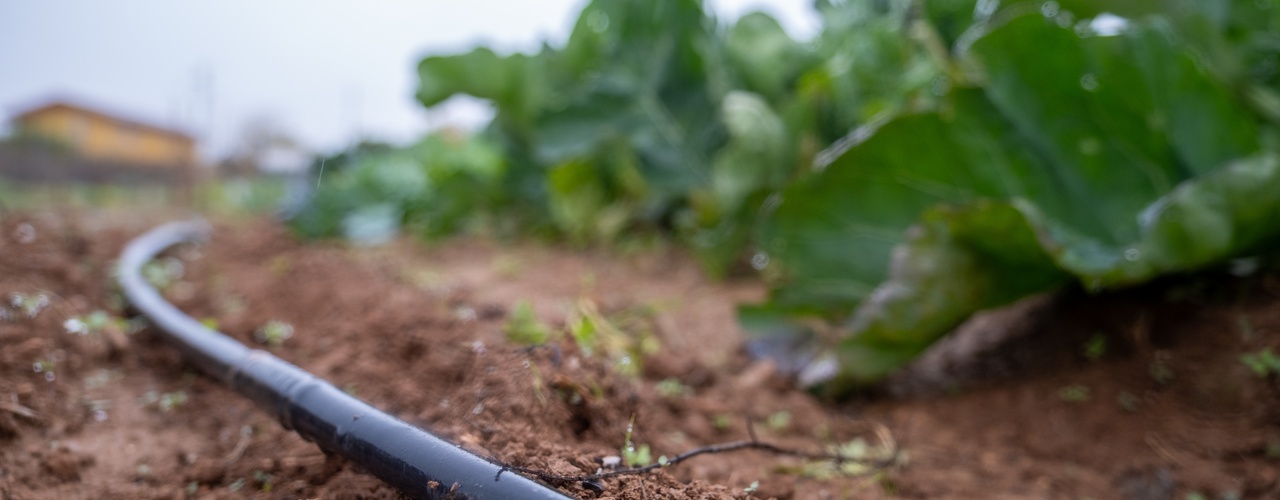

Whether you have a small or large farm, irrigation shapes every growing season. Strong irrigation decisions can protect yields and help farms respond to dry spells and changing water demands.
Good irrigation starts with understanding your fields and simple upgrades that support daily decisions. Whether you’re just starting a farm or a veteran farming looking to improve your crop yields, here are some strategies to optimize irrigation on your farm.
Start With Soil and Crop Conditions
Each field holds water differently, so irrigation plans should match soil type and crop needs. Sandy ground drains fast, while heavier soils keep moisture longer and can create runoff or ponding if water moves too quickly.
Checking soil moisture before each irrigation cycle helps avoid waste and stress on crops. This habit also improves irrigation efficiency by reducing overwatering during cooler periods or after recent rain.
Match Watering Schedules to Actual Need
A fixed schedule can miss what crops need from week to week. Temperature swings, wind, crop stage, and recent weather all change how fast moisture leaves the field.
Many farms now adjust runtimes based on field data instead of habit. Understanding the different ways farms use irrigation system technology can show how monitoring tools can support better timing and more consistent coverage.
Keep Equipment Working Properly
Nozzles, pivots, pumps, valves, and lines need regular attention during the season. Small leaks, worn parts, and pressure problems can create uneven application that leaves one section too dry and another too wet.
A quick inspection routine can catch problems before they affect yield. Focus on these common trouble spots:
- clogged or worn sprinkler nozzles
- low or uneven pressure
- leaks in pipe, hose, or fittings
- wheel track issues on pivots
- timer or control setting errors
Reduce Waste From Wind and Runoff
Wind can push water off target, especially during hot afternoons on open ground. Early morning or evening irrigation often improves placement and cuts evaporation losses.
Runoff also signals a problem with application rate or field conditions. Slowing water delivery or splitting irrigation into shorter sets can help water soak in more evenly.
Use Data Without Overcomplicating the Job
Technology can help, but it works best when it stays practical. For example, soil moisture sensors and remote monitoring tools can help operators respond faster when conditions shift.
Even one or two data points can sharpen decisions across the season. Better records on irrigation timing, field response, and water use often lead to stronger irrigation efficiency and fewer surprises during peak demand.
Build a Better Routine Over Time
Irrigation improves when farms make small changes and track what works. A stronger routine usually comes from better observation, timely maintenance, and steady adjustments rather than one major overhaul.
That approach fits operations of every size across the region. When water stays limited and input costs stay high, smart irrigation management remains one of the clearest ways to protect the farm.