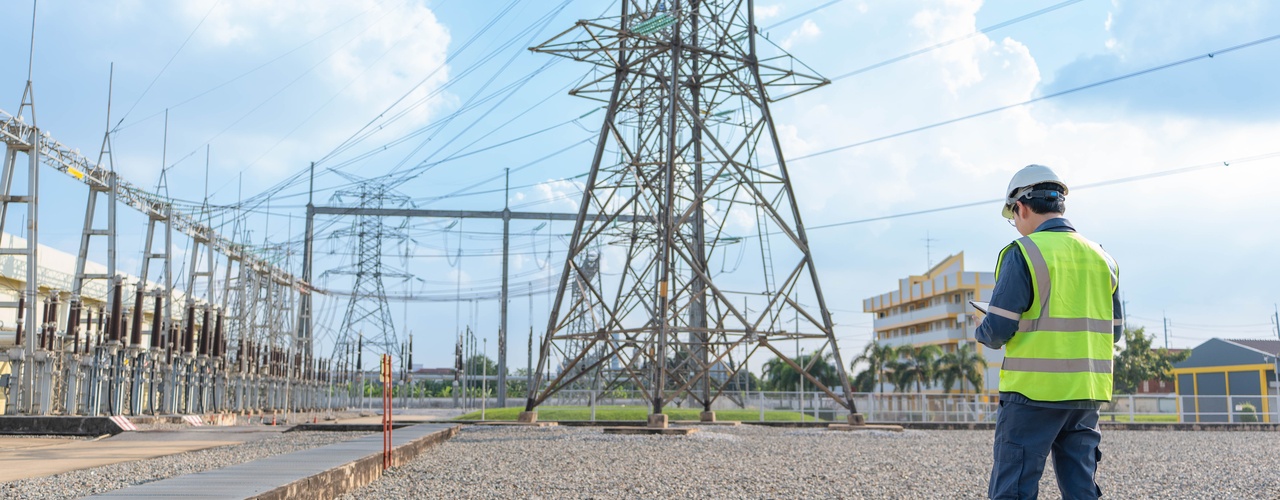

A tower site can look perfect on paper until the first service truck gets stuck at a locked gate or washed-out path. The real cost of poor telecom tower access begins when routine maintenance becomes a scheduling problem. A site that is hard to reach strains the lease relationship before anyone even touches the equipment. Better access planning keeps the land protected and the workday from turning into damage control.
Delayed Repairs Increase Service Risk
Every tower needs inspection and emergency response. When crews lose time finding entry points or waiting for permission to cross private land, repairs slow before the technical work begins. That delay matters most when weather damage or power issues threaten service continuity. Clear access routes allow crews to restore performance before a manageable issue grows.
Good access begins before construction because site placement affects every future service call. Someone choosing the best location for a telecom tower should consider whether maintenance vehicles will have practical access during wet weather and urgent repair windows. Landowners benefit because fewer improvised routes mean less disturbance to the surrounding property.
Poor Access Raises Maintenance Costs
Difficult access turns basic work into a longer, more expensive visit. Crews might need smaller vehicles or extra coordination when a site lacks a reliable path. Those added steps raise costs even when the repair itself is simple. Over time, repeated access problems make the tower more expensive to maintain.
Poorly planned entry points damage land as much as they slow service. A muddy path not designed for utility vehicles leaves ruts near the tower area. Landowners then face frustration over property conditions, while telecom teams face pressure to repair damage that better planning could have reduced. A defined route protects the site and keeps maintenance work predictable.
Access Agreements Prevent Confusion
Access is not only a physical issue. Lease terms should explain who may enter, which route they should use, and how emergency entry will work. Without those details, routine visits create tension between the tower operator and the property owner. Clear expectations reduce confusion before a crew arrives at the gate.
Strong agreements should reflect the property’s actual conditions. A route that works in summer might be unreliable after heavy rain. Managers should document access limits, and landowners should understand the expected types of visits. Better alignment keeps the site functional without turning every maintenance need into a negotiation.
A tower site works best when access is practical before any service issue ever arises. The real cost of poor telecom tower access is the pressure it places on every future decision tied to the site. When managers and landowners plan entry with the same care as placement, the tower is more likely to serve everyone well.