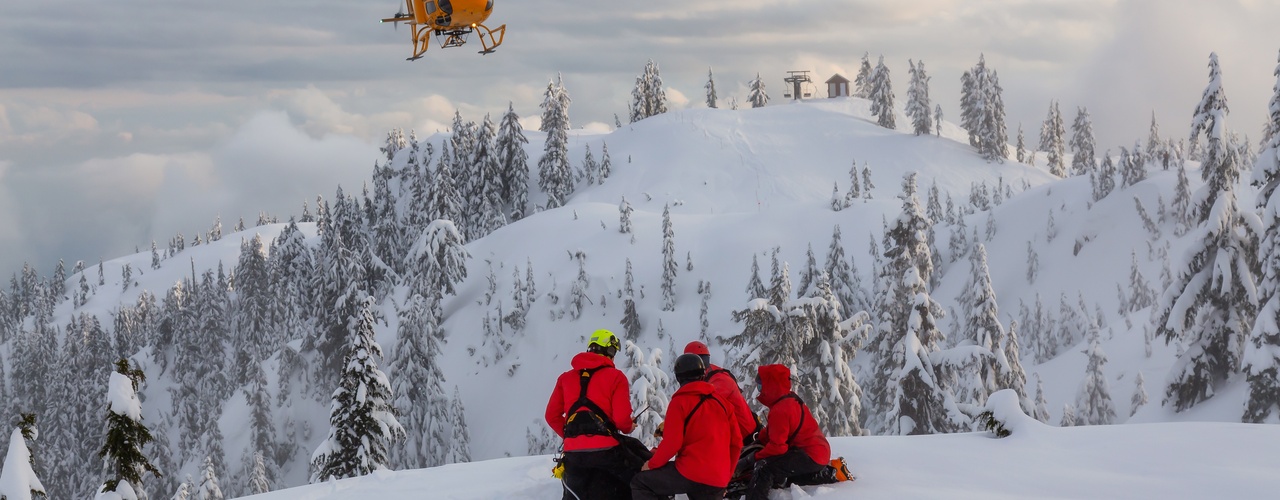

Search and rescue work can move from calm to dangerous in minutes. Teams may face rough terrain, unstable structures, cold water, smoke, heat, sharp debris, or long hours in low visibility. The right personal protective equipment helps search and rescue teams move with confidence while reducing preventable injuries during demanding calls.
Head Protection
A quality helmet belongs at the top of every PPE list. Search and rescue teams often work near falling branches, loose rock, damaged buildings, or tight spaces where head injuries can happen fast. Helmets should fit securely, allow clear communication, and work with lights or face shields when needed.
Teams should also match the helmet to the mission type. A climbing rescue, swiftwater response, or disaster search may call for different helmet styles. Comfort counts, too, because rescuers may wear gear for hours without a break.
Protect the Eyes and Face
Eye protection keeps dust, dirt, branches, smoke, chemicals, and splashing water from a rescuer’s face. Safety glasses work well for many outdoor searches, while goggles provide better coverage in windy, dusty, or wet conditions.
Face shields can provide protection during cutting, breaking, or extrication work. When teams prepare for a search and rescue mission, they should inspect lenses for scratches, clean straps, and pack backups to handle changing conditions.
Choose Strong Hand Protection
Rescuers rely on their hands for lifting, climbing, digging, carrying equipment, and assisting injured people. Durable gloves protect against cuts, burns, rope friction, cold, and contaminated surfaces.
No single glove works for every task. Rope teams need grip and dexterity. Wilderness teams need puncture resistance. Medical support crews need disposable gloves for patient care. Smart teams carry more than one glove type so they can switch as the job changes.
Wear the Right Footwear
Search and rescue footwear needs traction, ankle support, weather protection, and comfort. A long search can cover mud, rock, pavement, snow, brush, and steep slopes in one shift. Poor footwear can slow a rescuer down or cause injuries that pull another team member out of service.
Boots should fit well with the socks rescuers plan to wear in the field. Waterproof materials help in wet environments, while breathable boots can reduce discomfort during hot-weather operations.
Add Visibility and Weather Protection
High-visibility clothing helps team members spot each other in low light, dense woods, traffic areas, or chaotic disaster scenes. Reflective strips, bright outer layers, and marked vests can improve team coordination.
Weather-ready layers also play a major role. Rain gear, insulated jackets, moisture-wicking base layers, and sun protection help rescuers stay focused during long assignments. PPE should support movement instead of creating bulk that slows the team down.
Keep Respiratory Protection Ready
Some searches expose teams to smoke, dust, mold, chemicals, or airborne debris. Respiratory protection can range from simple masks to more advanced respirators, depending on the environment. Teams should train with each option before they need it in the field.
Build PPE Into Every Response
Essential PPE for search and rescue teams does more than check a safety box. It helps rescuers work faster, stay alert, and protect the people beside them. When teams inspect gear often, replace worn items, and train with the equipment they carry, they step into each call better prepared for the unknown.