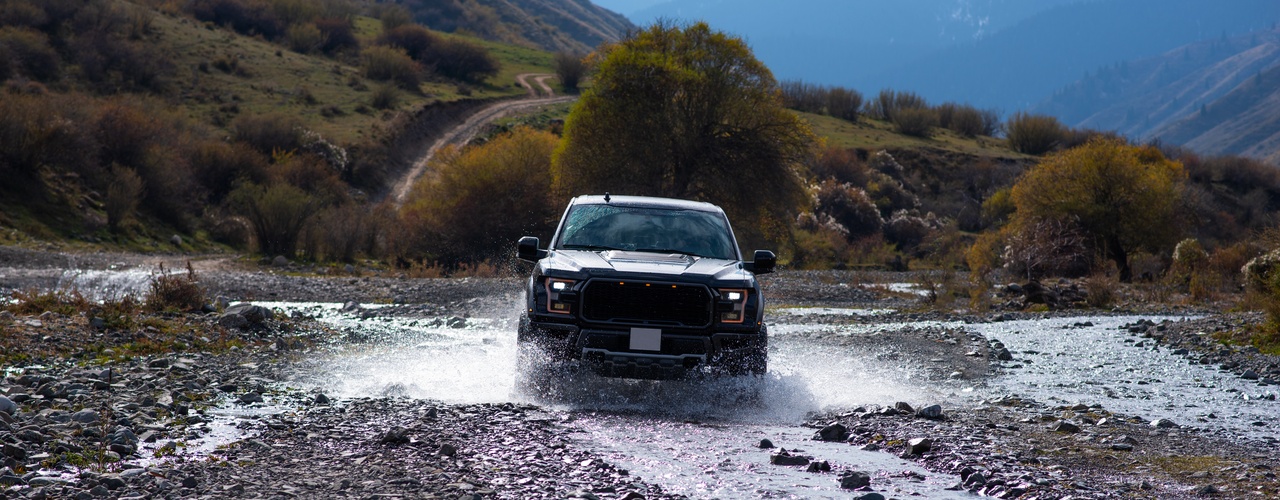

There are plenty of rugged roads to explore. While a truck handles driving on the pavement without trouble, rough terrain demands more traction and visibility from the vehicle. Installing a few truck accessories will prepare the vehicle for tough off-roading conditions.
Off-Road Tires
Mud and rocky surfaces are typically too much for standard tires to handle. Off-road tires use tread patterns and rubber compounds designed to maintain grip across uneven ground, increasing the truck’s responsiveness when the surface changes.
All-terrain tires suit drivers who divide their time between highways and unpaved roads. Mud-terrain tires use aggressive tread blocks that perform well in soft soil and deep mud. However, they usually generate additional noise while driving. Tire choice should reflect the surfaces a truck sees most frequently rather than the most extreme terrain it might encounter once a year.
Skid Plates
Rocks, ruts, and hidden debris can reach parts of the truck that rarely face direct contact on paved roads. Skid plates create a barrier beneath vulnerable areas, including the engine, transmission, transfer case, and fuel tank.
Factory protection varies by model and trim. Therefore, some trucks feature ample underbody coverage while others have minimal protection. Aftermarket plates commonly use steel or aluminum, and each material offers a different balance of weight and impact resistance. Good coverage helps reduce the chance that a sharp rock or deep rut will damage a component far from a repair shop.
Recovery Equipment
Even a capable truck can lose traction in snow, mud, sand, or loose soil. Recovery equipment provides options when the tires can’t generate enough grip to move the vehicle without assistance.
A basic recovery setup may include a recovery strap, rated shackles, traction boards, and a properly sized winch. Each item serves a different purpose, so the usefulness of the kit depends on the type of travel the truck sees. Strong factory or aftermarket recovery points are equally important because recovery forces can damage weak attachment points.
Light Bars
Darkness arrives quickly in mountain valleys and forested areas. Auxiliary lighting gives drivers a broad view of the road surface when factory headlights don’t illuminate the edges of a trail or the terrain ahead.
Light bars come in several beam patterns, including spot and flood designs. A spot beam sends light farther down the road, while a flood pattern spreads illumination across a wide area.
Mounting position influences how effectively a light bar illuminates the terrain ahead. Roof-mounted lights provide broad coverage, but their elevated position may produce a glare on the hood or reflect light from dust and falling snow. Low mounting points near the grille or bumper reduce those reflections and direct additional light toward the trail surface.
Rock Sliders
Narrow trails and rocky sections expose the lower body of a truck to impacts that ordinary running boards aren’t built to handle. Rock sliders use stronger mounting points and heavier construction to protect rocker panels when the truck passes over ledges, boulders, or deep ruts.
Manufacturers design true sliders to handle contact with terrain rather than serve as decorative side steps. Some versions provide a useful stepping surface, but protection remains their main purpose. Drivers who spend time on rocky routes may value sliders even when the rest of the truck remains close to stock.
Suspension Components
Uneven terrain forces the suspension to absorb repeated movement that pavement rarely creates. Off-road shocks, springs, and related components can improve control when the truck travels across washboard roads, ruts, or uneven rock.
Suspension changes should match the truck’s weight and intended use. Added bumpers, recovery gear, bed storage, or camping equipment can increase load. This could alter how the factory suspension behaves. A properly matched setup supports ground clearance and wheel movement without making the truck unnecessarily harsh on regular roads.
Portable Air Compressors
Tire pressure affects how a truck behaves on changing surfaces. Some drivers reduce tire pressure on loose or rough terrain to increase the tire’s contact area, then restore normal road pressure before returning to higher-speed pavement.
A portable air compressor makes those pressure changes possible without relying on a nearby service station. Off-road models vary in airflow, duty cycle, and maximum pressure. Trucks with heavy-duty tires benefit from compressors that move more air without overheating through repeated inflation.
All-Weather Floor Mats
Mud, melting snow, dust, and gravel don’t stay outside the truck for long. All-weather floor mats help contain that debris and protect carpet from moisture that gets tracked into the cab.
Deep channels and raised edges are especially useful in areas where snow and mud accompany seasonal travel. Mats shaped specifically for the truck usually cover more of the footwell than universal options. As a result, cleanup after hunting trips or trail rides will decrease because the mats contain the mess.
Bed Storage
Off-road travel frequently means carrying more equipment than a typical highway trip. Recovery tools, air hoses, extra clothing, and emergency supplies become difficult to manage when they slide around an open truck bed.
Locking boxes, drawer systems, and weather-resistant containers help keep gear organized and protected from dirt or moisture. Secure storage also prevents heavy items from shifting over rough ground. When replacing factory hardware or damaged components, using the VIN number for truck replacement parts helps match equipment to the vehicle’s original configuration.
Communication Gear
Cell service becomes inconsistent in many remote areas of the West. Communication equipment provides another way to stay connected when a route passes through mountains, forest land, or sparsely populated country.
Handheld radios work well between vehicles traveling together, while satellite messengers add coverage beyond cellular networks. The most useful option depends on trip length, group size, and how far the route travels from populated areas. Reliable communication adds valuable preparation when mechanical trouble or changing weather interrupts a trip.
Find the Best Off-Road Equipment for Your Truck
Choosing truck accessories for off-roading works best when the setup reflects your truck’s existing features and your favorite off-roading routes. A vehicle used on forest roads, snowy access routes, and rocky trails may benefit from a very different mix of equipment than one built mainly for deep mud or desert terrain. Equipment that improves traction and protects vulnerable components will make every drive a seamless adventure.