
Drilling crews can encounter unexpected challenges hundreds or thousands of feet beneath the surface. Even with detailed geological surveys, changes in rock strength or underground pressure can affect equipment performance. A well-planned operation may require adjustments once drilling reaches unfamiliar ground.
Understanding five ways rock formations affect drilling operations helps explain why geological conditions influence equipment choices and project timelines. Each underground layer has different characteristics, and recognizing them helps crews prepare for the challenges ahead.
1. Rock Hardness Determines How Quickly Drilling Progresses
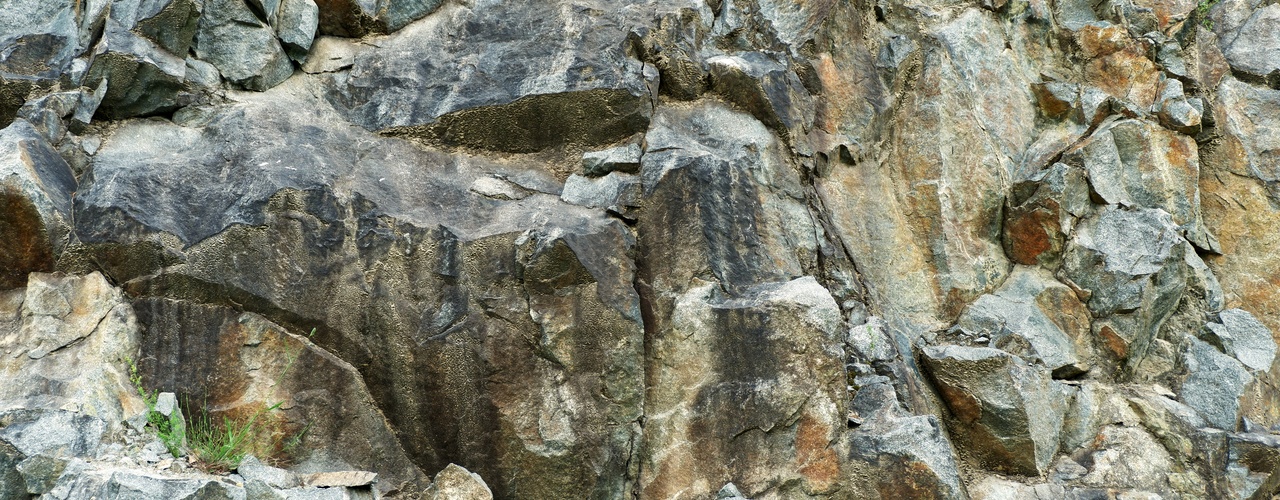
Rock strength influences how quickly drilling equipment can penetrate the ground. Softer sedimentary materials often allow faster progress, while harder layers require more cutting force and equipment that can withstand greater resistance.
Sandstone, limestone, and shale have different drilling characteristics, although their properties can vary within the same rock category. Even two sandstone sections may behave differently depending on how tightly minerals cement their grains together.
Abrasive minerals present another challenge because they gradually wear down cutting surfaces. As wear increases, crews may notice slower drilling speeds despite maintaining similar operating settings.
When equipment encounters particularly resistant rock, operators may adjust rotational speed or the force applied to the drill bit. Excessive force can accelerate wear without improving penetration rates, making careful adjustments more effective than simply increasing power.
Geological surveys and nearby well records help operators anticipate these differences before drilling begins. However, conditions can change unexpectedly, so ongoing equipment monitoring is key to maintaining steady progress.
2. Changing Rock Layers Influence Drill Bit Selection
Drilling rarely involves cutting through identical material from the surface to the target depth. Crews may encounter softer sedimentary deposits before reaching dense rock with greater strength or abrasive mineral content.
These transitions affect how cutting equipment performs and how often operators must adjust drilling parameters.
Different bit designs accommodate different geological conditions. Polycrystalline diamond compact (PDC) bits use synthetic diamond cutters to shear rock, while roller-cone bits crush or gouge material through rotating cones.
Crews consider rock hardness and abrasiveness when choosing between different types of drilling bits. A bit that cuts efficiently through softer layers may struggle with harder material, so choosing the right equipment helps maintain steady progress and limit premature wear.
What Influences Drill Bit Performance?
Several characteristics affect how cutting equipment performs underground:
- Rock strength: Harder material requires cutting structures that can withstand greater resistance.
- Abrasiveness: Mineral composition affects how quickly cutting surfaces experience wear.
- Layer variability: Changes in rock properties influence drilling efficiency and equipment durability.
- Natural fractures: Existing cracks can alter how cutting tools interact with surrounding material.
Crews monitor drilling performance throughout the operation, adjusting rotational speed and weight on bit when necessary. Matching equipment settings with underground conditions helps maintain cutting efficiency while limiting premature wear.
3. Fractures and Weak Rock Affect Wellbore Stability
Drilling creates an opening through underground rock, but the surrounding material does not always remain stable. Some layers maintain their structure around the borehole, while weaker sections may fracture or collapse inward.
Shale presents particular challenges because certain varieties contain clay minerals that react with water-based drilling fluids. Depending on their composition, these rocks may swell or weaken when exposed to incompatible fluids, increasing the risk of wellbore instability.
Natural fractures can also create pathways for drilling fluid to escape into surrounding rock. Such losses may interrupt operations or increase the likelihood of equipment becoming stuck underground.
Crews address these concerns by studying rock properties and adjusting drilling fluid characteristics to support the wellbore. When necessary, operators install casing to reinforce vulnerable sections and maintain structural integrity.
Casing also helps isolate underground zones, while proper cementing separates areas containing groundwater or hydrocarbons. These measures help operators manage unstable conditions and reduce interruptions during well construction.
4. Underground Pressure Changes Drilling Requirements
Subsurface pressure conditions influence how crews manage drilling operations. Underground fluids occupy pore spaces within certain rocks, creating pressure differences that become increasingly important as drilling progresses.
Drilling fluid helps crews manage these conditions by circulating through the well and carrying rock cuttings toward the surface. Its pressure also helps counterbalance fluids within the surrounding rock.
However, maintaining the appropriate pressure requires careful monitoring. Insufficient wellbore pressure may allow underground fluids to enter the well unexpectedly, while excessive pressure can fracture vulnerable rock and cause drilling fluid losses.
These differences influence drilling fluid selection and operating procedures. Geological assessments help crews anticipate pressure changes before reaching a natural gas reservoir, while monitoring equipment provides information about conditions during drilling.
When a well crosses zones with different pressures, operators may need to adjust fluid properties or modify operating parameters. Unexpected losses can also require additional treatment, potentially extending drilling schedules.
Accurate pressure information helps crews maintain well control while reducing the risk of interruptions that could affect equipment performance or project costs.
5. Underground Structures Influence Well Placement and Drilling Paths
Rock layers rarely extend beneath the surface in perfectly horizontal sheets. Geological forces can fold them or shift them along faults, creating structural differences that influence drilling plans.
A productive rock layer may lie deeper in one location than another, even across relatively short distances. Faults can also interrupt continuity, making underground conditions harder to interpret.
Geologists use seismic surveys and existing well records to estimate where these structures lie before drilling begins. Their findings help operators identify potential obstacles and determine suitable paths toward target reservoirs.
For directional drilling projects, crews may adjust the well trajectory to reach a reservoir while accounting for changes in underground geometry. These decisions affect drilling distance and equipment requirements, as well as the time crews need to complete the operation.
Unexpected structural changes may require operators to reassess their original plans. Careful geological interpretation helps reduce unnecessary drilling while allowing crews to respond when underground conditions differ from earlier estimates.
How Geological Knowledge Supports Better Drilling Decisions
The five ways rock formations affect drilling operations demonstrate how underground conditions influence equipment performance and project planning. Differences in rock properties can change how crews select cutting tools, while pressure variations may require adjustments to well construction.
For natural gas operations, geological assessments help operators anticipate challenges before crews encounter difficult sections. Unexpected resistance or unstable rock can affect drilling schedules, making accurate underground information valuable throughout the project.
These considerations also apply to energy-producing areas such as Western Wyoming, where complex sedimentary geology influences natural gas development.
As drilling technology advances, geological knowledge continues to guide equipment choices and operating decisions. Crews that understand underground conditions can manage equipment wear more effectively and adapt their drilling plans when unexpected challenges arise.