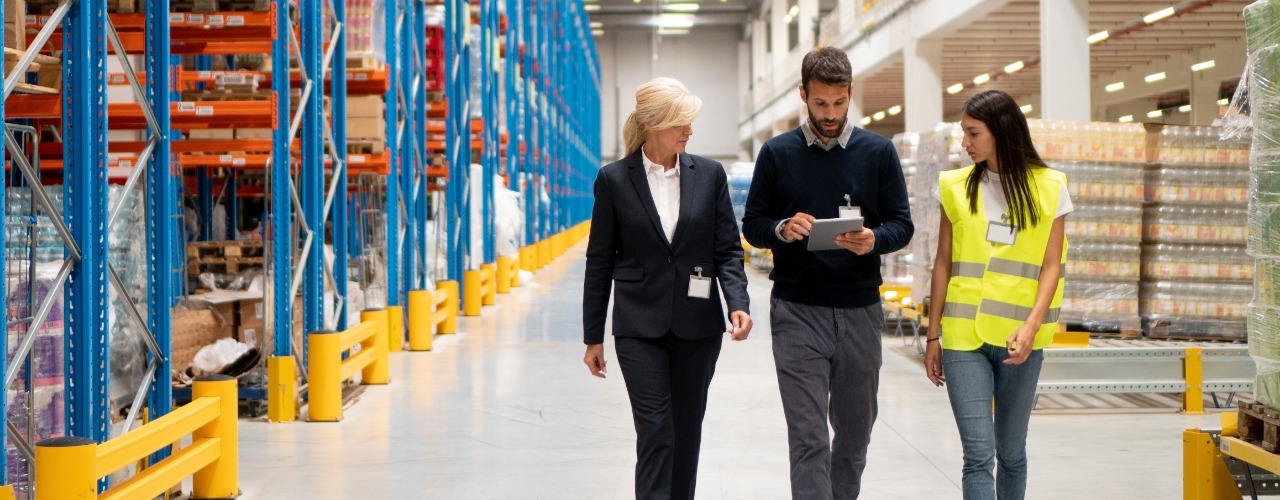

Warehouse efficiency plays an important role in the operating costs of businesses that support coal mining and natural gas production throughout Western Wyoming and Eastern Idaho. Equipment suppliers, maintenance contractors and industrial operations rely on organized storage facilities to keep essential materials available when crews need them. Poor inventory practices and inefficient material handling can create unnecessary expenses that affect daily operations. Understanding how to build a more cost-effective warehouse helps these businesses manage resources without sacrificing safety or reliability.
For industrial operations, warehouse improvements don’t always require major construction projects or expensive technology investments. Small changes to storage layouts, equipment selection and inventory procedures can improve productivity while reducing waste. The challenge involves identifying which improvements will deliver measurable benefits for a particular facility. It’s important to learn how to build a more cost-effective warehouse so that your business can thrive, not just survive.
Identify Where Warehouse Costs Begin
Warehouse operating expenses extend well beyond the monthly cost of maintaining a building. Labor, equipment maintenance, inventory losses and material handling all influence the overall cost of running a facility. Businesses supporting energy production may also face additional expenses when essential replacement parts arrive late or workers cannot locate necessary supplies. Understanding these costs helps managers prioritize improvements that address actual operational problems.
Start by reviewing how employees receive, store and retrieve materials throughout a typical workday. Look for repeated handling, unnecessary travel and areas where inventory regularly accumulates. Examine maintenance records to identify equipment that frequently requires repairs or interrupts normal operations. These observations can reveal inefficiencies that routine financial reports might overlook.
Match Material Handling Equipment to Daily Work
Material handling equipment represents a substantial investment for many industrial warehouses. Selecting equipment without considering actual operating conditions can create unnecessary maintenance expenses and productivity limitations. Facilities that handle heavy machinery components require different capabilities than warehouses that primarily store packaged supplies. Equipment selection should reflect load characteristics, available space and the frequency of material movement.
Managers researching choosing the right lift equipment for your facility should evaluate rated capacities, operating environments and maintenance requirements before purchasing machinery. Forklifts, pallet trucks and specialized lifting systems serve different purposes, and no single option suits every application. Equipment must also accommodate aisle dimensions, floor conditions and the materials employees handle. Consulting qualified equipment specialists can help businesses identify practical solutions without paying for unnecessary capabilities.
Reduce Inventory That Ties Up Capital
Excess inventory can consume valuable warehouse space and limit available operating capital. However, insufficient inventory creates another problem when critical parts become unavailable during equipment maintenance or unexpected repairs. Mining and natural gas operations often depend on specialized components that may require considerable lead time. Effective inventory management balances the cost of holding materials against the operational consequences of shortages.
Classify inventory according to usage frequency, replacement cost and operational importance. Review purchasing records to identify materials that remain unused for extended periods. Establish appropriate reorder points for critical components while considering supplier reliability and delivery schedules. This approach can reduce unnecessary stock without compromising the availability of essential maintenance supplies.
Prevent Equipment Downtime Through Maintenance
Unexpected equipment failures can interrupt warehouse operations and create additional labor expenses. A malfunctioning forklift or damaged storage system may delay material movement during an already demanding workday. Preventive maintenance helps businesses identify developing problems before equipment becomes unreliable. Regular inspections also support safer working conditions throughout the facility.
Develop maintenance schedules that reflect manufacturer recommendations and actual operating conditions. Employees should report unusual equipment behavior rather than continuing to operate machinery with suspected defects. Qualified technicians can evaluate mechanical problems and complete necessary repairs before equipment returns to service. Keeping accurate maintenance records also helps managers understand long-term operating costs and replacement needs.
Build Safety Into Cost-Control Decisions
Cost reduction should never compromise workplace safety. Industrial warehouses may contain heavy equipment, oversized components and materials that require specialized handling procedures. Inadequate training or unsafe storage practices can lead to injuries, damaged inventory and operational interruptions. A strong safety program supports reliable operations while helping businesses avoid preventable losses.
Warehouse managers should regularly evaluate essential safety practices, including:
- Inspecting forklifts and other powered equipment according to applicable requirements.
- Keeping emergency exits and designated travel routes clear.
- Confirming that storage racks can safely support intended loads.
- Providing appropriate training for equipment operators.
- Separating pedestrian activity from vehicle movement where practical.
- Maintaining clear labeling for materials that require special handling.
- Investigating near misses and correcting identified hazards.
These measures require ongoing attention rather than occasional inspections before scheduled reviews. Supervisors should encourage employees to report hazards and suggest practical improvements. Facilities that make safety part of everyday operations can reduce disruptions while strengthening workplace accountability. Consistent procedures also help new employees understand operational expectations.
Strengthen Purchasing and Supplier Relationships
Warehouse efficiency depends partly on the reliability of outside suppliers. Delayed deliveries can interrupt maintenance schedules and force businesses to maintain larger inventories than necessary. For operations supporting coal and natural gas production, specialized parts may come from suppliers outside the immediate region. Transportation distances and weather conditions can further complicate delivery planning.
Evaluate suppliers according to delivery reliability, product quality and responsiveness rather than purchase price alone. Consider whether consolidated orders could reduce transportation expenses without creating unnecessary stock. Maintain communication with vendors about expected demand and critical replacement components. Strong supplier relationships can help facilities improve purchasing decisions while managing inventory more effectively.
Measure Results and Continue Improving
Warehouse improvements deliver the greatest value when managers evaluate their results over time. Tracking inventory accuracy, equipment downtime and order fulfillment performance can reveal whether operational changes produce meaningful benefits. Labor productivity and storage utilization also provide useful information about facility performance. Businesses should select measurements that reflect their actual operating priorities.
Review performance data regularly and compare results against established operating goals. Employees who work directly with inventory and equipment can often identify practical improvements that management reports miss. Adjust procedures when results show recurring delays or unnecessary costs. Continuous evaluation helps facilities respond to changing demands without relying on expensive, reactive solutions.
Keeping Industrial Warehouses Efficient for the Long Term
The most practical approach to building a cost-effective warehouse begins with understanding where resources go and which processes create unnecessary expenses. Managers can then prioritize improvements according to operational value, available budgets and long-term needs. Rather than pursuing every new technology or equipment upgrade, businesses should invest in solutions that address clearly identified challenges. A well-managed warehouse can support more reliable operations while helping regional industrial businesses remain financially disciplined.