Cats in Afton are being trapped and relocated by volunteers

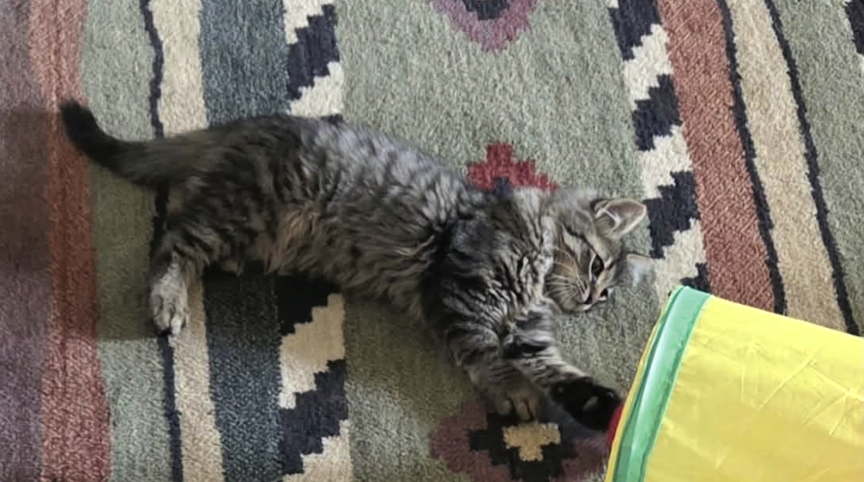
There is an effort to address an unwanted cat colony in Afton, with volunteers working to trap, spay or neuter and find homes for the cats before the population grows further.
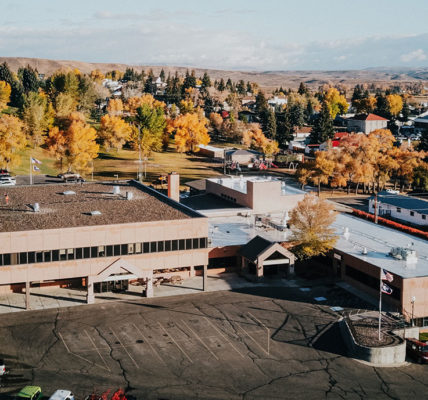
There are currently three cat colonies in the town of Afton, with the West Alley, behind Afton Town Hall, being addressed currently.
““So far, eight of the nine cats that we have captured have all been kittens from a single litter,” said Stephanie Wardle. “The kittens were approximately 12 weeks old when captured.”
Due to cats repopulating so quickly, having a group of them can lead to several dozen being born by the time winter comes.
“Cats can reproduce at four months,” she said. “So you take those eight kittens, if five of them are female, and they each get pregnant and produce five, we’ve got 25 more cats. Before Christmas.”
One of the cats that have been caught is around a year old and volunteers believe this could be the mother of the other kittens that have been caught. Volunteers are still trying to determine how many cats remain in the area, including through the possible use of a trail camera.
Another cat colony has also been identified behind the post office and a third near the car wash, although those cats appear to be separate from the group already being addressed.
With her passion for helping animals, Wardle has decided to work with volunteers and local animal groups to get the cats off the streets to benefit both the animal as well as business owners.
TNR, or the Trap, Neuter, Return program, is through PAWS of Jackson Hole. This organization helps keep cat and dog populations down by spay and neutering assistance as well as working with local vet clinics to provide the services needed to do this. The PAWS of Jackson Hole website state, “The goal is to enhance cat quality of life and minimize colony growth.”
PAWS of Jackson Hole has provided 12 vouchers for the effort so far. Wardle said she is also looking for donations to help with additional spay and neuter costs.
As soon as the Star Valley cats are caught, they are brought to Alpine for vet care, including spay+neuter, and vaccinations. Once they have been treated, they are either placed in a foster home or with the Lucky’s Place animal shelter.
Fosters are an important part of the process, and the rescue effort is actively looking for people willing to temporarily house cats and kittens.
“We are always looking for fosters,” she said. “And the shelter is too.”
Some of the foster families have ultimately decided to adopt the cats themselves.
Why feed the cat colony?
One point that has caused confusion among some community members is the continued feeding of the colony.
Wardle said feeding the cats is necessary because it helps volunteers establish a routine and successfully trap them.
“We have to continue to feed them because that’s the only way we can trap them,” she said.
She said the kittens being caught are not necessarily truly feral, but rather young cats that have had little or no human contact.
“They’re just baby kittens that have never been domesticated,” she said.
Once cats are caught, the goal is to move them through the veterinary and fostering process and ultimately into homes rather than leaving them on the streets.
Businesses in the area have also been asked to keep dumpsters closed. Wardle said she has been told businesses are doing so, which can help reduce the cats’ access to food and encourage them to rely on the controlled feeding process used to trap them.
Feral vs community cats
One point Wardle wants to bring awareness to is “There’s a real difference between feral and community cats.”
Feral cats are generally born outside without human contact, while community cats may have previously been owned pets that were lost, abandoned or dumped.
“There’s a big problem with people dumping cats in Lincoln County,” she said. “And especially Afton.”
She encouraged people who can no longer care for a cat or who suddenly find themselves with a litter of kittens to contact a shelter rather than abandoning the animals.
“I would definitely call the shelter first,” she said, noting that the shelter works with fosters who can take in mother cats and kittens.
Spaying and neutering pets can also help prevent unwanted litters and offers health and behavioral benefits, she said.
Volunteers ask that those with cats to bring them in at night, if possible, to help prevent them from being caught. Owners who are worried about their pets being trapped can provide a photo so volunteers can identify them.
Trapping will only continue above 32 degrees, due to the safety of the animals in the traps.
“We just don’t trap below 32 degrees,” she said. “Because they might not make it. Especially if they’re younger.”
For Wardle, the work can be frustrating, but seeing cats successfully placed in homes keeps her going.
“I believe all domesticated animals deserve a warm home and full belly.” she said.
Wardle stays in contact with many of the people who adopt cats and said seeing updates about the animals settling into their new homes is one of the most rewarding parts of the work.
“And just seeing the pictures that they send me after of how settled in the cat is,” she said. “And seeing that they have a good life.”
For Wardle, the effort is about more than simply removing cats from the streets. It is about preventing the colony from growing, giving the cats a chance at homes and encouraging the community to take steps to prevent future unwanted litters. With trapping continuing as weather permits, Wardle hopes the effort will continue to gain volunteers, fosters and support from the community.
For those interested in helping with these efforts, Wardle asks that you reach out via phone at 307-248-2728.