
Starting your backpacking journey can feel overwhelming. The vast wilderness areas, unpredictable mountain weather, and rugged terrain present unique challenges that catch many first-timers off guard.
Learning from common mistakes saves you time, money, and potentially dangerous situations on the trail. Whether you’re planning to explore the Wind River Range or venture into Idaho’s Sawtooth Mountains, avoiding these pitfalls will help you enjoy safer, more comfortable adventures in our spectacular region.
Choosing the Wrong Footwear
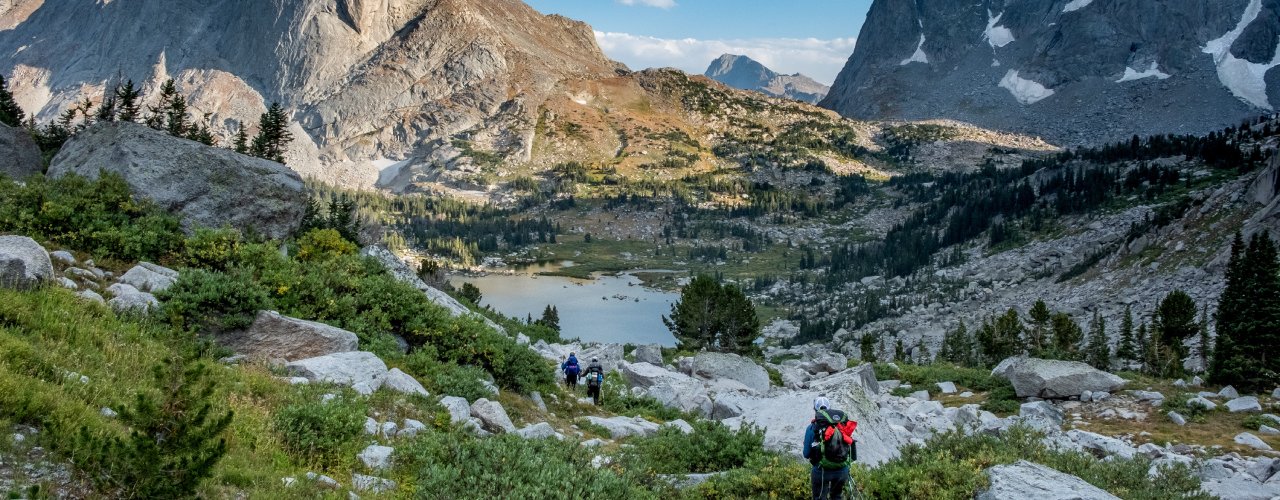
One of the most common backpacking mistakes beginners make is choosing the wrong shoes. Many people grab their favorite running shoes or old hiking boots without considering the specific demands of a rocky terrain. The granite slabs in the Wind Rivers and loose scree fields throughout the region require proper ankle support and aggressive tread patterns.
Depending on where you’re headed, selecting the right shoe for your next adventure requires a bit of forethought. At the very least, look for lightweight hiking boots with good ankle support and break them in thoroughly before your first overnight trip.
Pro Tip: Test your footwear on local trails, such as those around Jackson or Sun Valley. Your feet will thank you when you’re navigating boulder fields or crossing streams swollen with snowmelt.
Overpacking Your Backpack
First-time backpackers often bring everything they think they might need. That extra camp chair, multiple clothing options, and “just in case” gear quickly add up to a pack that weighs you down and kills your enjoyment.
Focus on the essentials: shelter, sleep system, food, water treatment, and navigation tools. Each item should serve multiple purposes when possible. For example, a bandana can work as a washcloth, first aid supply, and emergency signaling device.
Pro Tip: Aim for a base weight (excluding food, water, and fuel) under 20 pounds.
Ignoring Weather Patterns
Wyoming’s mountain weather changes rapidly, especially above treeline. With very little warning, morning sunshine can turn into afternoon thunderstorms. And then many beginners make the mistake of checking the forecast once and assuming conditions will remain stable.
Check multiple weather sources before your trip and monitor conditions daily. NOAA’s point forecasts provide detailed hourly predictions for specific locations. Download offline weather apps that work without cell service.
Pro Tip: Pack layers for all conditions. Even summer trips in the Tetons require warm layers for cold nights and potential snow at elevation. Always carry rain protection, regardless of the forecast.
Poor Water Planning
Dehydration happens quickly at higher altitudes, especially in Wyoming’s dry climate. Many beginner backpackers often make the mistake of either not carrying enough water or failing to plan reliable water sources along their route.
You should always carry at least one liter per person for short day hikes, and more for longer adventures. Research water sources along your planned route using current trip reports and topographic maps. And do not forget to bring backup purification methods; water filter tablets work when your pump filter clogs or breaks.
Starting Your Adventure Today
These mistakes happen to almost every new backpacker, but learning from others’ experiences helps you avoid the most common pitfalls. Start small with day hikes and car camping before attempting multi-day backpacking trips.
The wilderness areas of Wyoming and Idaho offer incredible experiences for those who come prepared. Take time to develop your skills gradually, and you’ll build confidence for bigger adventures ahead.