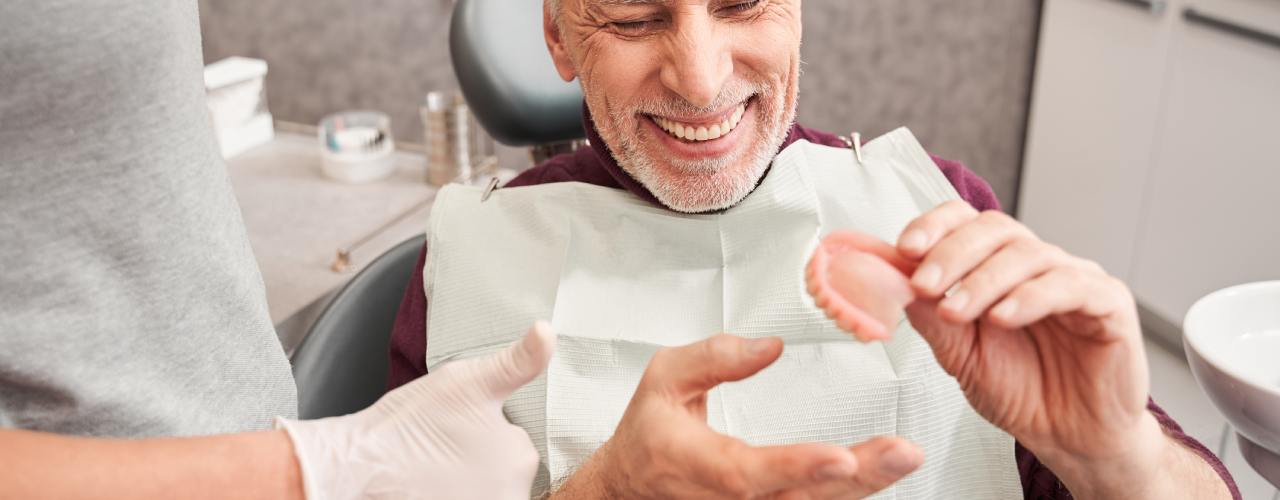

Dentures are a trusted solution for restoring smiles, improving chewing ability, and supporting facial structure after tooth loss. These custom-made replacements are essential for function and confidence.
However, they are not a permanent solution and will wear out over time. Understanding how long dentures last and what affects their durability is key to maintaining your oral health and comfort. Here’s a better look at what to know about the typical denture lifespan.
Factors That Influence Denture Lifespan
Several factors determine how long your dentures will last. The materials used in their creation play a significant role; high-quality acrylics and metals tend to be more durable than standard options. Your daily care routine also greatly affects their longevity.
Just like natural teeth, dentures require regular cleaning to remove plaque and food particles. Your overall oral hygiene, including your gum health, also affects how well your dentures fit and function over time. Personal habits, such as grinding your teeth or using them to open packages, accelerate wear and tear, shortening their lifespan.
The Average Lifespan of Dentures
On average, you’ll need to replace a full set of dentures every five to ten years. Over this period, you will likely notice signs of wear. The teeth may appear worn down, affecting your ability to chew properly.
The pink acrylic base can also fade or stain, and small cracks might appear. The fit of your dentures may change as the shape of your jaw and gums naturally evolves, leading to looseness or shifting while you speak or eat.
How To Extend the Life of Your Dentures
You can take several steps to extend the lifespan of your dentures. Proper cleaning is the most critical factor. You should brush your dentures daily with a soft-bristled brush and a non-abrasive denture cleanser.
Always handle them with care to avoid accidental drops, which can cause cracks or breaks. We recommend placing a folded towel on the counter or in the sink when you clean them. Regular dental check-ups are also vital. Your dentist can professionally clean your dentures, check their fit, and make any necessary adjustments to make sure they remain comfortable and functional.
Know When It’s Time for a Replacement
Recognizing when to replace your dentures is essential for your health. If your dentures no longer fit securely, cause discomfort, or create sore spots on your gums, it’s time for a new set. Visible damage, such as cracks, chips, or broken teeth, also signals the need for replacement.
You shouldn’t put off replacing your old dentures, as a poor fit can lead to difficulty eating and speaking, as well as other oral health problems. If you are unhappy with their appearance due to discoloration or wear, a new set can restore your confident smile.
Proper care is fundamental to maximizing the lifespan of your dentures. By maintaining a consistent cleaning routine, handling them carefully, and scheduling regular dental visits, you’ll keep them in good condition for years. It’s important to know the typical denture lifespan so that you can stay on top of it and protect your smile.