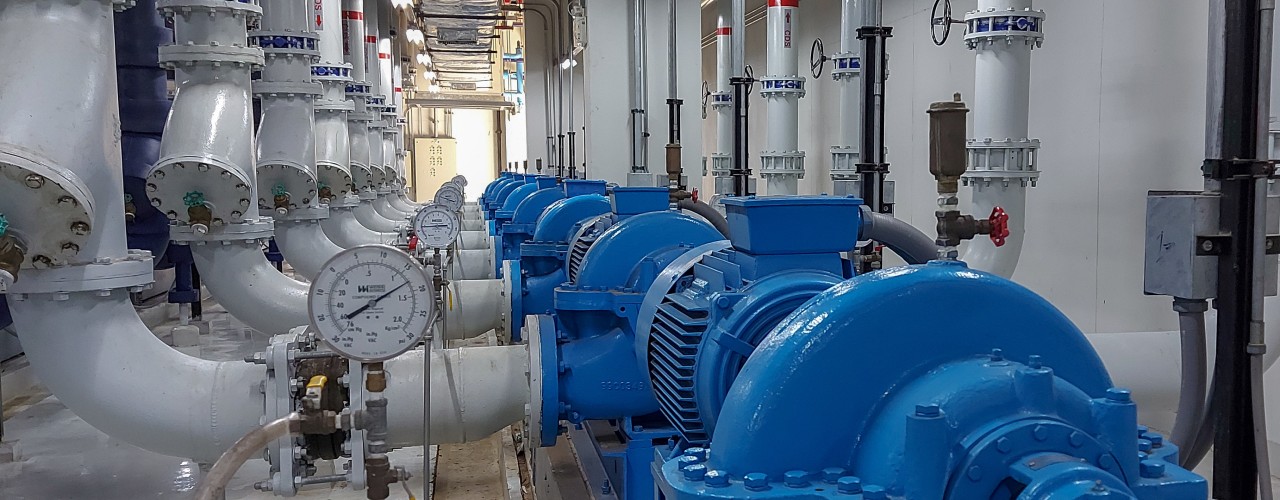

Pump rooms support critical operations, yet teams often overlook them until something breaks. Small mechanical changes typically initiate the failure process well before shutdowns occur. When operators ignore early warning signs, stress builds inside pumps, valves, and motors. That stress drives up repair costs, heightens safety concerns, and causes unexpected downtime.
Business owners who pay attention early protect equipment life and operating budgets. We’ve outlined signs of problems with your pump room equipment so you can recognize issues before damage spreads.
Strange or New Noises Indicate Internal Stress
Equipment generally communicates problems through unusual sounds. For example, grinding signals, bearing wear, rattling, and knocking indicate uneven material flow. Each noise reflects internal stress, reducing efficiency and reliability.
When teams dismiss these sounds without investigation, components continue to grind against each other, wearing out faster. Maintenance teams solve the issue by identifying the noise source early and restoring proper clearances, lubrication, or part condition before failure occurs.
Leaks, Dust, or Material Build-up Reveal Deeper Problems
Visible changes around equipment are another warning sign that your pump room equipment is in trouble. Seals wear down, gaskets fail, and internal clearances widen, allowing material or fluid to escape where it shouldn’t. These issues matter because leaks reduce efficiency, create safety hazards, and often signal internal wear. Dust or residue buildup also indicates performance issues that worsen when teams ignore them.
Dust or residue buildup also indicates performance issues that worsen when teams ignore them. Accumulated material can interfere with moving parts, restrict flow, and increase friction, placing additional strain on equipment and accelerating wear.
Unusual Vibration or Shaking Signals Wear
Vibration starts when components lose balance or alignment. Bearings wear down, shafts shift, or material build-up throws rotating parts off center. That imbalance transfers movement into surrounding equipment and mounting structures, creating stress that spreads beyond the original problem.
Vibrations from the machine are among the most common signs that a rotary valve is wearing out, and they often contribute directly to seal damage and leakage. Additionally,
vibration loosens bolts, damages seals, and accelerates part failure, ruining the entire system. Crews fix these issues by replacing worn seals, correcting alignment, and addressing the root cause before vibration leads to larger mechanical failures.
Inconsistent Performance or Output Disrupts Operations
Stable systems deliver predictable output. When flow rates fluctuate or pressure drops appear, internal components struggle to keep pace. Wear, blockages, or misalignment disrupt material flow and force equipment to compensate. That added strain accelerates wear and increases the risk of failure. Operators restore consistency by inspecting internal pathways, clearing obstructions, and recalibrating equipment to proper operating conditions.
Rising Maintenance, Energy Costs, or Downtime Signal Escalation
Costs rise when equipment works harder to overcome internal problems. Motors draw more power, maintenance teams respond more often, and unplanned downtime interrupts operations. These issues connect directly to earlier warning signs that teams ignored.
Business owners who track these trends can act before failures force emergency repairs. Proactive maintenance stabilizes costs, extends equipment life, and supports reliable operations.