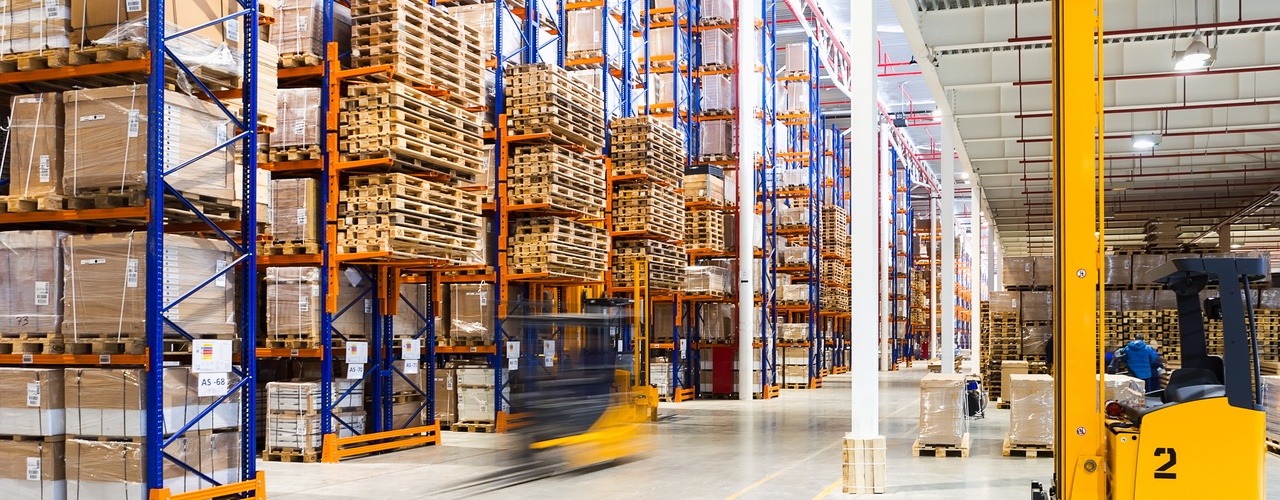

Warehouse loading areas play a major role in keeping equipment and goods moving on schedule. When too many forklifts, trucks, pallets, and workers crowd the same space, delays rise and safety risks increase.
For local businesses and distribution operations, forklift congestion can affect more than warehouse productivity. Slow loading areas can delay customer orders and create hazards for employees and visitors. Here’s how to minimize forklift congestion in and around warehouse loading areas.
Start With a Clear Traffic Plan
A warehouse loading area needs a simple traffic pattern that drivers can understand quickly. Managers should mark forklift lanes, pedestrian walkways, trailer zones, and staging areas with clear signs and floor markings.
One-way travel routes can reduce confusion near dock doors and trailer entrances. Separate entry and exit points also help forklift operators avoid tight turns and repeated backing.
Keep Staging Areas Organized
Congestion often starts when pallets sit too close to loading doors. Workers need enough room to inspect loads and move equipment without blocking active travel lanes.
Warehouse teams should assign specific spaces for inbound goods, outbound shipments, damaged items, and empty pallets. This approach keeps freight from spreading into forklift routes and helps crews find materials faster.
A practical loading area should include:
- Clearly marked forklift lanes
- Separate pedestrian paths
- Designated pallet staging zones
- Trailer waiting areas
- Visible stop signs and caution markings
Schedule Truck Arrivals More Carefully
Truck scheduling can create or solve loading area congestion. When several trailers arrive at once, forklifts compete for dock access, and workers may rush through important safety steps.
Businesses can reduce pressure by spacing delivery appointments throughout the day. Smaller facilities may also benefit from assigning specific time windows for vendors and outgoing shipments or transfers.
Match Equipment to the Loading Setup
The right equipment can reduce the amount of time forklifts spend near trailers and dock doors. Facilities that handle mixed freight, seasonal volume, or outdoor loading should review whether the current setup supports safe movement.
In some cases, businesses may need to compare portable or fixed yard ramps and docks to understand which option fits their loading needs. A well-matched setup can improve access, reduce bottlenecks, and limit unnecessary forklift travel.
Improve Visibility Around Busy Areas
Forklift operators need clear sightlines near dock doors, corners, and pedestrian crossings. Poor visibility can slow movement because operators must stop often to check for people or other vehicles.
Facilities can improve visibility with mirrors, lighting, warning signs, and clean sight corridors. Workers should avoid stacking freight near intersections or blocking views around trailer entrances.
Train Workers on Consistent Procedures
Good layout decisions only work when employees follow the same process. Training should cover forklift speed limits, right-of-way rules, horn use, trailer approach procedures, and pedestrian safety.
Supervisors should also review congestion issues during regular safety meetings. When workers report recurring choke points, managers can adjust routes or staging rules before problems grow.
Review Loading Area Performance Regularly
Warehouse needs change as order volume and delivery patterns shift. A layout that worked last year may no longer support current traffic levels.
Regular reviews help businesses spot problems before they affect safety or service. By tracking delays, near misses, blocked lanes, and dock wait times, managers can implement practical changes that reduce forklift congestion and keep loading areas safer and more efficient.