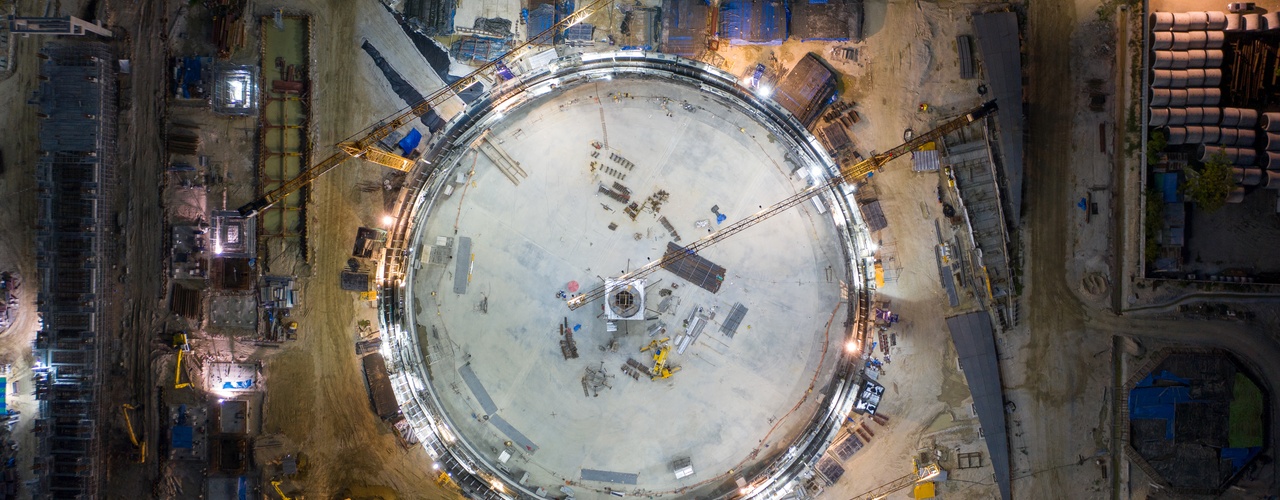

Temporary lighting helps construction crews work safely before permanent fixtures operate. Good lighting supports clear movement, accurate work, and safer equipment use across changing jobsite conditions.
Construction sites change quickly during each phase of work. Crews should plan lighting before work starts. Here are some temporary lighting safety tips for construction projects to get started.
Start With a Lighting Plan
A temporary lighting plan should match the work area and the task. General movement areas need steady visibility while detailed work needs stronger task lighting.
Site leaders should identify walkways, stair towers, entrances, storage areas, and equipment zones. Each area needs enough light for safe movement and clear hazard recognition.
Teams should also review OSHA lighting standards for industrial spaces when they need broader guidance on commercial and industrial spaces. Conducting a thorough review helps crews connect temporary lighting choices to accepted workplace safety practices.
Place Fixtures Where Hazards Appear
Crews should place lights to reduce shadows near uneven surfaces and active work zones. Shadows can hide various hazards and changes in floor level.
Lighting should cover ladders, scaffolds, ramps, trenches, and loading areas. These locations often create higher risk because workers move materials and tools through tight spaces.
Fixtures should not shine directly into workers’ eyes or equipment operators’ sightlines. Glare can reduce visibility and slow reaction time during critical tasks.
Protect Cords and Power Sources
Temporary lighting often relies on cords and portable power. Crews should route cords away from walkways whenever possible. When cords must cross travel paths, teams should use approved covers. Never run cords through standing water or pinch them under doors.
A daily check should cover these items:
- Damaged cords or exposed conductors
- Loose plugs or cracked housings
- Missing guards on bulbs
- Fixtures near wet areas
- Cords placed across access routes
Remove damaged lighting equipment from service at once. Quick action reduces shock risk and prevents small issues from becoming jobsite hazards.
Use the Right Lights for the Environment
Construction sites expose lighting equipment to dust, vibration, moisture, and impact. Crews should select fixtures rated for the conditions in each work area. Outdoor areas may need weather-resistant fixtures and protected connections.
Place guards around fixtures in high-traffic areas. Guards help prevent broken glass and reduce injury risk when materials strike a fixture.
Keep Emergency Routes Visible
Temporary lighting should support emergency exits and evacuation paths. Workers need clear routes during power loss, fire alarms, or severe weather. Stairwells and exit doors need consistent visibility. Site leaders should check these routes after layout changes and shift changes.
Backup lighting can support safer evacuation during outages. Test battery units and portable emergency lights on a set schedule.
Inspect Lighting Every Shift
A lighting setup that worked yesterday may fail today. Material deliveries, new construction, equipment moves, and weather can all affect visibility.
Supervisors should include temporary lighting in daily safety walks. Workers should report dark areas and glare before work continues.
Temporary lighting works best when teams treat it as an active safety system. Following these lighting safety tips for temporary construction helps crews reduce preventable hazards on every phase of the project.