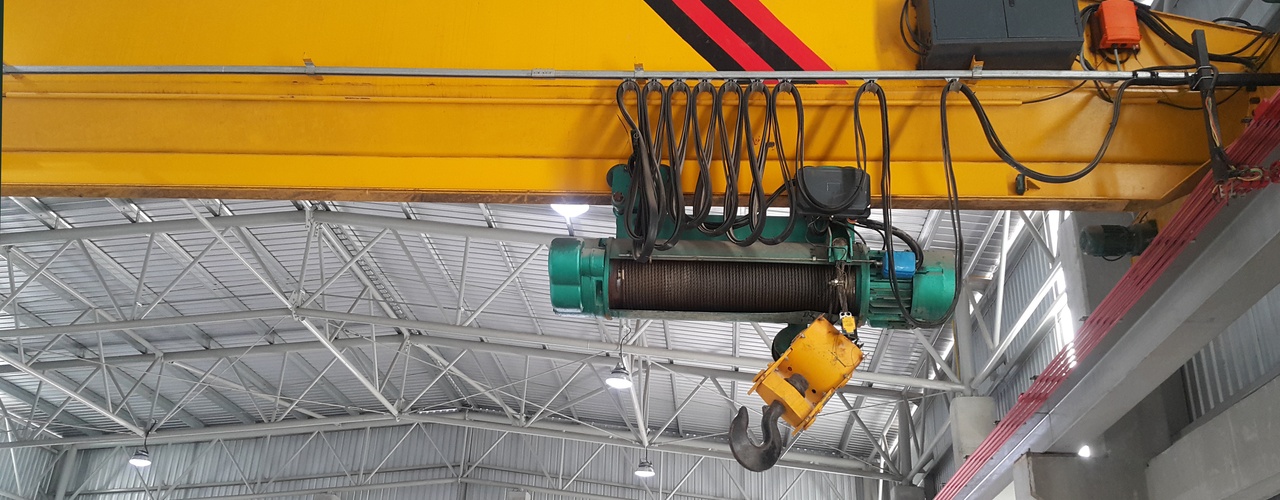

An overhead crane can handle demanding lifting tasks day after day, but dependable equipment still needs attention. Small changes in sound or movement can signal wear long before a crane fails. Catching those changes early can help your team avoid unexpected downtime and prevent minor problems from becoming expensive repairs.
Operators often know their equipment better than anyone else because they use it every shift. When a crane begins to feel different or respond more slowly, that change warrants attention. A quick inspection and timely service can protect productivity and help your team keep the crane operating as it should. Continue reading to discover the warning signs your overhead crane needs repairs.
Unusual Noises
A healthy overhead crane usually develops a familiar operating sound. New grinding or squealing noises can signal wear in moving components. Clicking and banging can also point to trouble.
Grinding may point to problems with wheels or bearings. Squealing can suggest excess friction or poor lubrication. Repeated clunks may mean a component has loosened or developed too much play.
Operators should never ignore a new sound just because the crane still lifts normally. Noise often provides an early warning before a mechanical problem affects movement. Stop and investigate any changes rather than waiting for the equipment to struggle under a load.
Jerky Travel
An overhead crane should move smoothly along its runway. If the bridge starts jerking or pulling unevenly, the travel system may need attention.
Worn wheels can create inconsistent movement. Problems with drives or motors can also affect how the bridge travels. Rail conditions deserve a close look as well because crane rail alignment impacts performance and can place additional stress on wheels and structural components.
Watch how the crane behaves in both directions. If it travels smoothly one way but struggles on the return, that pattern can help a technician narrow down the source of the problem.
Excessive Wheel Wear
Crane wheels endure repeated movement under heavy loads, so wear will develop over time. However, uneven or unusually rapid wear can signal a larger issue.
Look for worn flanges or flat spots on the wheel surface. Cracks also deserve immediate attention. Wheels that repeatedly rub against the rail can leave clear wear patterns.
Replacing a damaged wheel may solve the immediate problem, but you should also identify the cause of the wear. Misalignment or an uneven runway can damage the replacement if the underlying condition persists.
Hoist Trouble
The hoist performs some of the hardest work in an overhead crane system. Changes in lifting speed or load control deserve quick attention.
A hoist may begin to lift more slowly than usual or hesitate when an operator presses the control. You may also notice unusual noises during raising or lowering.
Inspect the wire rope or chain according to the equipment requirements. Look for visible wear or kinks that could affect reliable lifting. If the hook twists unexpectedly or shows visible damage, remove the crane from service until a qualified professional evaluates the problem.
Brake Problems
Brakes help the crane stop movement and hold loads in position. A brake problem can quickly turn a routine lift into a serious operating concern.
Pay attention when a load drifts after the operator releases the control. The bridge or trolley may also travel farther than expected before stopping.
These changes can point to worn brake components or adjustment problems. Operators shouldn’t compensate by changing how they handle the controls. A technician should inspect the braking system and correct the source.
Electrical Issues
Modern overhead cranes depend on electrical components for controls and motors. Sensors also support important operating functions. Electrical trouble can appear through inconsistent behavior.
A crane may stop unexpectedly or respond only after repeated control inputs. Lights may flicker on a pendant, or a wireless controller may lose its connection.
Electrical cabinets can also show signs of overheating. Unusual odors or visible discoloration around electrical components deserve immediate attention. Shut the equipment down and have a qualified technician inspect it rather than repeatedly resetting the system.
Slow Control Response
Operators rely on predictable controls. When the crane takes longer to respond, the delay can make positioning harder.
Pendant buttons can wear after repeated use. Wireless control systems can also develop communication problems or battery issues. Contactors and other internal components may contribute to slow response.
Compare the crane’s current behavior with its normal operation. A slight delay may feel small at first, but it can make precise lifting more difficult. Repairing the control problem early can restore predictable operation.
Load Drift
A suspended load should remain stable when the operator stops lifting or lowering. If the load slowly moves after the control returns to neutral, something needs attention.
Brake wear can create drift, but other hoist components may also contribute. Don’t treat the movement as a normal quirk, even when the load only drops a small distance.
Document when the drift occurs and how the crane behaves. Clear information can help a technician diagnose the problem more efficiently.
Visible Structural Damage
Operators should regularly look at the crane structure for changes. Cracks or bent components can signal stress that requires professional evaluation. Damage around welds deserves the same attention.
Pay close attention to areas around end trucks or runway components. Changes in these areas can affect how forces move through the crane.
Don’t attempt to straighten or modify structural components without guidance from a qualified professional. Improvised repairs can hide damage without correcting the real problem.
Leaks and Lubrication Problems
Some overhead crane systems use gearboxes and other components that rely on lubricants. Leaks can reduce lubrication and allow heat or friction to increase.
Look for oil around gearboxes or on surfaces below the crane. A recurring stain can help you locate a slow leak before the component loses too much lubricant.
Proper lubrication also helps wheels and bearings operate smoothly. Follow the manufacturer’s maintenance recommendations rather than adding lubricant whenever a component starts making noise.
Frequent Shutdowns
Occasional faults can happen, but repeated shutdowns usually point to a problem that needs investigation. Constantly resetting the crane can hide an issue while allowing wear to continue.
Record fault codes and note when each shutdown occurs. Pay attention to the load and operating conditions at the time. Those details can help maintenance teams identify a pattern.
A crane that needs frequent resets no longer gives your team dependable service. Addressing the cause can reduce disruptions and help prevent a larger failure.
Changes After a Repair
Repairs should restore normal operation. If a crane begins behaving differently after maintenance, pay attention to the change.
New vibration or uneven travel may indicate that a component needs adjustment. A different sound can also suggest that something doesn’t sit correctly.
Report the change to the technician who completed the work. Quick follow-up can catch a small installation or adjustment issue before it creates additional wear.
Act Before Downtime Grows
Overhead cranes often give operators warning signs before a major problem develops. New noises and rough movement deserve attention. Wheel wear and load drift deserve the same response. Slow controls can also signal developing trouble. The sooner your team responds, the easier it may become to correct the source before the crane loses valuable operating time.
Encourage operators to report changes instead of working around them. Keep inspection notes organized and schedule repairs when something falls outside normal operation. A consistent maintenance approach can help your crane deliver smoother performance and support the demanding work your facility depends on every day.