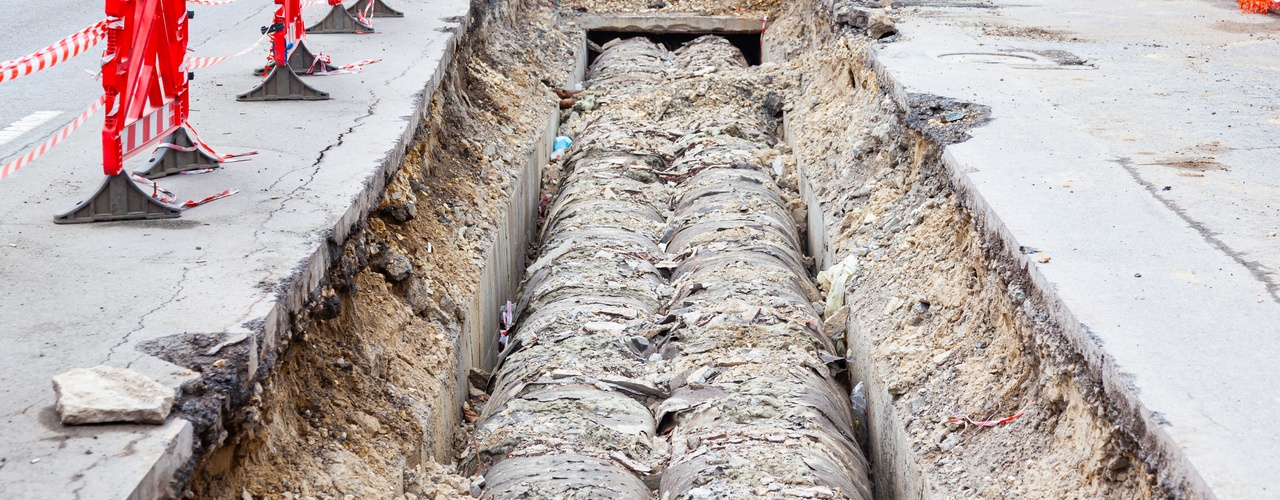

Water main work affects far more than just the section of pipe that’s under repair. It can disrupt daily routines, slow traffic, interrupt service, and put pressure on municipal staff who must answer questions while crews work in the field. Cities can’t remove every inconvenience, but they can reduce the impact when they plan around the people and systems that depend on the main. That kind of practical planning shapes how cities reduce disruptions during water main work.
Plan Around the Service Impact
Municipal teams need to understand who relies on the affected main before work begins. A repair near a hospital requires a different approach than work on a low-traffic residential street. The same applies to areas with schools or major employers that depend on steady water service during specific hours.
This review helps teams choose a smarter work window. Some projects make more sense overnight, while others need daytime access for inspection or safety. When cities match the schedule to the service area, they reduce avoidable frustration and limit the number of customers affected at once.
Keep Communication Clear and Consistent
Another way cities reduce disruptions during their work on water mains is through effective communication. That’s because both residents and businesses need notices that explain what will happen, when it may affect them, and who to contact with concerns. Vague updates often lead to more calls because people fill the gaps with assumptions.
Of course, internal communication matters just as much. Field crews and customer service staff should work from the same information during the project. When someone reports pressure changes or discolored water, staff can respond quickly instead of chasing details while the situation continues to unfold.
Use Isolation Methods That Limit Shutdowns
A large shutdown can create problems far beyond the repair area. Cities reduce that risk by isolating only the section that needs work whenever the system allows it. This takes accurate mapping and a clear understanding of valve condition before crews start.
For more complex projects, crews may use a line stopping procedure on large-diameter water mains to control flow while minimizing service interruptions. That method requires careful planning because the setup has to protect workers and maintain system stability. When it fits the project, it can keep more customers in service while crews complete the repair.
Manage the Street as Part of the Project
Water main work often affects traffic more than anything else. That’s why a detailed traffic plan needs to reflect how people actually use streets in the area, not just the specific area where the work is happening. Don’t forget about delivery access and pedestrian routes, as small conflicts can lead to unforeseen issues.
Restoration also shapes how people judge the work. A safe temporary patch and clean site access can show that the city has control of the project. When crews promptly restore the area, the public sees less disruption even after the underground work ends.