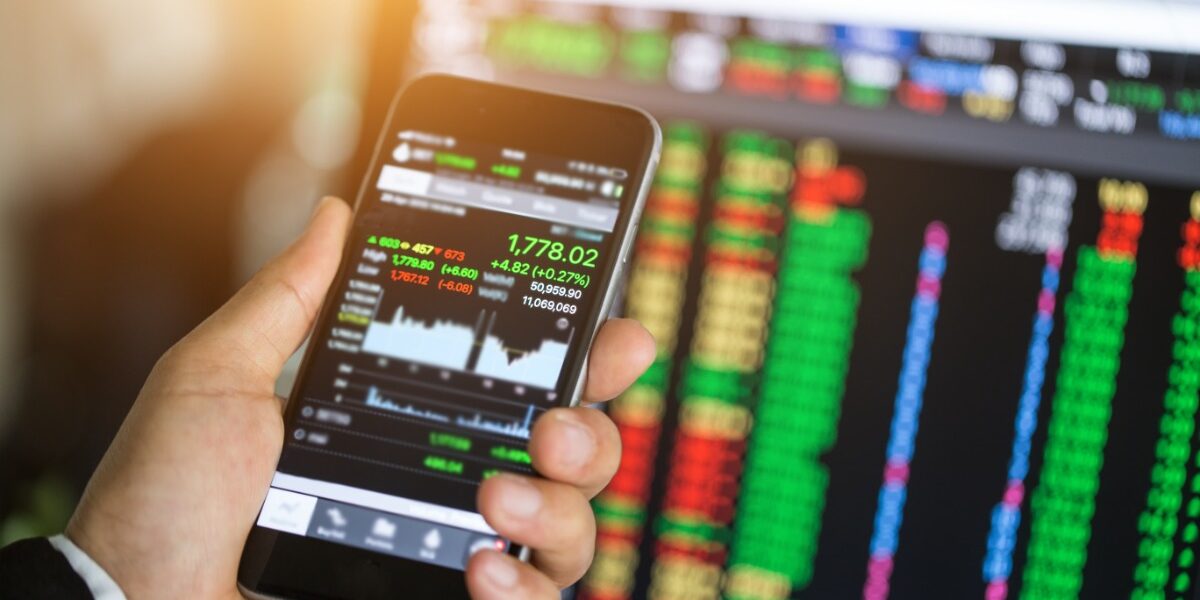

Online trading makes financial markets accessible from nearly anywhere with an internet connection. For residents of Western Wyoming and Eastern Idaho, that accessibility can make trading seem as straightforward as opening an account, funding it, and placing an order.
Before committing money to stocks, futures, options, currencies, or other markets, prospective traders must understand how the market works, how much risk they can accept, and how their trading tools operate. Below, we outline what you need before getting into online trading.
Understand What You Are Trading
Different financial markets operate under different rules. Buying shares of a company differs substantially from trading futures contracts, options, or foreign currencies. Each market has its own terminology, pricing conventions, trading hours, fees, volatility patterns, and risk characteristics.
Futures contracts, for example, allow participants to gain exposure to assets such as agricultural commodities, metals, energy products, currencies, and stock indexes. Because futures use margin and leverage, relatively small price movements can produce significant changes in an account’s value. Anyone considering leveraged products should understand contract specifications, margin requirements, expiration dates, and potential losses before placing a trade.
Learn How Orders Work
A trading platform provides several ways to enter and exit positions. Market orders generally prioritize execution, while limit orders allow traders to specify an acceptable price. Stop orders can trigger when the market reaches a certain level. Each order type serves a different purpose, and market conditions can affect the eventual execution price.
Traders should know how these orders behave before using real money. Entering the wrong order type, choosing the wrong contract, or misunderstanding an order’s duration can turn a minor mistake into an expensive one.
Decide How Much Money You Can Risk
An important thing you need to know before getting into online trading is how much you can safely risk. Trading capital should remain separate from money for essential expenses. Mortgage or rent payments, groceries, medical expenses, emergency savings, taxes, and other necessities should take priority over money for speculative activity.
This distinction matters because all trading involves the possibility of loss. Even a well-researched decision can move against the trader. Financial pressure can also interfere with decision-making. Someone who needs a trade to produce immediate income may find it harder to exit a losing position or follow predetermined risk limits.
Establish Limits Before Trading
Traders must decide how much they can lose on an individual position and how much total loss they can tolerate during a particular period. One of the most common pitfalls to avoid when trading futures is carrying too big a position with too little capital. Setting those limits in advance removes some of the emotion from decisions made while prices move quickly.
Risk management becomes especially important in leveraged markets. A trader should understand the potential loss associated with a position rather than focusing exclusively on potential profit.
Choose a Trading Platform Carefully
A trading platform serves as the primary connection between a trader and the market. Features vary considerably among platforms, so prospective traders should compare more than appearance or convenience.
Useful considerations include order-entry tools, charting capabilities, available markets, data quality, mobile access, account reporting, security features, customer support, and platform reliability. Traders who plan to use advanced order types or analyze short-term price movements may require different functionality than someone who makes a small number of longer-term trades.
Understand the Costs
Trading expenses extend beyond whether a broker advertises a low commission. Depending on the market and service, costs can include commissions, exchange fees, regulatory fees, market-data subscriptions, platform charges, and the difference between bid and ask prices.
Small costs can become significant for someone who trades frequently. A trader should review the complete fee structure before opening an account and consider how transaction costs could affect the results of a particular approach.
Build a Trading Plan Before Placing Orders
A trading plan establishes rules for deciding when to enter, manage, and exit positions. Without those rules, rapidly changing prices can encourage traders to make decisions based on excitement, fear, or recent market movements.
A useful plan defines which markets a trader will follow, what conditions justify entering a position, how to determine position size, where to limit losses, and what conditions will trigger an exit. The plan should also identify situations in which the trader will remain out of the market.
Develop a Reliable Research Routine
Trading requires a method for sorting useful information from noise. Financial markets generate a constant stream of headlines, commentary, forecasts, charts, economic reports, and social media discussion. Consuming more information does not necessarily produce better decisions.
Traders can instead establish a consistent research routine. Depending on the market, that could involve reviewing scheduled economic releases, checking relevant company announcements, examining price trends, monitoring volume, or following supply-and-demand developments. Someone trading agricultural futures, for instance, may pay attention to crop conditions and government reports, while an equity trader may focus more closely on earnings and company news.
Check Sources Before Acting
Social media has made trading opinions easier to distribute, but popularity does not establish credibility. Traders should distinguish between independently verifiable information and unsupported predictions.
Claims about guaranteed returns, secret systems, or unusually high profits deserve skepticism. Before acting on information, traders should consider who produced it, whether supporting evidence exists, and whether the source has a financial incentive for the recommendation.
Prepare Your Technology
Online trading depends on technology, which introduces practical risks beyond market movements. A frozen application, failed internet connection, forgotten password, or device problem can become serious when a position requires immediate attention.
Before trading live, users should understand how to access their accounts from an alternative device, how to contact their broker, and what options exist if the primary platform becomes unavailable. Strong passwords, multifactor authentication, updated software, and secure networks also help reduce account-security risks.
Practice Before Committing Real Money
Many platforms provide simulated or demonstration trading. These tools allow prospective traders to become familiar with order entry, charts, market movement, and platform controls without placing real funds at risk.
Simulation has limits because virtual losses do not create the same emotional pressure as actual losses. Still, practice can expose basic problems with a trading approach.
Treat Recordkeeping as Part of Trading
Keeping accurate records helps traders evaluate what they are doing rather than relying on memory. A trading journal can document the reason for entering a position, the planned risk, the exit decision, the result, and any mistakes made during the process.
These records can reveal patterns over time. A trader may discover that certain setups perform poorly, that transaction costs reduce returns, or that decisions deteriorate during volatile periods.
Preparation Matters More Than Speed
The ability to open an online trading account quickly should not dictate how quickly someone begins trading. Markets will continue to present opportunities, while capital lost through preventable mistakes can be difficult to replace.
Successful preparation requires patience, education, realistic expectations, dependable technology, and clear risk controls. Learning how markets and trading tools function before putting money at risk gives prospective traders a stronger foundation for making deliberate decisions.