
In 2026, investors and policymakers have launched a new phase of investment and experimentation in Wyoming’s coal industry. Federal funding now supports projects exploring new uses for coal, and state programs are channeling resources into rare earth development and energy infrastructure.
For communities tied to mining, what this new investment in Wyoming coal means is more than simply increasing the tons leaving the Powder River Basin. The bigger question is whether these projects can build durable markets around a resource Wyoming has produced for generations.
Federal Money Is Reaching Coal-Based Projects
One of the largest recent announcements came when the U.S. Department of Energy awarded $75 million across five projects designed to recover rare earth elements and critical materials from coal-based feedstocks. Peabody Energy received support for a Wyoming project connected to its Powder River Basin operations.
The funding signals a new approach to coal. Instead of viewing every ton strictly as fuel for a power plant, researchers and companies now examine whether coal and its byproducts contain valuable materials for other industries. If these projects succeed at commercial scale, Wyoming mines could eventually supply multiple markets.
Wyoming Is Putting State Money Behind the Idea
Wyoming has increased its own financial support. In February, the Wyoming Energy Authority awarded Peabody $6.25 million for a pilot facility that will produce rare earth concentrate from unconventional deposits in the Powder River Basin. The state aims for the project to establish a domestic source of critical minerals.
The Legislature also created the Wyoming Rare Earths Fund during its 2026 session. The program offers up to $16 million in matching grants for commercial projects focused on processing and separating rare earth resources found in Wyoming.
Rare Earths Are Becoming Part of the Coal Story
Rare earth development now sits closer to the center of Wyoming’s coal conversation. These materials play important roles in defense systems, electronics, transportation, and advanced manufacturing. Wyoming officials view local resources as one way to strengthen domestic supply.
Researchers at the University of Wyoming have also studied rare earth enrichment in Powder River Basin coal. In March, the School of Energy Resources announced research examining why certain rare earth elements occur in those coal deposits. That work supplies companies and policymakers with more information as they plan future projects.
The Research Still Has to Become a Business
Promising geology alone cannot create a commercial industry. Companies must develop practical processing methods and secure buyers willing to pay enough for the final material. Investors also monitor operating costs closely.
Those questions explain why current funding supports so many pilot facilities and demonstration projects. The industry continues to test what works outside the laboratory.
Coal-to-Products Research Is Moving Forward
Rare earths represent only one part of Wyoming’s effort to find additional uses for coal. The University of Wyoming School of Energy Resources is also developing a coal-to-products field demonstration plant at the Wyoming Innovation Center near Gillette. The project explores ways to turn Wyoming coal into higher-value materials instead of relying entirely on combustion.
University researchers have identified potential uses for coal-derived products in building materials and other manufactured goods. They plan to work on another portion of the demonstration plant later in 2026.
These projects offer the state another possible path forward. Instead of asking whether traditional coal demand will return to earlier levels, researchers now explore whether Wyoming coal can serve profitable uses that did not previously exist at commercial scale.
New Projects Still Depend on Mining Fundamentals
High-tech processing does not eliminate the physical realities of mining. Any expansion still starts when crews move material from the ground and keep equipment productive.
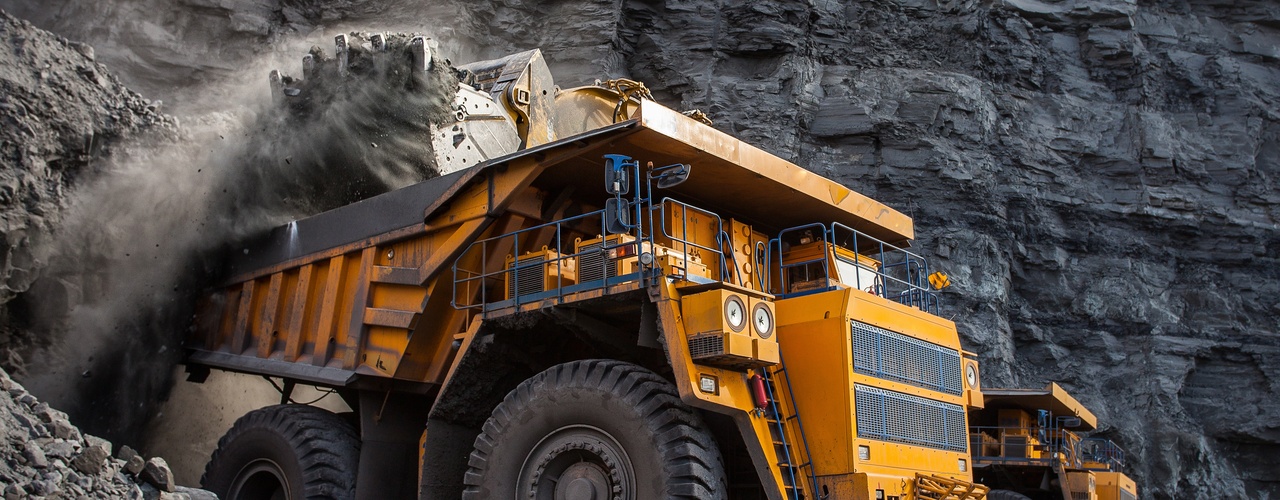
Mining teams working in difficult formations use appropriate techniques and tools to excavate rock when conditions demand it. Ground conditions shape equipment choices and job planning long before coal or related materials reach a processing facility. If commercial projects grow, traditional mining experience will continue to form part of the workforce and infrastructure behind them.
New State Funds Broaden the Investment Push
Wyoming also created the Energy Dominance Fund during the 2026 legislative session. The program accepts projects involving coal and other major energy resources, along with infrastructure and critical-mineral development.
Taken together, recent programs reveal several areas Wyoming officials aim to support:
- New commercial uses for coal
- Rare earth processing in Wyoming
- Energy infrastructure tied to existing industries
- Pilot projects that attract outside capital
- Technologies that extend the value of Wyoming resources
Federal Leasing Rules Are Changing Too
Investment is arriving alongside policy changes affecting federal coal. Federal legislation enacted in July 2025 made roughly 13.1 million acres of federal mineral estate available for coal leasing nationwide. The law also lowered the federal coal royalty rate from 12.5% to 7%.
Those changes lower some barriers for coal development, but access to additional reserves does not guarantee companies will bid for them. Recent reports from Wyoming highlight uncertainty over whether producers expect enough long-term demand to justify new federal leases. Policy may make expansion easier on paper, but market conditions still determine whether companies invest their own money.
Royalty Changes Also Affect State Revenue
Wyoming lawmakers have raised another issue around the lower royalty rate. A 2026 legislative resolution estimated that the coal royalty reduction would cut Wyoming’s share of federal mineral royalties by about $50 million annually through 2034. Those revenues help support public services across the state.
Readers following coal investment should therefore watch both sides of the equation. New development may stimulate economic activity, while changes in royalty policy influence how much revenue reaches state government.
Local Communities Will Watch for Lasting Results
For readers in western Wyoming and eastern Idaho, announcements from Gillette or the Powder River Basin may seem distant. However, these broader effects still impact communities across the region through employment and the wider energy economy.
The next few years should show which projects move beyond research. Watch for pilot facilities that expand into commercial operations, and pay attention when companies commit significant private capital after public funding ends.
Following what this new investment means for Wyoming coal now requires looking beyond traditional production numbers. Rare earth projects and coal-to-products research are bringing fresh public money into the industry, while federal policy has become more supportive of coal development.